
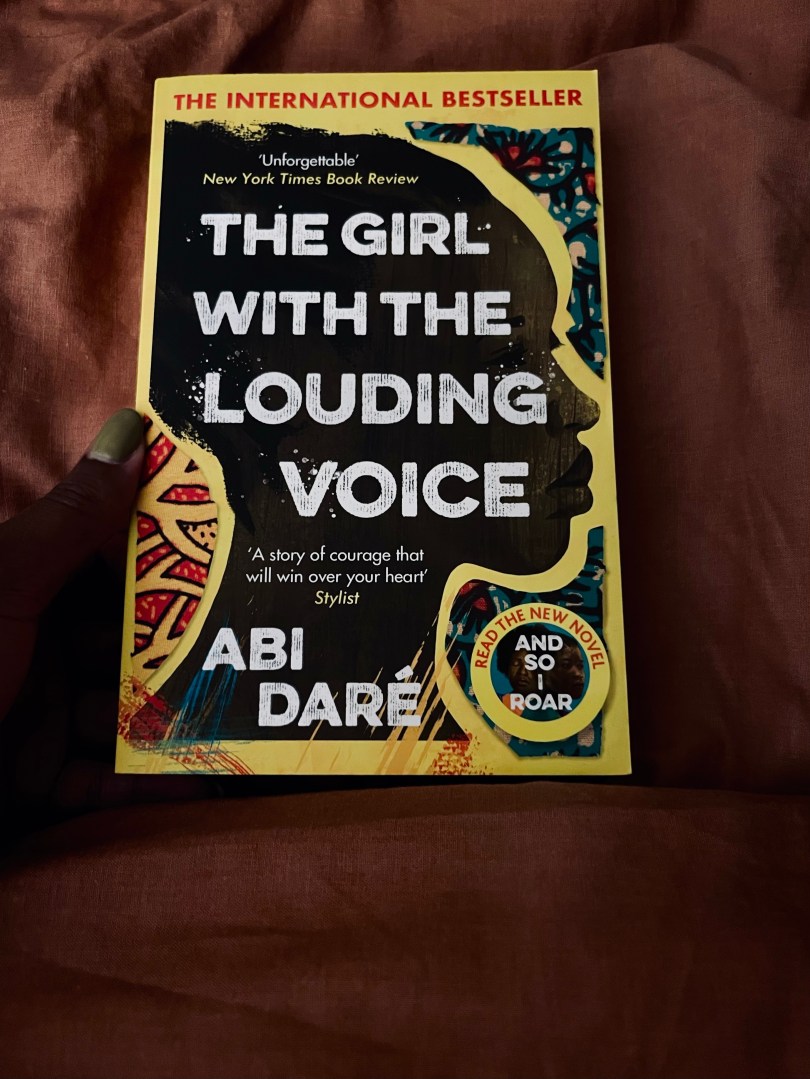
Things just kept getting worser and worser with each page I turned in this read, the sheer volume of violence and injustice both overwhelming and infuriating. Which is why I could barely put it down and sometimes spent an extra two or three hours reading before bed, I was captivated by Adunni and Daré’s literary presentation of life in rural and urban Nigeria in the early 2010s.
I had heard much about the protagonist, Adunni before even opening this book from friends and people I go to the same internet with, mostly because of how she speaks. Daré makes the deliberate decision to write Adunni’s thoughts, fears and hopes in the broken English of a 14-year-old who didn’t quite finish school, which is true to the character and adds so much honesty to her story. The “nonstandard English” spoken by Adunni was less confusing than expected and often times more descriptive to me of the situations she found herself in, phrases like “the sky have eat up the morning sun” to describe an overcast sky, and “cold is spreading rashes all over my body” to describe goosebumps, provide such clear imagery. I think for me, the language alone was the thing that allowed me to be steeped in Adunni’s innocence and fostered an intimacy that kept me ‘on side’ no matter how bad things got for her.
Adunni’s tale is coloured by various indignities, violations and brazen injustice. The thing that keeps readers afloat is her determination to somehow overcome those odds. I usually hate an ‘against all odds’ narratives, in which wave after wave of evil is meant to simply be thwarted by sheer resilience, but Adunni’s character implores you to stay with her through all of it. She is fuelled by the prospect of different outcomes, which keeps your hope alive as well, despite the deep poverty, child marriage, domestic violence and slavery of it all.
The chapters are short but jam-packed, which makes for a fast-paced, page-turning adventure. Daré has written some of the most endearing and repulsive characters, people like Big Madam and Morufu filled me with unspeakable rage. While their context and complex backgrounds are unpacked and do shed light on why they are the way they are, it’s a cold comfort when the object of their frustration and abuse of power is a little girl.
From about halfway through, I appreciated and even looked forward to the foreshadowing at the start of chapters, provided by whatever fact was quoted from ‘The Book of Nigerian Facts’. I like my fictional reads injected with some historical tidbits that feed my insatiable need to know things. The facts about Nigeria were fascinating and sobering, for example:
“Fact: Child marriage was made illegal in 2003 by the Nigerian government. Yet, an estimated 17% of girls in the country, particularly in the northern region of Nigeria, are married before the age of 15.” – page 194/Chapter 35
I was looking forward to finding out some more of these revelatory facts in the book once I purchased a copy, only to find it was a fictional book used for the purposes of the narrative in the pages of this novel 😦 There is, however, a Nigerian Facts Book published in 2022, which I imagine aims to do the job of the book Adunni uses to learn about her country and her life really.
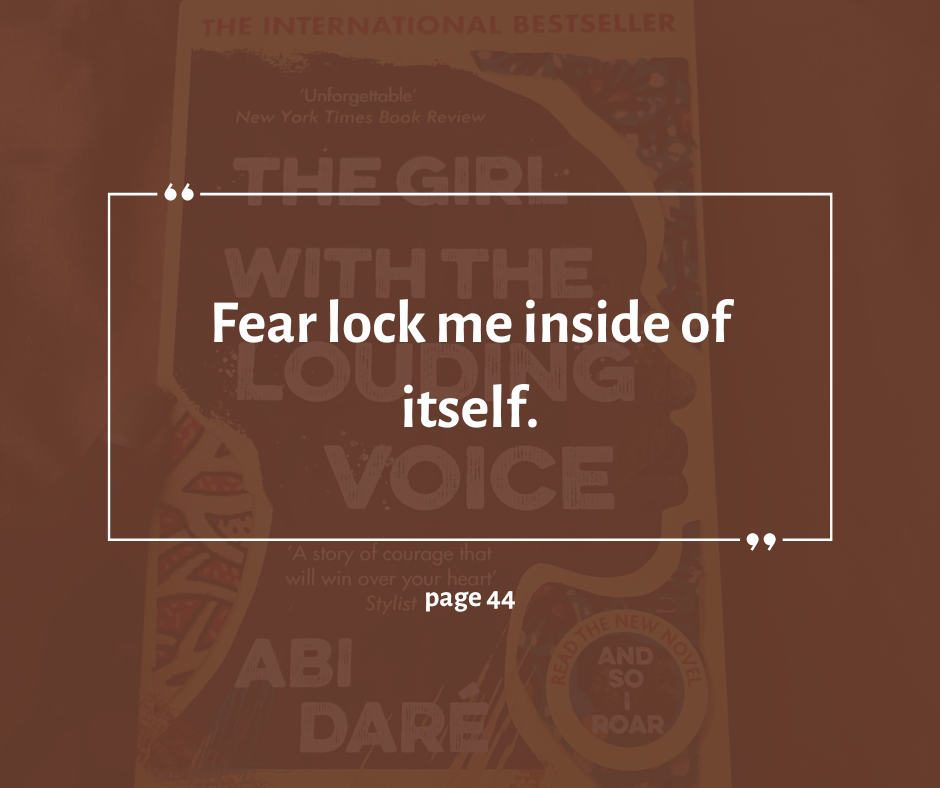
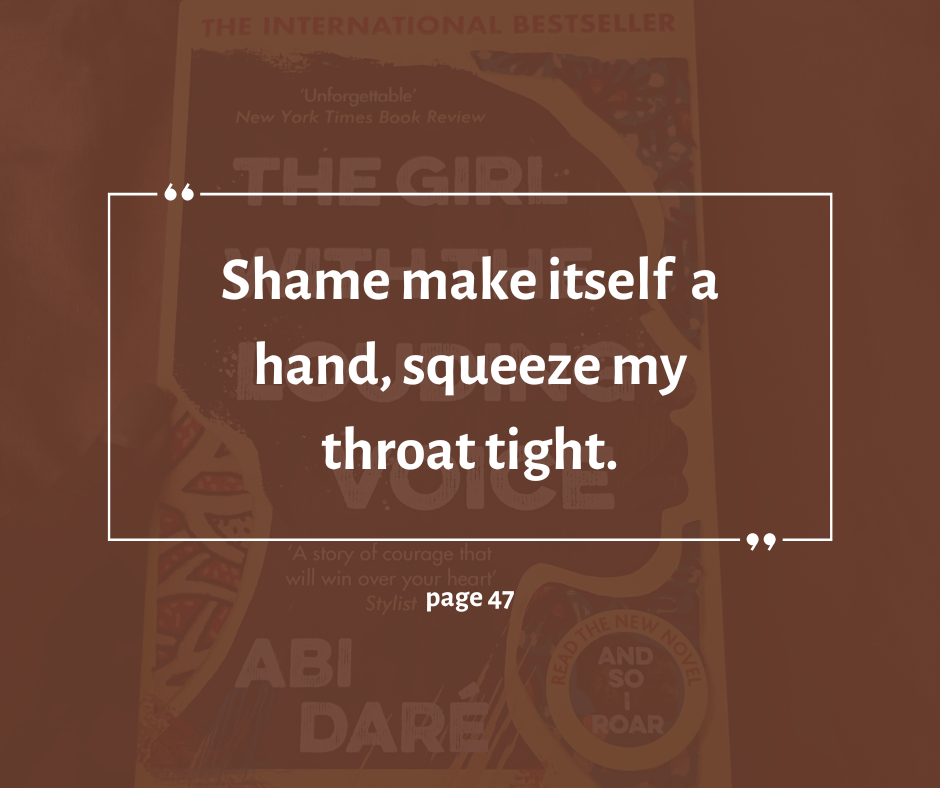
In short, it’s a harrowing but highly entertaining read, filled with twists and turns that will still your sensibilities. I will probably never read it again because of how much trauma lives in it’s pages but I would recommend it. Best bits below.



 Write. Snap. Click.