Journalism and Media Studies Lecturer at Wits University. Master of Arts in Digital Documentary from the University of Sussex. A former journalist at eNCA, Reuters, AFP and The Citizen.
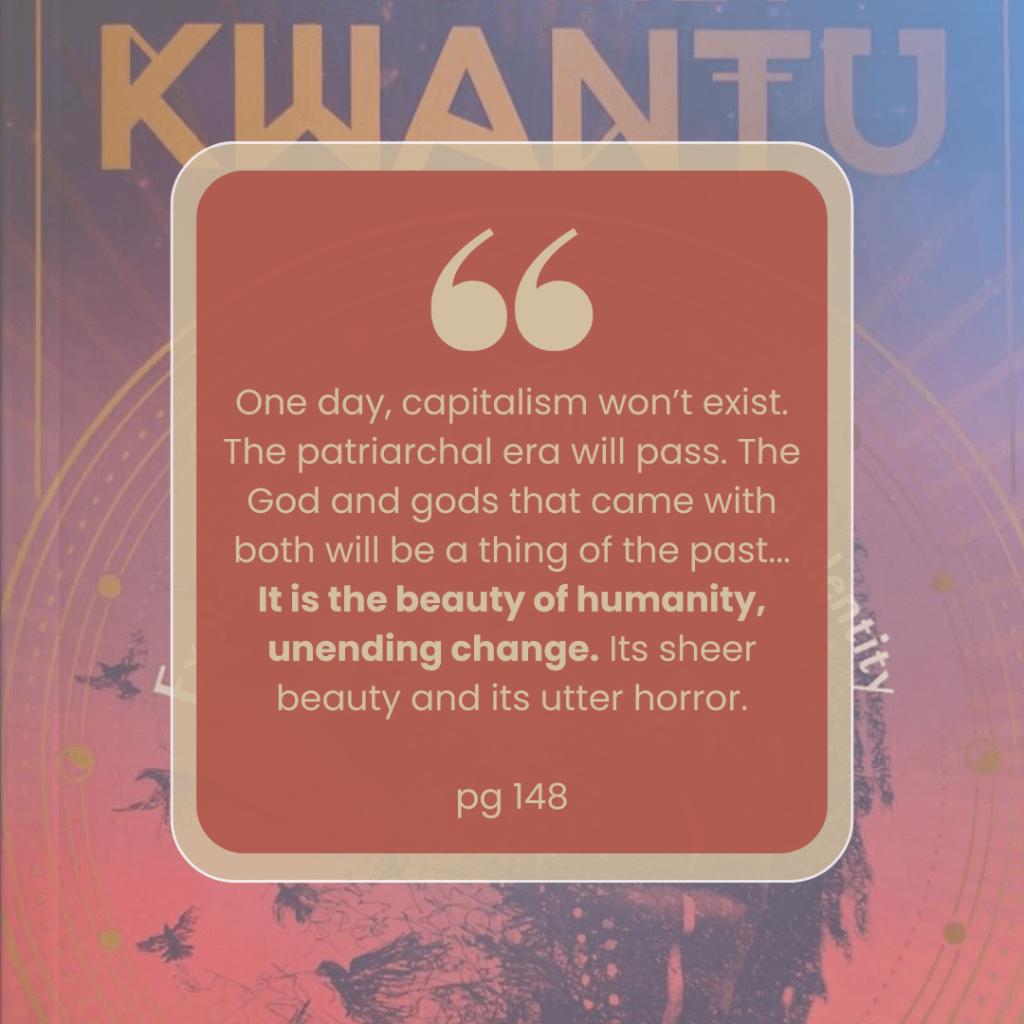
Finished reading this about a week ago, but the lessons and revelations have stayed with me, interrupting my train of thought several times a day, in an effort to grapple with its many inconvenient and reality-shifting truths.
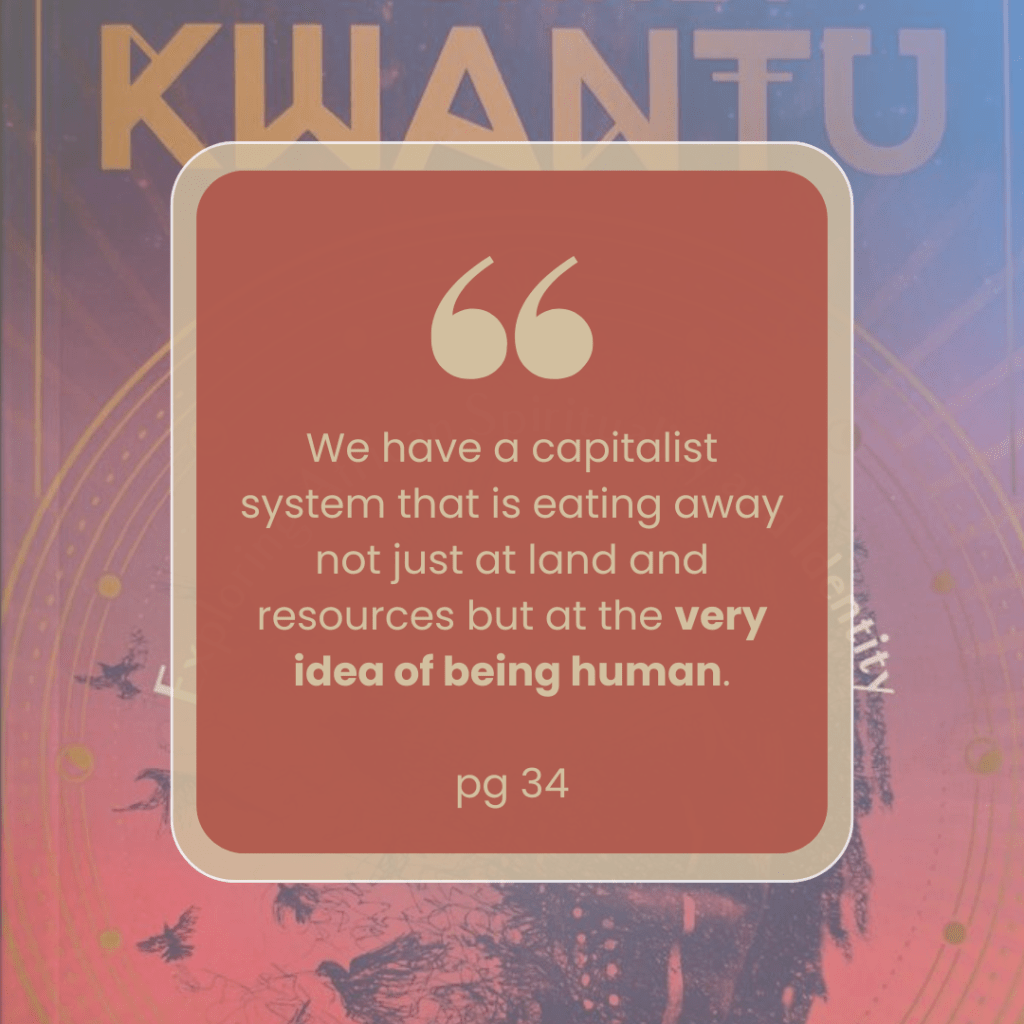
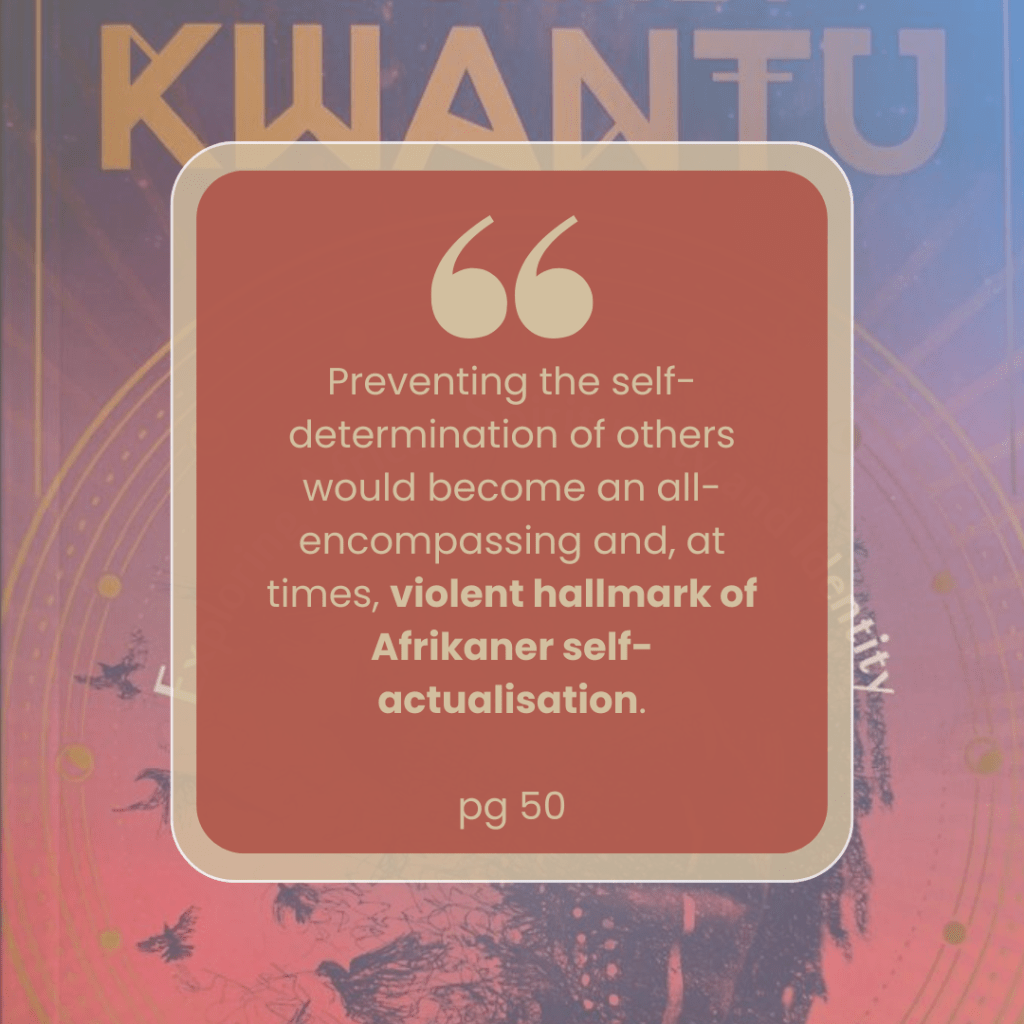
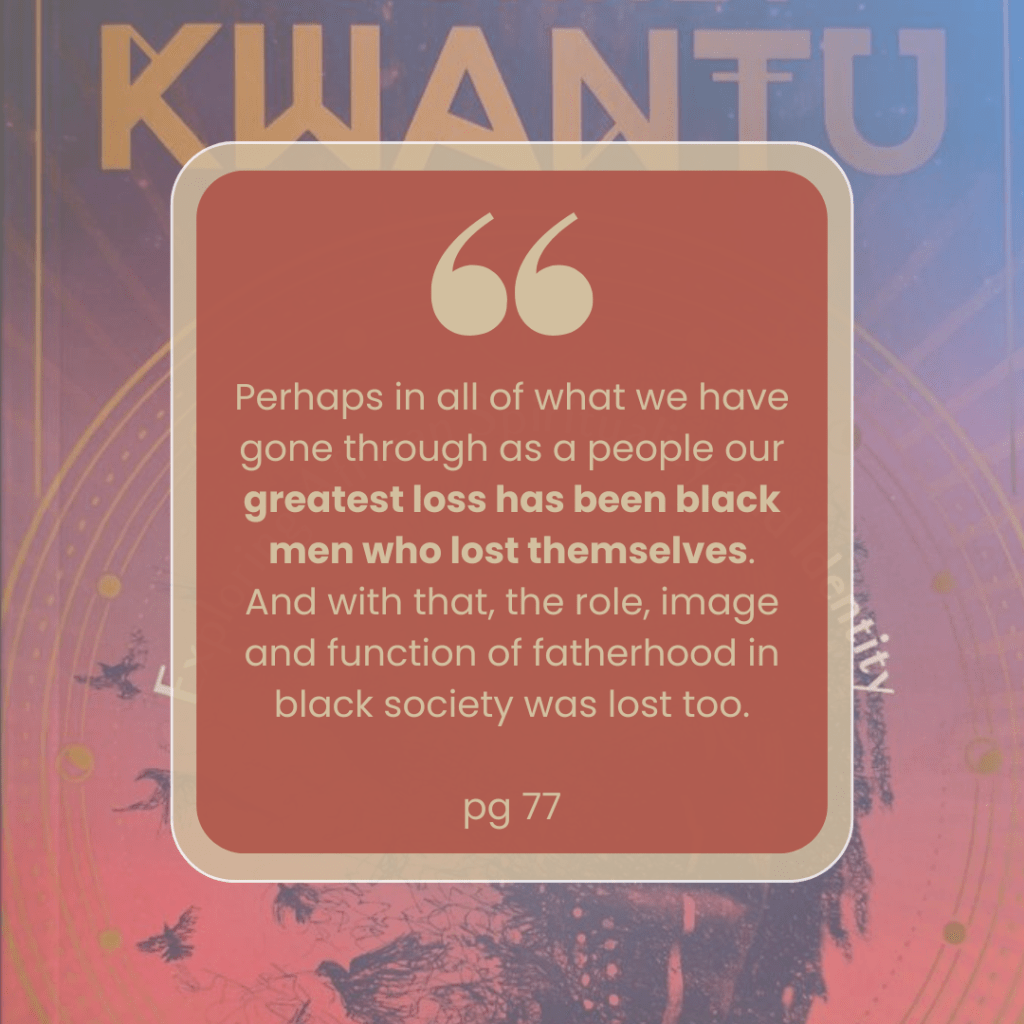
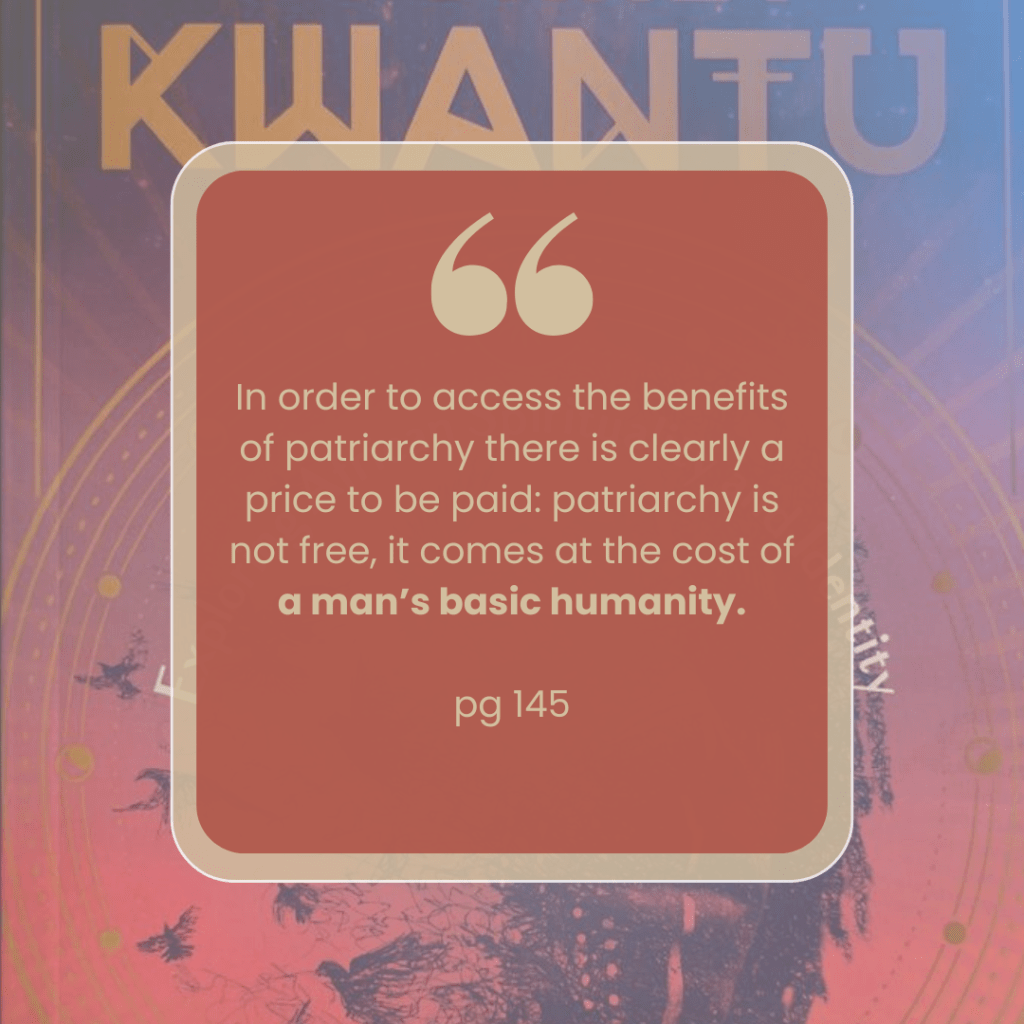
It’s an essential read which uses the author’s personal journey with African spirituality to tell a nuanced and well researched story that contends with mythology, history and anthropology. In so doing, it presents possibilities that challenge readers’ perceptions and beliefs.
There are many things I am still in disbelief over, like cows being one of the reasons matriarchies came to an end on the continent; cotton being one of the true assimilatory tools of colonialism and the knowledge of family lineages being lost to the (in)convenient surname system. I am forever indebted to the author for this expansive work.
I know I will have to revisit it and look forward to that occasion. Listening to the podcast series the book is based on is my next mission, and from the snippets I have heard so far, I am in for a treat.
When the news broke that D’Angelo had passed earlier this week, one of the first reactions I came across online read: Mind you, I thought I would’ve had a first dance to “Nothing Even Matters” by now! (a post by @yasistatorrian). To which I replied, “Oh girl, same”. The deluge of grief and love for D’Angelo that filled my timeline and inboxes this week has felt like a communal catharsis. The sadness of the loss was overridden by the reminder of his deep love of self and the other.
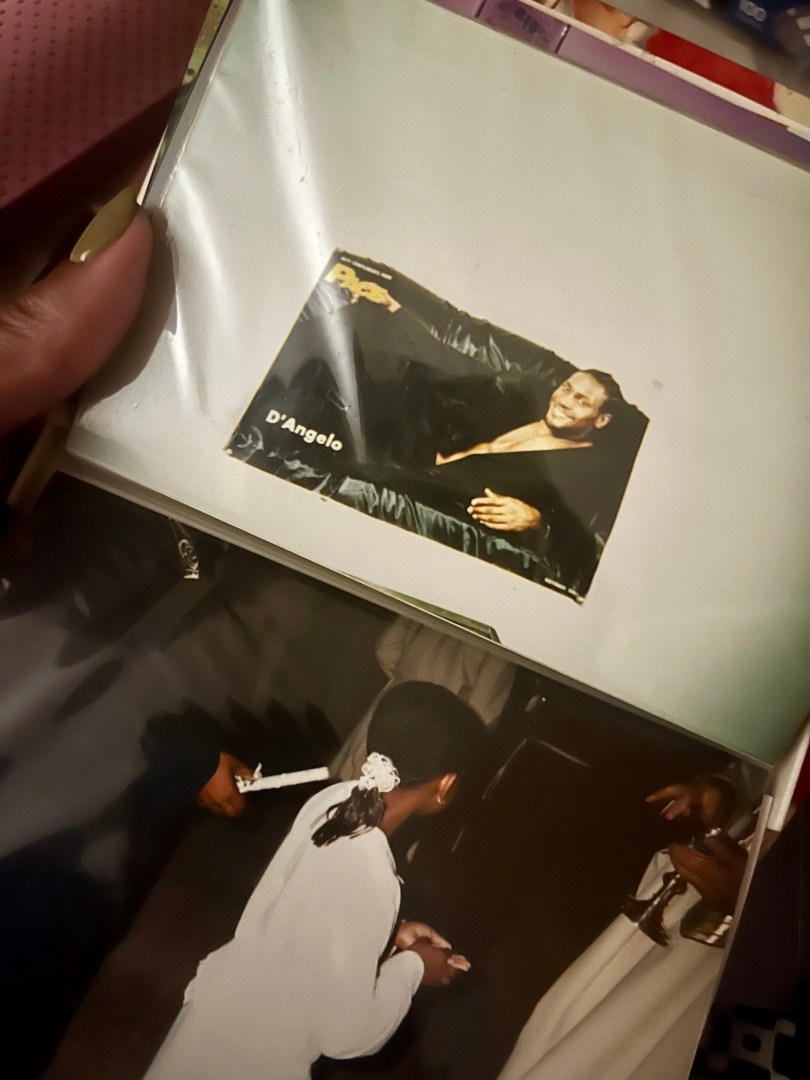
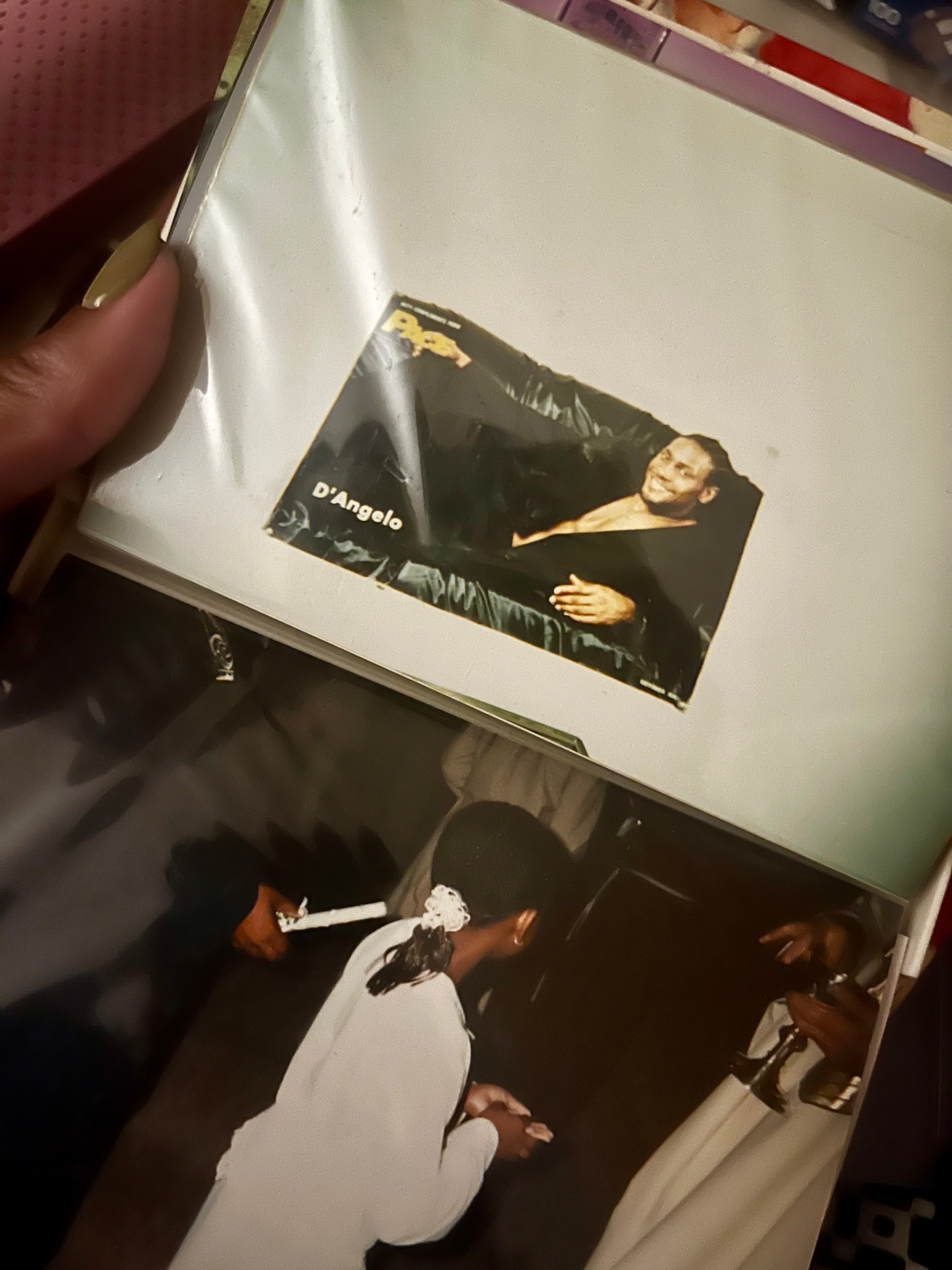
Like millions across the world, my first encounter with D’Angelo and his work, was through Untitled (How Does it Feel). I was very young, too young to understand the lyrics, but seeing the music video on a late-night music show on SABC 1 stayed etched in my mind. Some months later, a performance of “Send it On” and “Sex Machine” with Tom Jones on VH1, prompted me to rip the below poster from the middle of a magazine, risking judgment from my Catholic parents, sticking it front and centre on my candy white bedroom wall. At just 9, turning 10, I still didn’t grasp what the man was saying, but my ears and eyes were in agreement about his sonorous and physical beauty.
So taken was I, that I even took a photo with my film camera of said poster. Unironically sandwiched between photos of my first holy communion, which took place in the same year Voodoo was released.
The music itself was dripfed to me in the years that followed during our weekly Saturday morning and afternoon spring cleans. My brother hogged the CD player, blasting Brown Sugar and Voodoo back to back. The VH1 live performance would also join the loop, it had been recorded via our VHS machine. We actually watched a lot of live music that way, as a family over the years, now that I recall. It was only when I got my own CD player in high school, that I could start listening to and reading through lyrics on the album sleeve of Voodoo that I began to hear beyond the melodies I had grown an affinity for over the years. Finally, stretching my understanding past just “di D’Angelo” (the South African reference for his undeniable Adonis belt), into the depths of his music. For the first time, I heard what yearning sounded like from the mouth of a black man and not the page of a Jane Austen novel. I heard what sounded like the celebration and reverence of black love, a welcome intervention for a black girl who was one of only 6 in her grade, listening to Avril Lavigne and reading Saltwater Girl (quite seriously at that).
“[He] made a kind of sound that made a house for black folks to live in. Under the sound of D’Angelo’s music, our bodies would wake up to who we have been… He made the ancestral close and intimate and sexy.”
By the time the masterpiece that is Black Messiah came out, I was a long-skirt-All-Star-wearing-Africa-tattooed-dreadlocked-girl, in no need of saving. When it came out, I promptly bought two CD’s, one for myself and one for my brother, so we would need not fight for or ration out our repeated listenings. Three short months after it came out, Kendrick Lamar’s To Pimp a Butterfly came out, and that perfect pairing of love, politics, history and torment would be the soundtrack to my long car rides between Johannesburg and Pretoria that year.
We are bereft but blessed to have lived in the same time as him, to still have access to his work and thus pieces of his heart and mind.
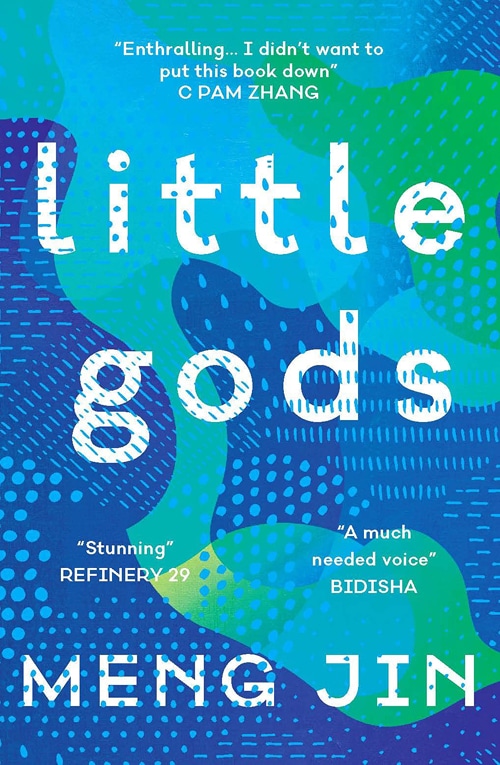
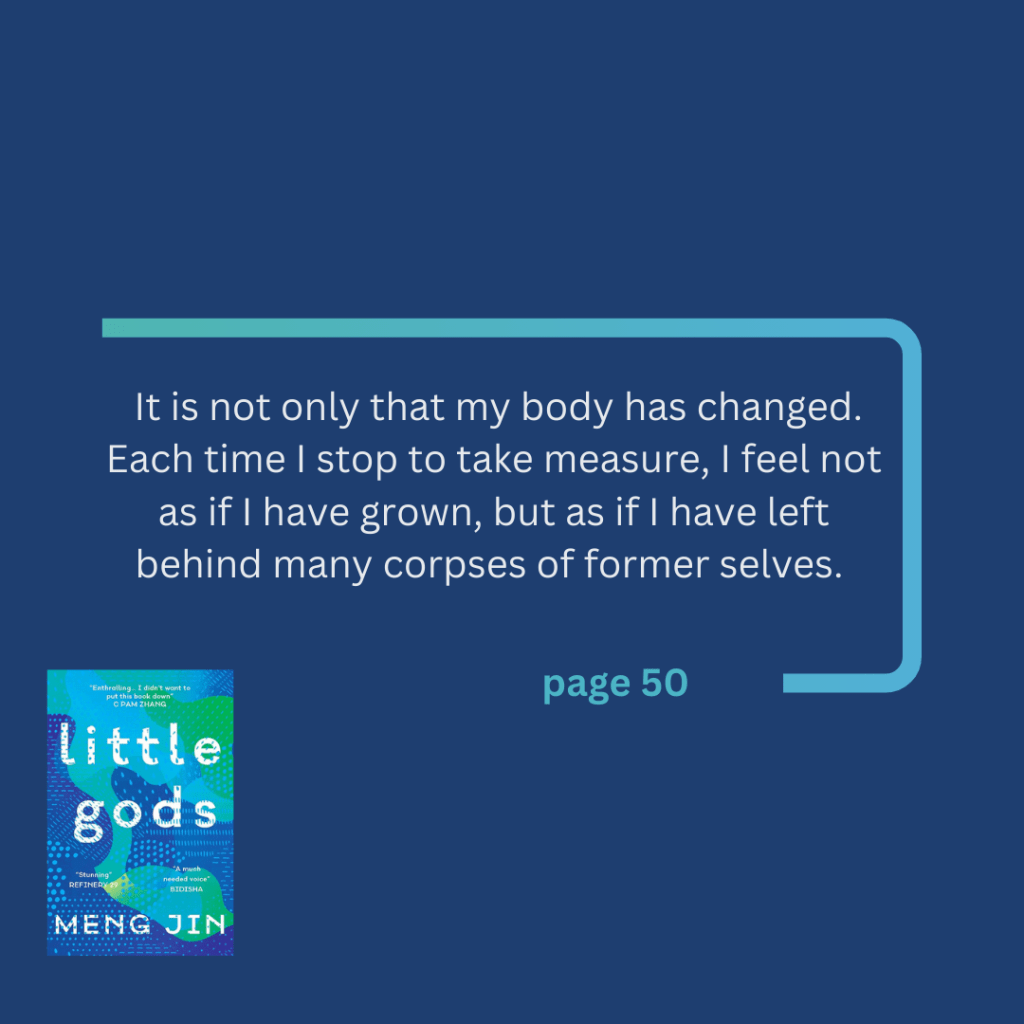
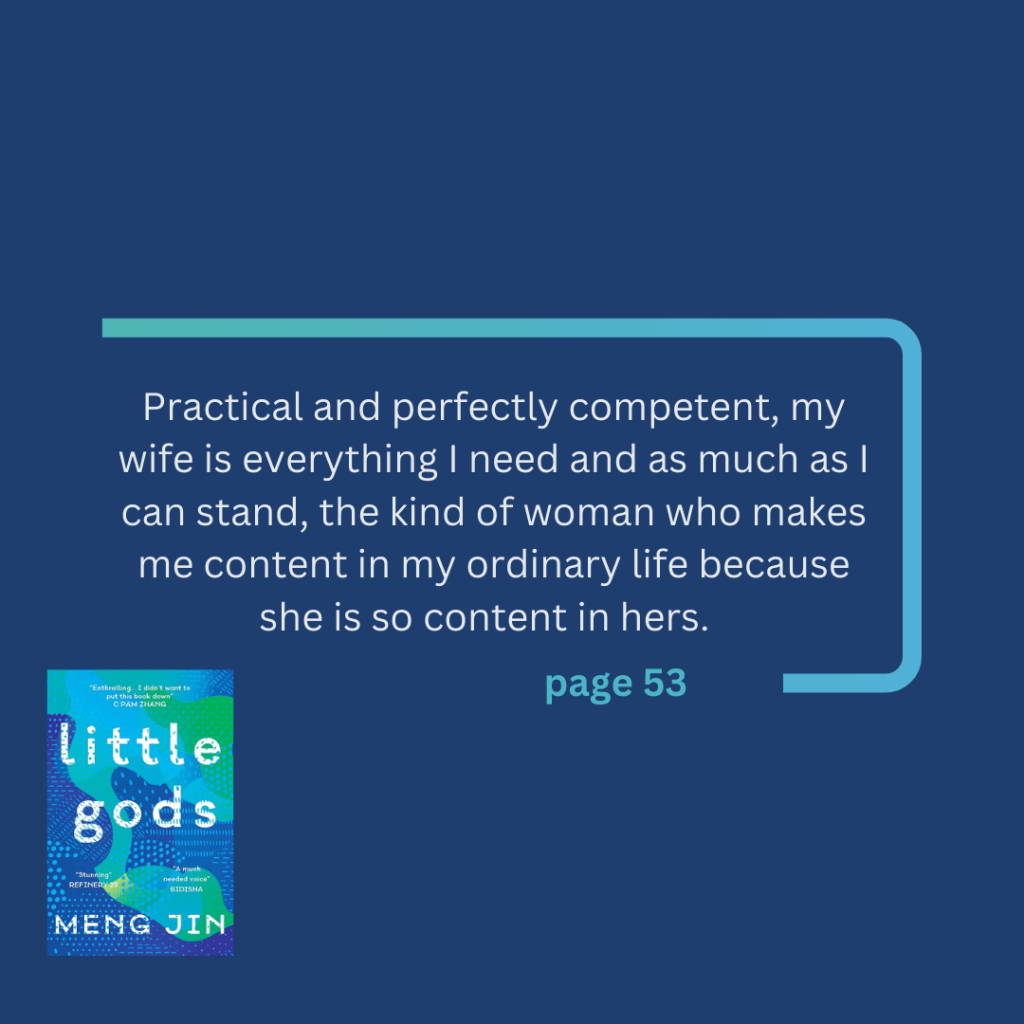
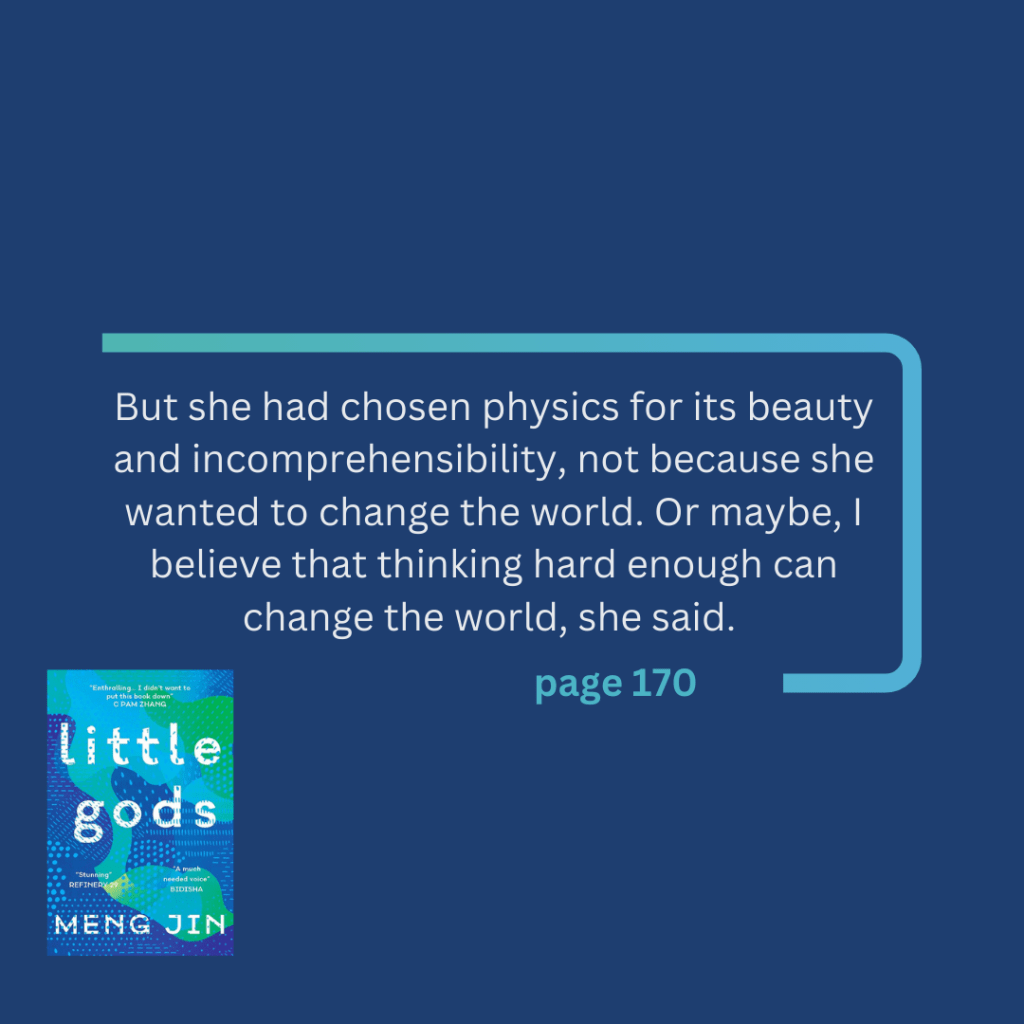
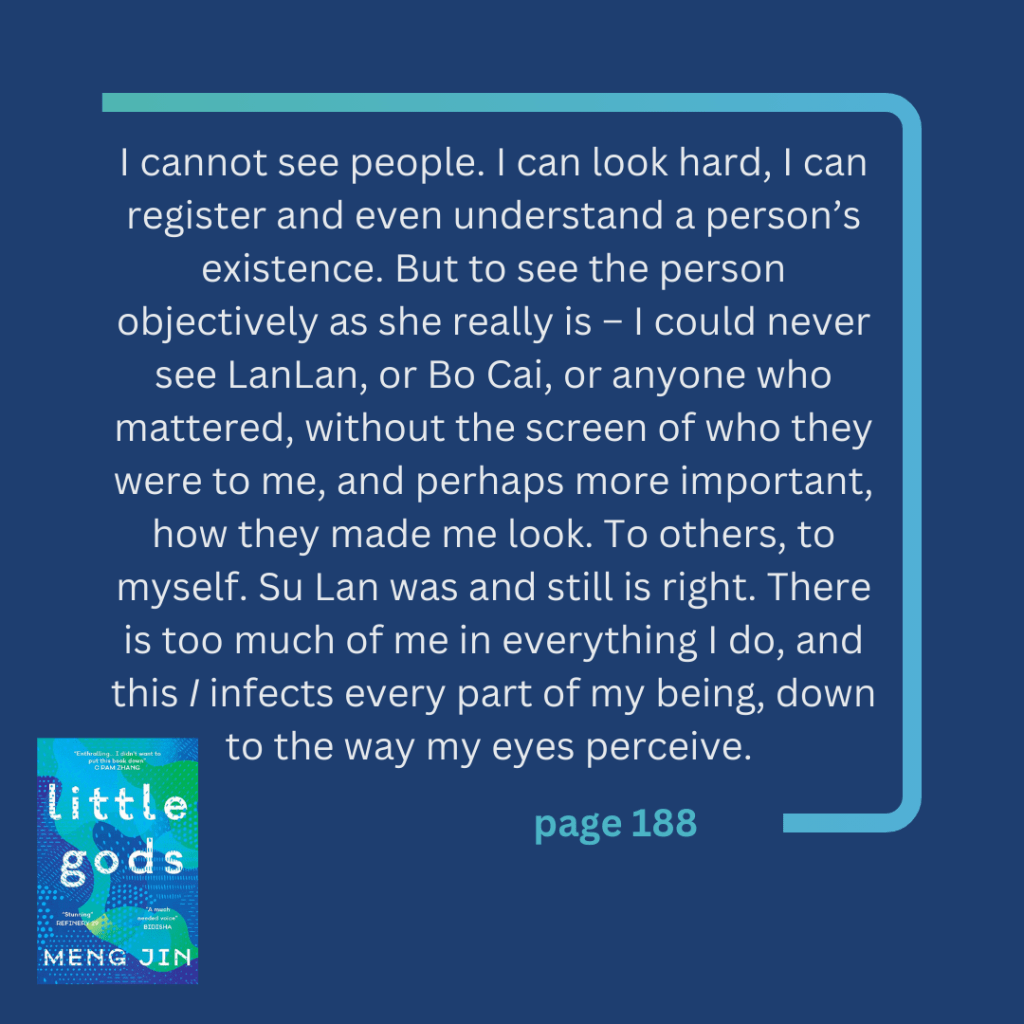
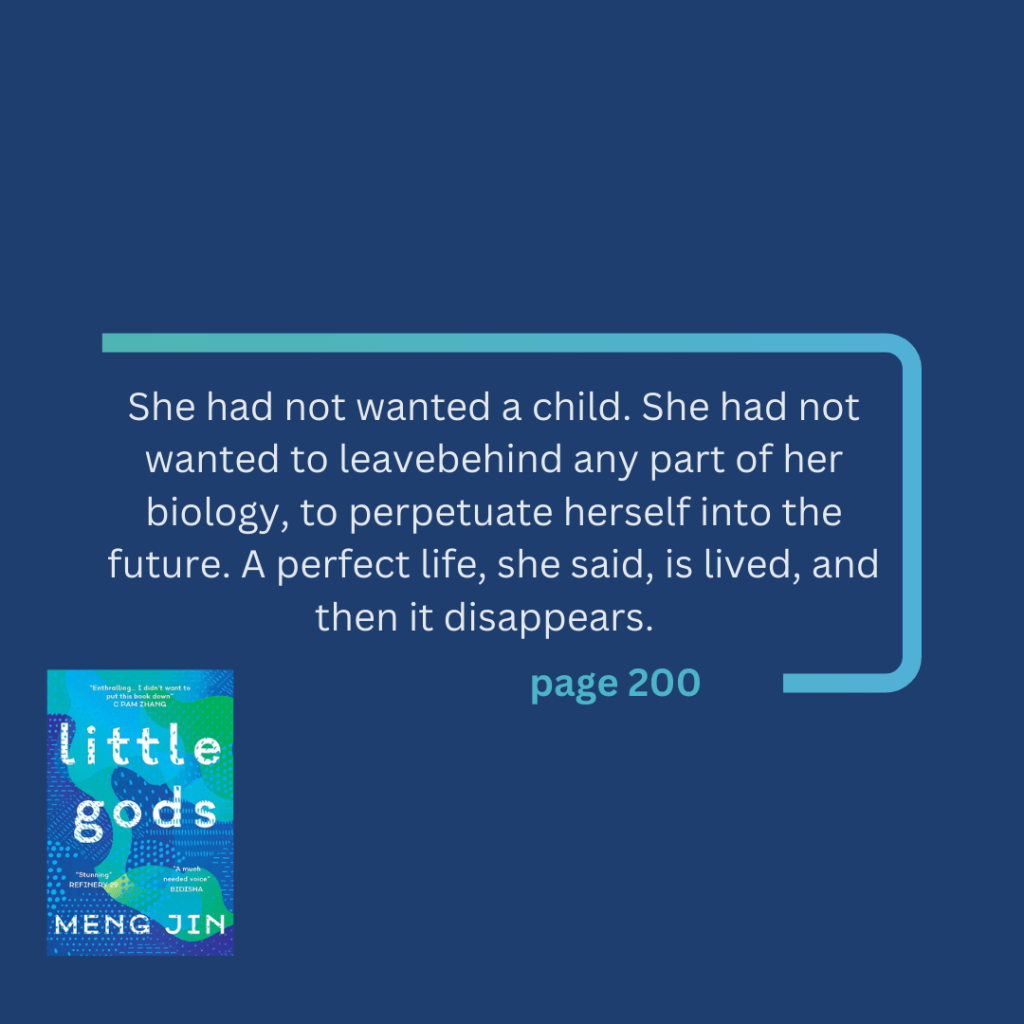
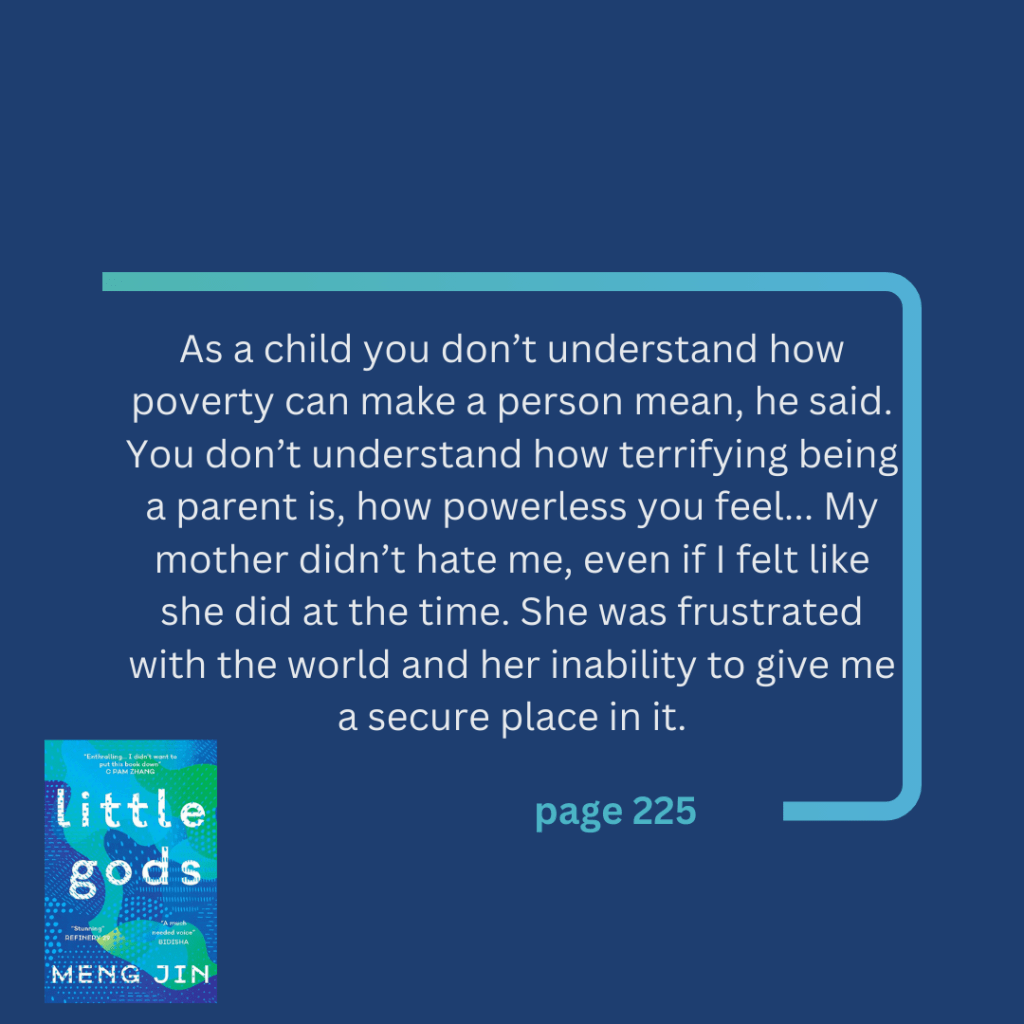
It is the kind of novel that doesn’t let up from the moment you start. Every sentence dripping with intellect, emotion and beautiful imagery. Jin is such an incredible writer and world builder, thoroughly enjoyed my time with her complex and complicated characters.
I would describe little gods as historical fiction that is a clever marriage of science and spirituality. The characters are frustrating yet inspiring and force you to constantly question who you are rooting for. Even the most minor characters we only engage with over a few passages are written in such great detail that an affinity is immediately fostered.
There were so many sentences that took my breath away, I cannot wait to find and read more of Jin’s work.
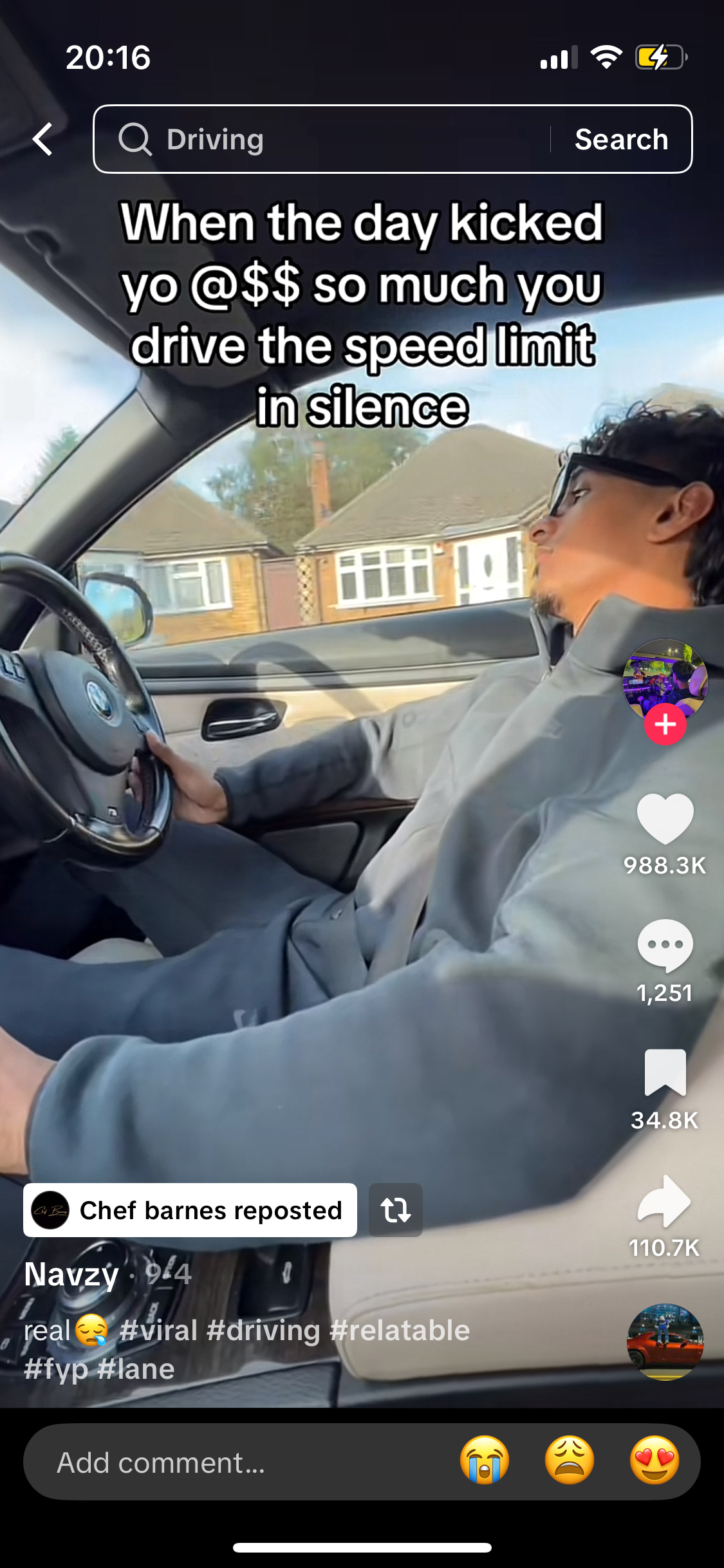
It started out of pure frustration. A day that had tested me to what felt like my limit, a mind reeling with all the things left undone, difficult conversations to be had, dreams deferred, the torment of uncertainty, and and and. As I stepped into my car and turned on the ignition, the afternoon drive show’s host sounded like the shrill screech of a drill bit being forced into an impenetrable surface. Her words jumbled into the sonic equivalent of being suffocated by the overwhelming and cacophonous voices already fighting for space in my head. In that moment, I had to switch off the car radio to stop the drilling. The sounds coming at me from the car radio were not a nifty distraction in this moment, but a loud chorus from a loudhailer that threatened the fragile state I was in.
The 30 minutes and 40 kilometres along the M1 and N1 highways that followed slowly ushered in calm, lowering the voices that had been fighting for their moment at the podium of my mind, to a whisper at first and then to nothing. Suddenly, a moment of panic was de-escalated by tuning out further distractions. Surrendering to complete silence had allowed me to turn down the volume without even trying. That single drive changed the way I commute. Now, silent drives are an essential part of my daily and weekly routine, not just in times of high stress or overwhelm, but as a key ingredient I need to stay sane. Initially, I did think of the exercise as ‘serial killer stuff’. Who can actively avoid distraction for that long and not succumb to the internal chaos they are trying to evade? Me is who.
Getting rid of music, podcasts, audiobooks, etc. can also be a meditative experience, which is ideal if you’re heading to a stressful event, or if you just need to quickly reconnect with yourself. As you drive, you can take in the scenery, enjoy a few deep breaths, or play grounding games to feel fully present — all things that are tough to do with Top 40 Hits blaring in the background.
Carolyn Steber
I didn’t even consider it a mindfulness hack until I saw a creator I follow on TikTok talk about it a few months ago. She said we are wearing our minds thin with constant stimulation, much of which we cannot process at all because of the sheer volume of inputs coming at us all day. Being silent for even 10 minutes can help you step away from the noise of the day, reduce stress and improve overall creativity. Trying to decompress with other people’s thoughts and feelings coming at you isn’t conducive to stillness and/or calming your nervous system. Even something as innocuous as listening to your favourite musician belt out their latest songs can work against this practice. Our brains don’t really know the difference between lyrics, our internalised thoughts and reality, so singing along to narratives that contradict who we are or want to be, can in fact, assist in creating an unintended reality. This has been the most difficult part of practising stillness for me, because I quite exclusively listen to ‘sad girl’ music. And don’t get me wrong, I still do, I just don’t belt out the parts that I used to identify with and say out loud that I am not the “I” being referred to. Silly, maybe, but necessary for me.
Some of the things I do in silence now include workouts at the gym, working, writing, walking, and sometimes instituting ‘no-talk time’ with loved ones. The latter is one of my favourite ways to use silence, just being near someone I love, in quiet contemplation is an act of intimacy I relish. The quiet I have embraced in my life allows me to look around more, take in my environment more fully and sometimes more meaningfully. It has also meant that I process thoughts and ideas more slowly and thoughtfully, and I am less hurried to arrive at decisions and subsequent action. I know it can be difficult to contend with having nothing but your thoughts staring back at you, but for me, this practice has meant that a once daunting task, which I actively wanted to drown out, is now something I crave and even need.
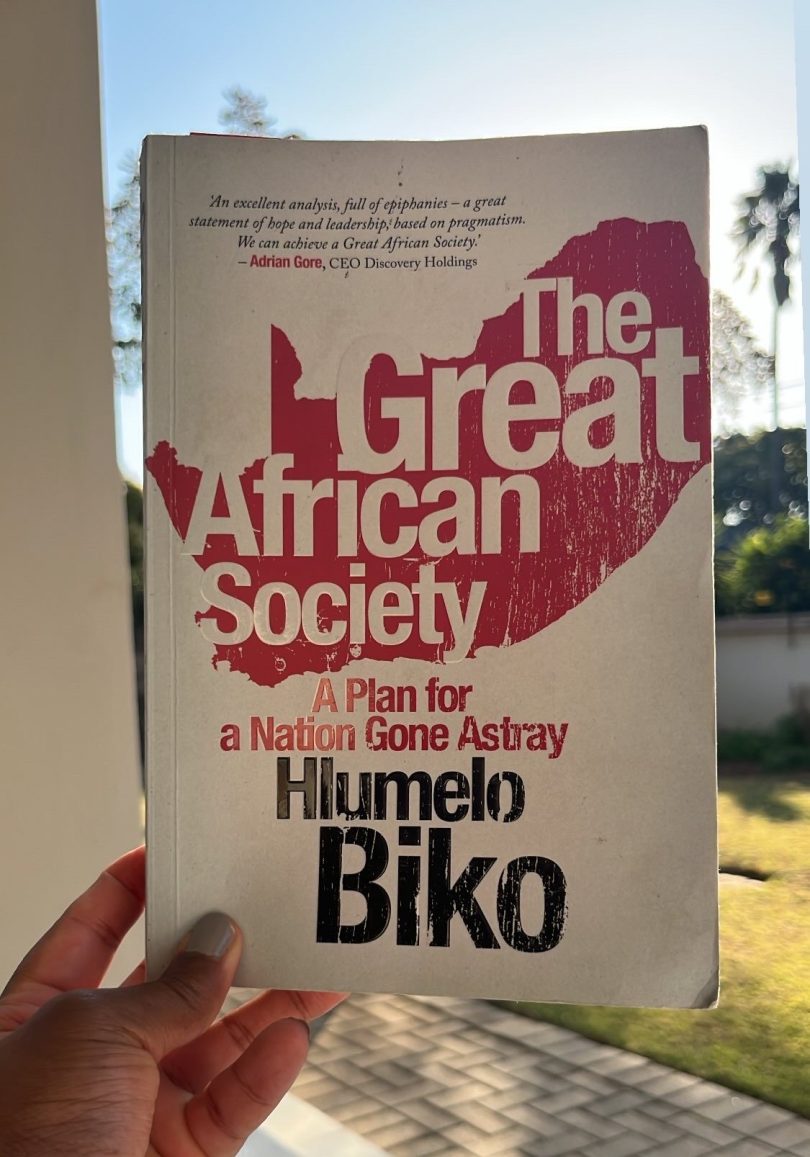
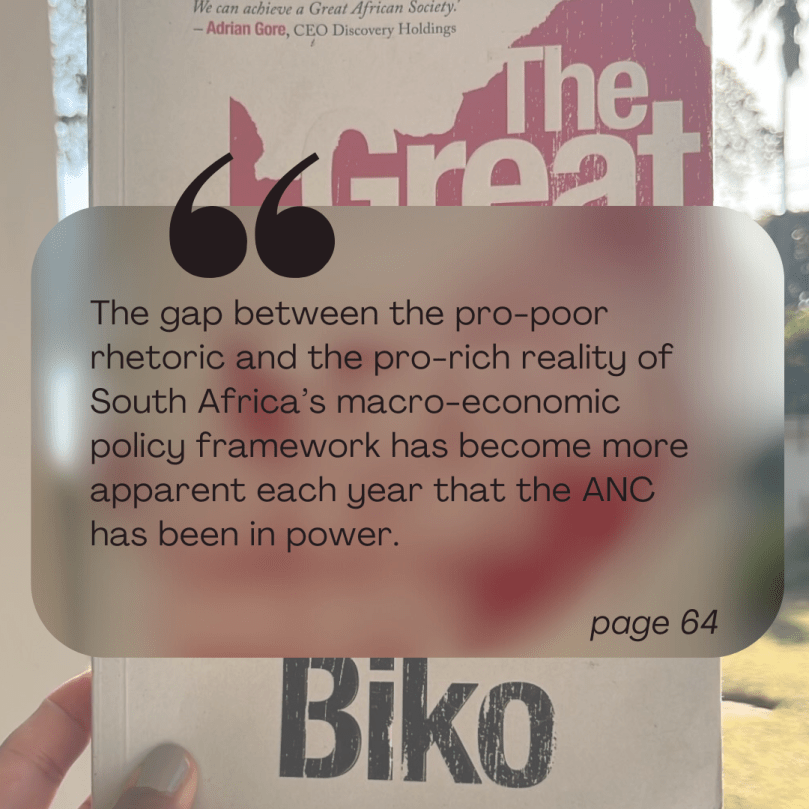
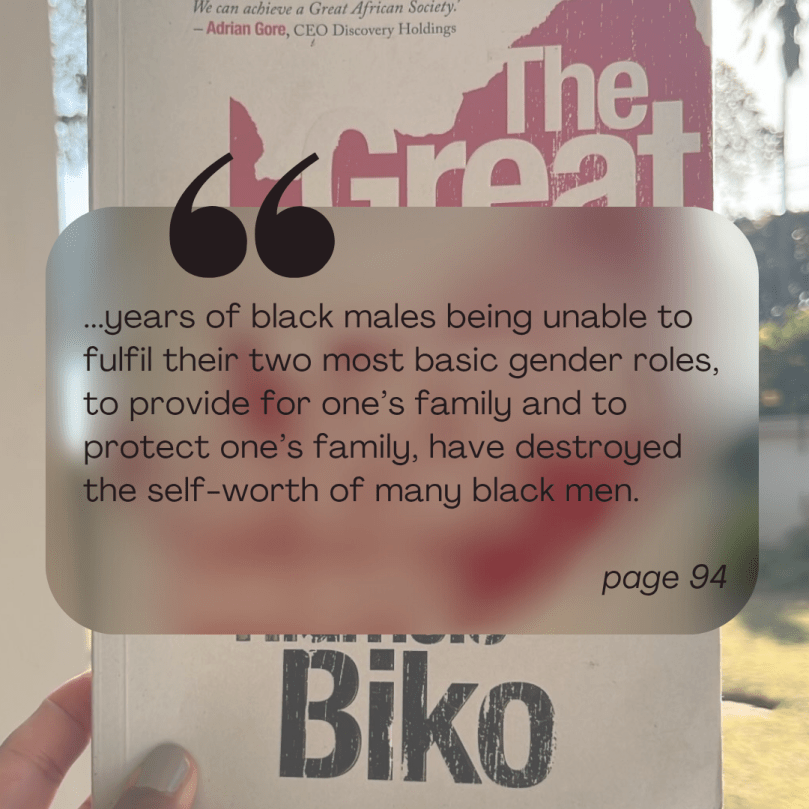
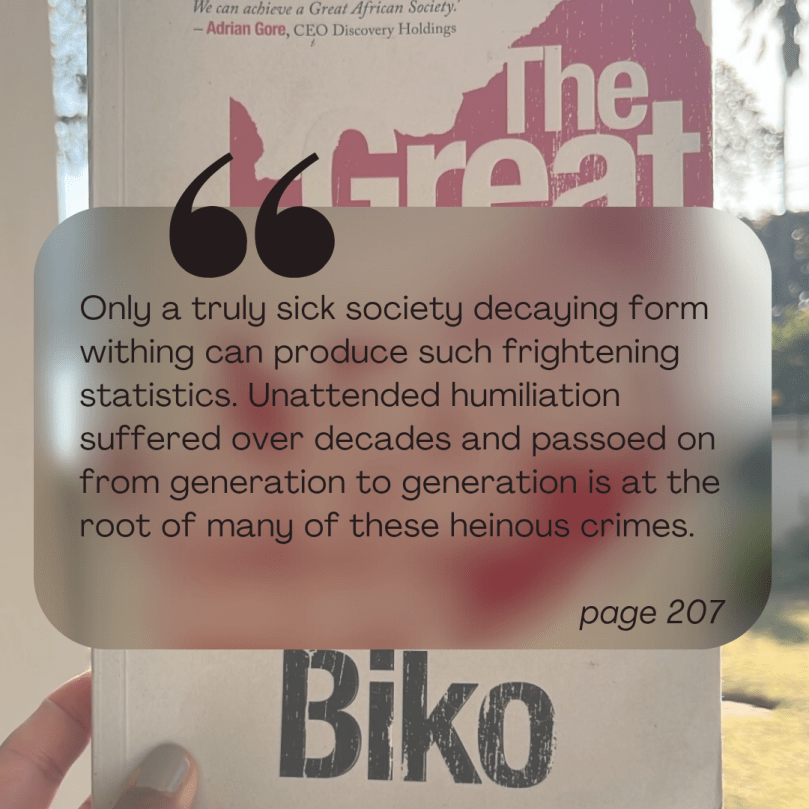
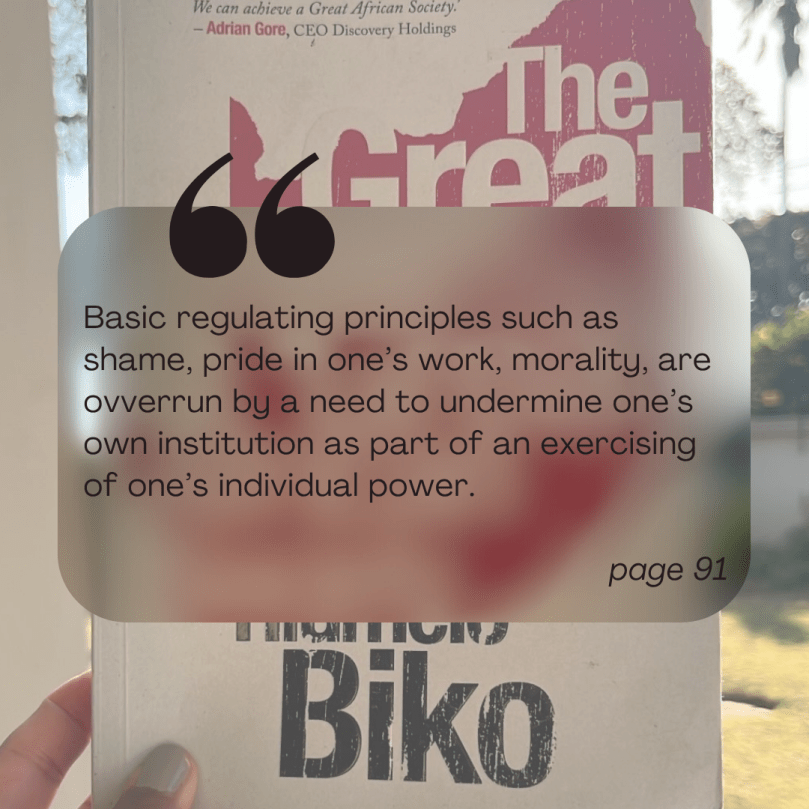
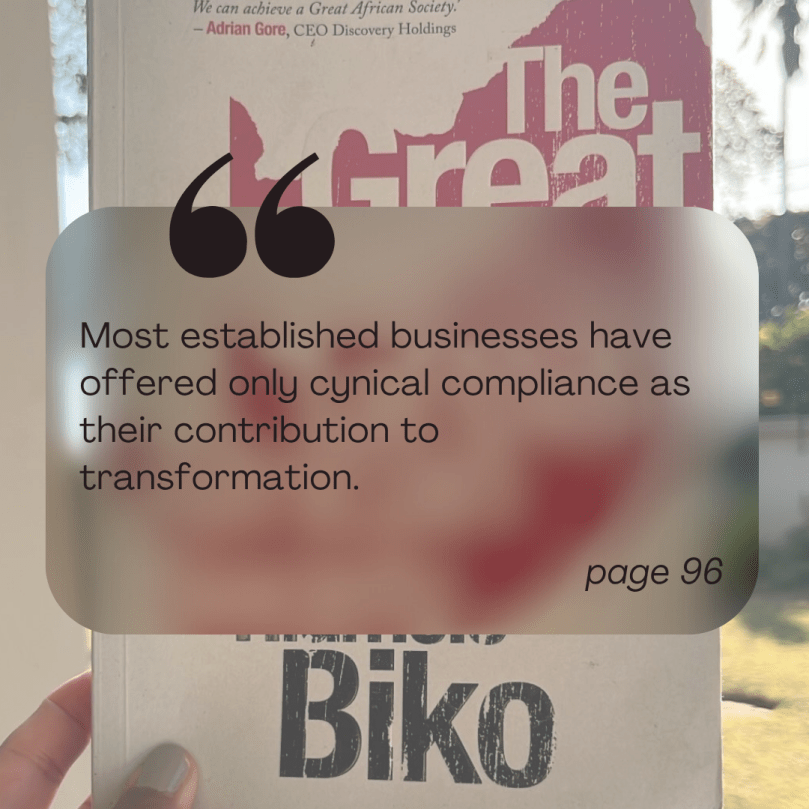
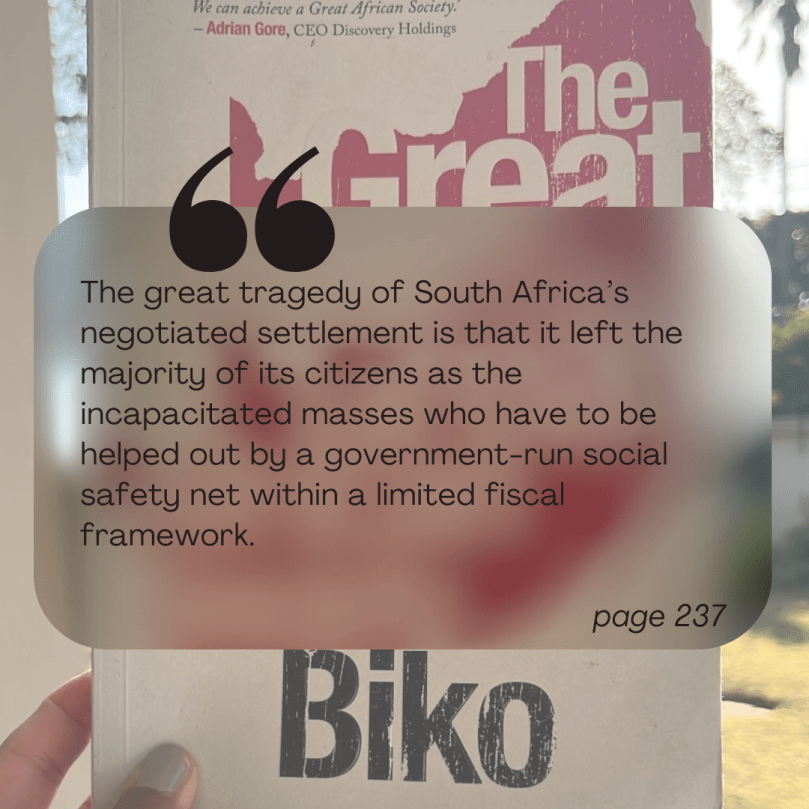
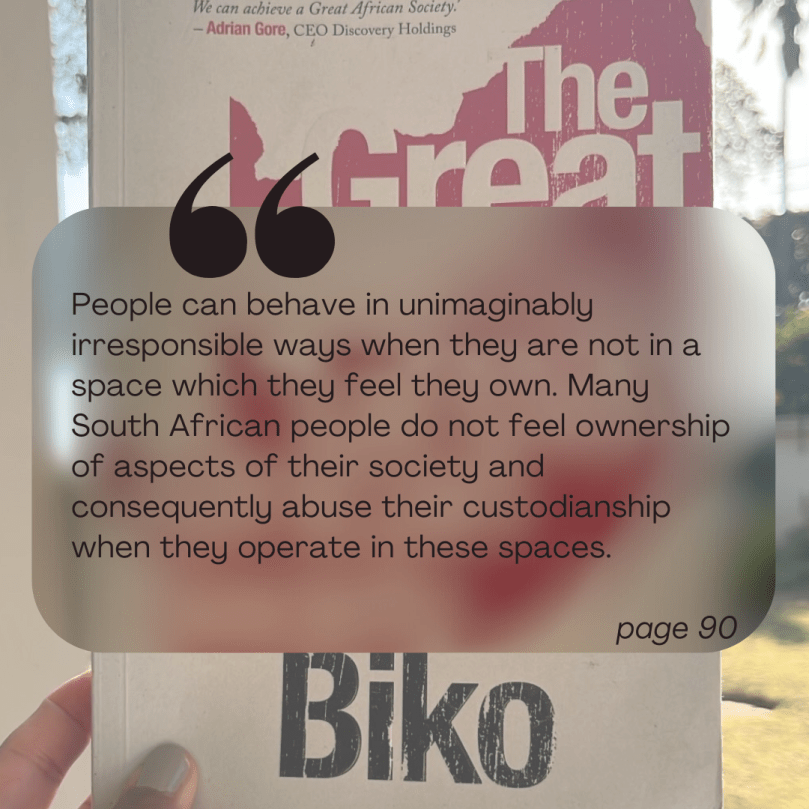
Unfortunately, I read this about ten years too late Published in 2013, it was an analysis of SA at a very particular time.
Infuriatingly, many of the issues that plagued the country then continue to do so today, at alarming and probably irreparable rates now. I enjoyed his careful and considered analysis which incorporates history, social, psychological and economic nuances to dissect a nation that could have (at that point) become a ‘great society’.
The author also provides quite realistic and achievable solutions, some of which have come to bear and others which are still much needed. Would be interested in the author’s current reading of the state of affairs because 📉
I’m old enough to remember the very early iterations of vlogs which were exclusively on YouTube or natively uploaded to blog sites. These vlogs (videoblogs) were usually either shot strictly on a tripod (or atop a makeshift stand) in someone’s bedroom or a chaotic bunch of selfie-style clips shot in various locations, at random times, culminating in a video montage. The immediacy, editing perfection and commercial imperative of modern vlogs, entirely absent from their narrative. When they first became popular in the 2010s, I only went to YouTube to watch TedTalks, interviews, music videos, stand-up comedy and covers of my favourite songs. The allure of watching other ordinary, unknown people’s lives, escaped me. Now, that’s the entire foundation and popularity behind them.
Blogs at the time were places for online connection through documentation, commentary and engagement that went beyond what was possible in limited social media posts. Personal publishing online was still in its infancy and therefore novel to those of us dipping our toes into this ocean of possibility (now simply, content, yuck).
Five main blogging motivations were identified in Nardi et al. [2004]: documenting one’s life; providing commentary and opinions; working out emotional issues; thinking by writing; and promoting conversation and community. Blogs have become an increasingly important way of learning about news and opinions not found in mainstream media, and blogging has become a popular social activity for establishing and maintaining online communities.
In Gao, Wen & Tian, Yonghong & Huang, Tiejun & Yang, Qiang. (2010). Vlogging: A survey of videoblogging technology on the web.. ACM Comput. Surv… 42.
So naturally, one would assume that vlogs would be the visual extension or interpretation of the above motivations and uses. While there weren’t set formulas on how to vlog technically and structurally, vlogs in the 2010s were efforts at brief glimpses into personal events, how-to do ABC or short clips from concerts, performances, in class etc. They were shaky and oft grainy testaments to the mundanity of being a high school or university student, or candid travelogues shot in another country on a handycam or small digital camera. To my memory, unlike video essays, vlogs were (and are) used for personal documentation more than outright analysis or commentary.
In the present, vlogs flood our timelines day in and out, and have been reduced to overly produced ‘get ready with me’ or ‘come with me to the grocery store’ slop that has no soul or capacity to engage with human life as it is. What I mean by this, is not that these aren’t activities that people are genuinely engaged on a daily basis, but the performance of them by creators whose lifestyles are monetised can reduce our very existence to one of imbibing the consumerist loop of buy, use, buy, use as natural, desirable and aspirational. The slow voiceovers, perfectly timed After Effects text and product placements – a sales pitch which makes products of people’s very lives. I suppose, like almost everything else, its a result of living in a capitalistic hellscape. Perfectly curated, nothing placates and numbs audiences in search of constant entertainment, no matter its substance.
Obviously, the above examples are limited and do not speak to the entire scope of diversification within the genre; for instance, there are professionals like chefs, athletes, teachers and more whose insights into their daily routines are eye-opening and illuminating. Their vlogs often are about ‘thinking out loud’ and opening up conversation with their audiences, more than they are a representation of living within the confines of certain aesthetics. Further, vlogs do not account for the countless video essays, explainers and straight-up rants that some people post as their online counter-mainstream outlet.
I often think about how for many, a first time viewing of The Truman Show (1998)would not in fact present as the psychological thriller it is, but as an unappreciated opportunity on his part (limitless camera angles, lighting and cooperative supporting cast members for the ‘main character’, come on, Truman). People’s ‘real’ lives are content, their misfortune and joy alike consumable and open for monetisation. But unlike Truman, they are both the creator and star of their own shows, willingly.
Waiting for others can be a self-imposed prison sentence.
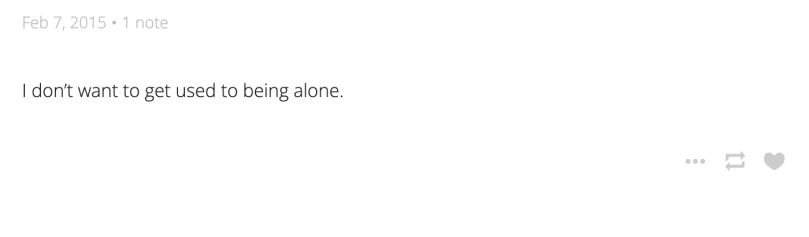
A much younger version of me once wrote that she did not want to get used to being alone on her tumblr blog.
I came across the frank plea in a recent archival exercise to transcribe text posts from that blog onto record cards (trying to have less of myself scattered across the internet, lol). Unfortunately, 24-year-old Pheladi, that’s exactly what we have had to do. Not just get used to it, but get good at it, really good at it.
At the time, it would be fair to describe my loneliness as nothing more than a dull ache, felt in short, sharp pangs months, sometimes years apart. The intensity of that ache has only grown over the years, its length and breadth sometimes overwhelming and suffocating its host. I have had to get used to being alone out of necessity, out of only having myself to lean on when needed. I deliberately don’t want to say ‘not out of choice’, because I recognise that much of my aloneness is a choice. A choice rooted in a mixture of avoidance, inflexibility, insecurity, poor communication skills, extreme self-love, some bad luck and obstinacy in the face of obvious misalignment (amongst other things).
As a yearner™, year after year of being companionless was initially a terrifying and alienating reality to step into. For context, I used to be the kind of person who left the house thinking ‘today might be the day I bump into the love the love of my life’ – legit, exhausting stuff. And the person who would happily ‘wait’ when some half-hearted lover had more urgent matters to see to than I. And the person who would save experiences and films to watch with this fictional other. But thankfully, somewhere along the way (maybe when my frontal lobe was fully developed), I realised that my life was happening anyway and that I should probably take part in it regardless of who was along for the ride. The realisation came about a year or two after that initial tumblr post, when I was living in a new city and, by virtue of not having my usual support structure of friends and family, had to learn to truly enjoy my own company.
I started with a small but important ritual on Sunday afternoons, a solo breakfast or brunch date with a book or the Sunday papers in tow as my only companions at the table. I recall the tinge of embarrassment that first crawled up my throat when I asked for a table for one. Heightened by the occasional look of pity offered by the waitstaff helping me that day. But those slow Sunday afternoons catalysed the courage needed to then go on solo theatre dates, to music shows, and even solo trips in the years that followed.
Following my own whims, without much consultation, is one of my greatest freedoms. One I do not take for granted because I can only imagine how many women before me, in my bloodline alone, never had the luxury of choice. The ability or space at any given moment to truly make decisions that served their greatest good or curiosity. I come from a long line of women who have always had to consider themselves last, to wait, and to serve at the behest of others. That I don’t have to do that at all is a privilege I carry with pride. I can book the thing, eat whatever my stomach calls to, buy whatever catches my wandering eye, go to the curated experience and chat to strangers, and come back to relative peace.
Like previous posts have alluded to, being in my 30s has allowed me to shed certain identities and ‘single’ is one of them. It’s not something I overexplain anymore, or something I care to dissect at length when I interact with the people I love. It’s a fact, sure, but not one that speaks to who I am as a person or what my life looks like. I still deeply yearn for companionship, but it no longer defines how I move or feel about myself.








 Published in 2013, it was an analysis of SA at a very particular time.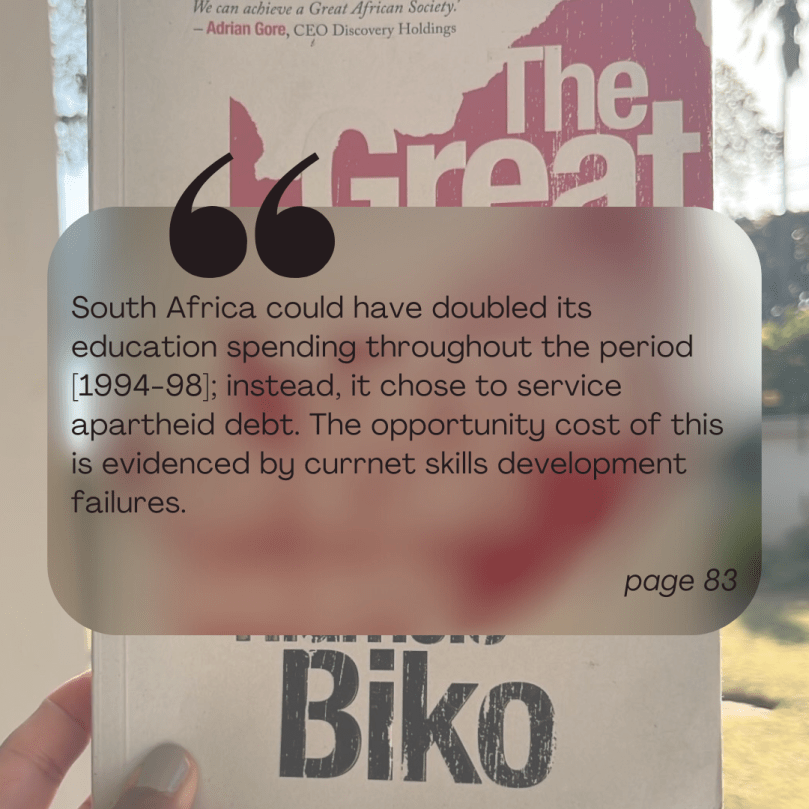








 Write. Snap. Click.