
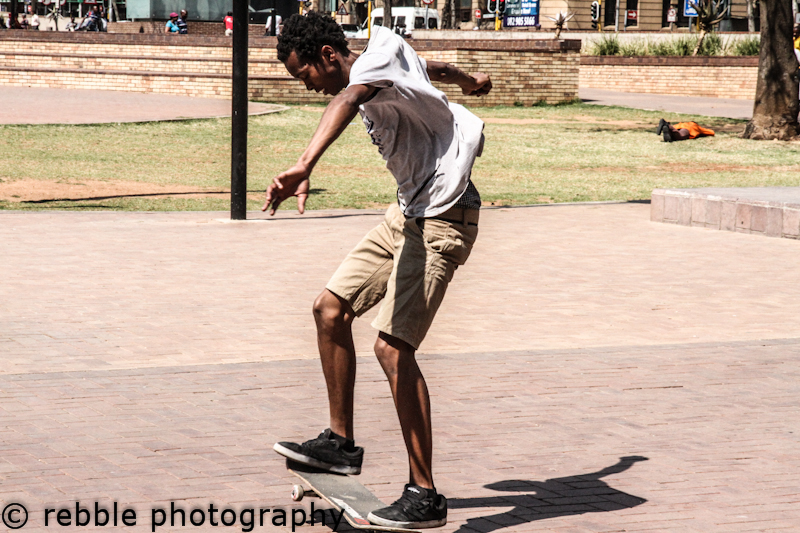
Was covering a protest outside Luthuli House on Monday afternoon and I ran into these skaters outside of the Johannesburg Library.


I like to take pictures in my spare time. There’s something very special about being able to capture a moment in history like that.

Was covering a protest outside Luthuli House on Monday afternoon and I ran into these skaters outside of the Johannesburg Library.
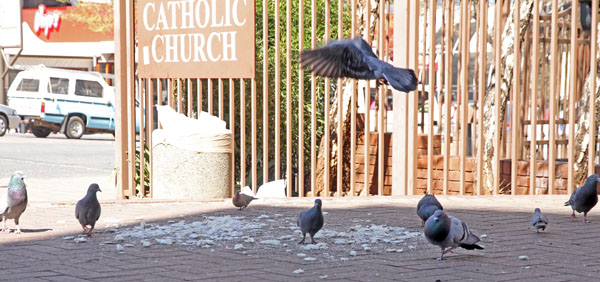
Spent a week and a half doing a photojournalism course. We shot a lot of things during that time, practicals are the best way to learn I rate.
Here are a few of my faves from some of those lessons:
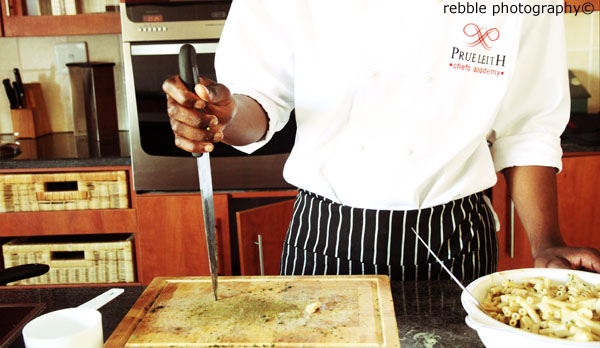
Had my first shoot on Friday for one of my assignments for photojournalism.
It was really fun and have put up a few images that I liked in my personal capacity on my photo blog: therebble.tumblr.com. Below are two teasers, follow the blog link or more 🙂


“I know I’m going to be a writer one day. I don’t think it in my brain but I know it in my heart,” I have not been able to look back since I read this Chris Van Wyk quote three years ago. It provided me with the resolve to do exactly what I’m doing in my life right now.
This past weekend a colleague and I went to the 2013 Mail & Guardian Literary Festival, to bask in the presence of some of South Africa’s literary giants.
The Market Theatre was the historically apt venue picked to host the festival. Couches in the middle of a black stage in the main theatre providing the speakers with their literal platform.
We sat in one session after another, furiously typing out tweets, scribbling notes and snapping photos. Between all of this we had to process what was being discussed on the various panels. All of which were interesting and engaging in their own ways.
One recurring statement made by writers like Nadine Gordimer and Craig Higginson, was that writing is a calling of sorts. One doesn’t write because they want to but because they have to. Craig went on to say that it simply isn’t worth the pain and effort otherwise.
I want to be like them
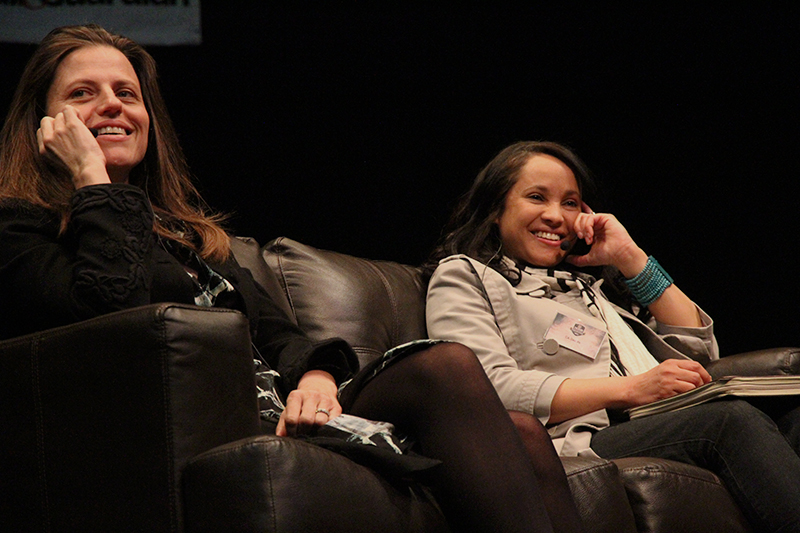
I was lucky to sit in on a panel discussion with a theme of ‘fact and fiction’ luckier still to listen to the first panel of women only, all of whom are first time published authors.
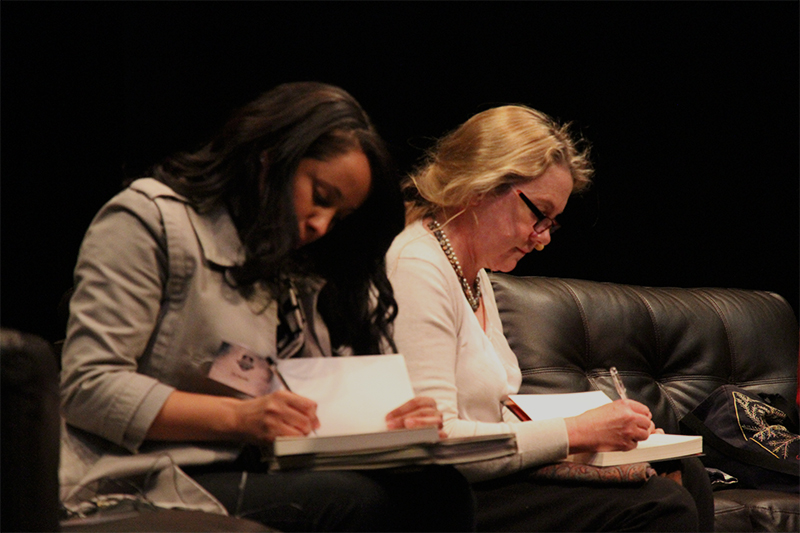
I have ambitions of being in their shoes one day. I’m doing journalism in a mission to be on the right side of history and because I really do enjoy writing. I want to be a journalist because I imagined at some point when I am too old or too tired of being on the field, I would magically turn into a writer. Well not magically but all that training will come in handy.
Anyway long story short, becoming a writer is the end goal.
So this panel discussion provided enough information for me to be inspired to keep on keeping on where this dream is concerned.
Journalism and writing
Claire Robertson provided some insight on how she managed to use her experience as a journalist to help her write her book, The Spiral House.
She said that she tried to avoid writing about her personal life, because in journalism reporting on oneself just isn’t done. “I’m not brave enough to write too intimately about my life,” confessed Claire. Clearly I have no such inhibitions, one browse on my tumblr blog is evidence of this.
However, she did insert herself in the places were she deemed it necessary because it was unavoidable. Her background helped her to write much faster than some of the other women on the panel, in this moment she was thankful for the demanding deadlines.
Fact versus fiction
A little fact, mixed with some fiction or do you have to one or the other. Author, Dominique Botha said the truth is incredibly hard and can never really be 100% in that regard. This makes for a problematic relationship between memoir and fiction she added.
“To retrieve memory is the first act of fiction,” she said. Botha added that memory relies on the act of imagination, in an effort to illustrate that memory is compromised and can’t be considered as 100% accurate.
Carol-Ann Davids, author of The Blacks of Cape Town said that one needs a little bit of both (fact and fiction) to tell a story.
Storytelling
The women on the panel emphasised that what they were doing was telling stories. Claire went as far as to say being a good writer is not enough, one has to be a good storyteller to write something of substance.
Maren Bodenstein , said that by way of storytelling and using details you can get a little closer to the ‘truth’ Dominique said was illusory. She said that this was the magic of, “dealing with the theory of literature”.
When asked by chair, Craig how they all managed to write such mature and deep books on their first try, the women unanimously agreed that they got to that point through enduring a lot of rejection and humiliation. “After chipping away at yourself you have no option but to write from your gut,” added Dominique.
The discussion then opened up to the floor in which time questions about getting published and being mothers were asked. Basically it difficult, it’s difficult to get published – to get someone to believe in your story. On being a mother while writing her first book, Carol-Ann said it was challenging but not impossible.
I learnt a thing or two about the journey I am yet to travel and was encouraged to press on.


By Caro Malherbe and Shandukani Mulaudzi
Wits has pledged to undertake a multidimensional approach to issues of sexual harassment on campus by formulating a special task team initiated by the vice chancellor’s office. These measures and others were announced today at a press conference called to make the findings of an independent inquiry into issues of sexual harassment at Wits University.
Vice chancellor Prof Adam Habib said he takes full responsibility for the abuses that happened at Wits and that the report highlights the failure of the university’s system to address rumours and allegations decisively.
Habib added that the university welcomes the recommendations and will form a Senior Executive Team to start a plan of action on how the issue of sexual harassment will be dealt with, in line with the culture of the institution.
Special Task Team
The special task team will originate from the VC’s office and comprise various experts from within the university including gender specialists, the transformation office, sexual harassment advisors, legal expertise and student representatives.
Habib said student representatives will not be solely from the SRC but from various sectors of the student body.

Difficulties of investigation
Prof Bonita Meyersfeld, the director of the Centre of Applied Legal Studies at Wits was part of the team who compiled the report together with lawyers from law firm Norton Rose. She said this was one of the most difficult inquiries to undertake.
“The inquiry was one of the most difficult tasks for the whole team to undertake because we were dealing with our own university. But it was important and totally worth it.”
Meyersfeld said students and members of staff were initially reluctant to speak to them but in the last two months of the inquiry they were more willing to come forward.
“The emotion involved in both students and staff alike is evident throughout the university and administration. Students felt they were not listened to and not taken seriously.”
Meyersfeld said the students were also worried about following the legal process as they were worried about being re-traumatised by speaking to various entities about the same incident.
Members of staff, although they shared the same sentiments also worried about the threat posed to their careers if they came forward.
Continuing investigation
Two cases have already been dealt with and the accused persons have been dismissed. Habib said there are two other cases that are on-going.
“Two have been dismissed and another who began investigations will hopefully be released to me tomorrow. The fourth is yet to begin.”

The on-going investigation is that of Prof Rupert Taylor, while the one that has not yet begun is that of Dr Lord Mawuko. This was confirmed by a reliable source who did not want to be named.
Meyersfeld said while there were other perpetrators discovered during the inquiry. However cases were dealt with on a confidential basis and unless students asked for their accusations to be pursued, they were not.
Habib added: “We pursued various other avenues to get to the bottom of it [new cases]. But in those instances our findings yielded no further investigation.”
Habib thanked the media for blowing the whistle on issues of sexual harassment as this forced the university to take immediate action.
RELATED STORIES:
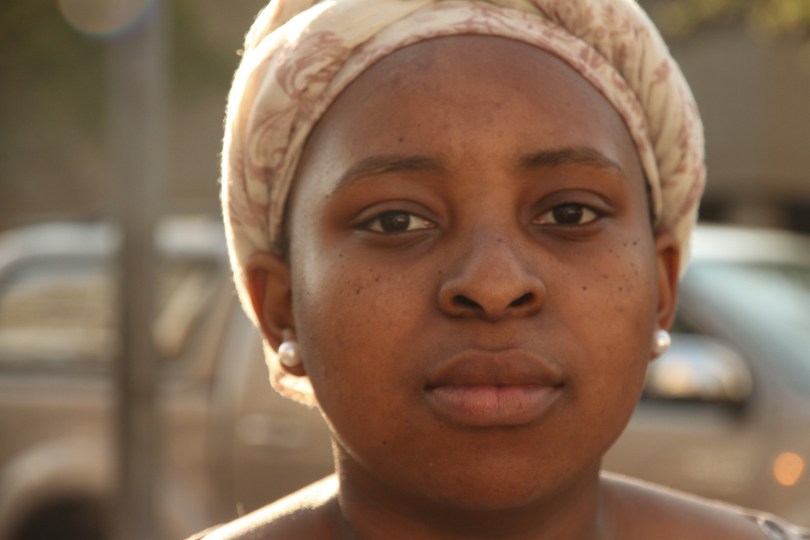
This was taken during one of our practical lessons. If I remember correctly this lesson was on lighting and exposure in open shade. I came out alright.
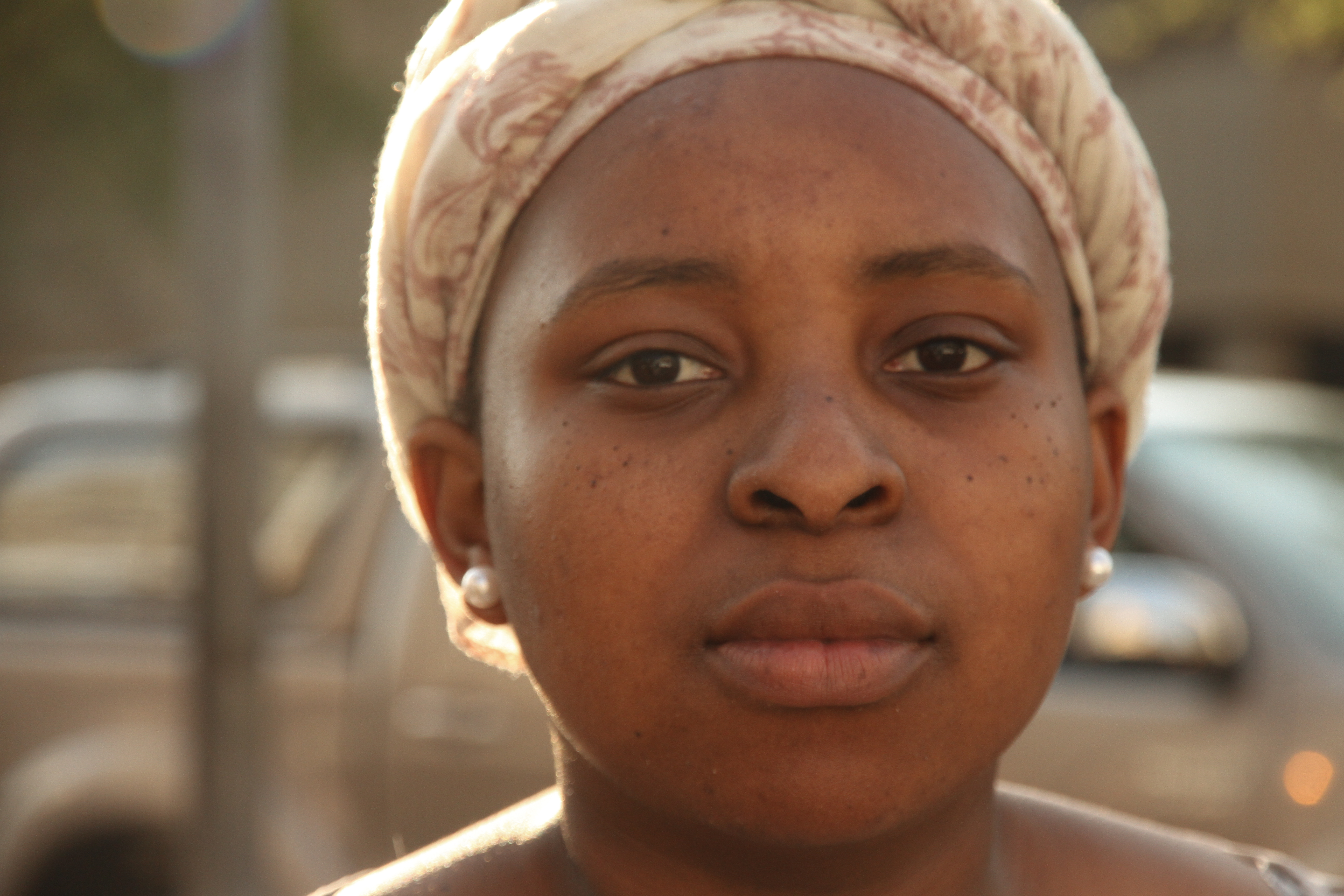

Today was our first full day of photojournalism with lecturer TJ Lemon.
Am bushed but I learnt quite a bit, just wish my Ruby was here 
Took these two photo’s as test shots when we were packing up in the morning.



Hi all,
Put up my Oppikoppi photos on my photo blog: therebble.tumblr.com
visit the blog to have a look at how awesome it was 🙂
Here are a few teasers:



Thomas “Tom” Revington is a long-haired indie kid, who is a student by day and a rock star by night.
The fourth year film student is the guitarist and ukulele player in indie-bele band Shortstraw. His other talents include beat boxing and playing on an electric drum kit.
He lives in a commune in Emmarentia with other musicians, which allows him to jam whenever the urge arises.
Why did you choose to study film?
‘Cause it’s cool. No I’m joking. I wanted to do architecture, but apparently my maths marks weren’t good enough so film was the next best thing. Glad I did though, I get to experience life in its entirety and love the creative process and being able to produce a product at the end.
How did you get involved with the band Shortstraw?
I used to be in a band called The Uncut, but that ended. I just posted a Facebook status saying that I was bored and wanted to jam with people looking for a guitarist.
Jason Heartman, the band’s ex-guitarist, saw it and let the guys know and, yeah, two and a half years later, I’m still the guitarist.
You just went to Oppikoppi with the band. How was that?
It was awesome, dusty and crazy, but I managed to survive it. I particularly enjoyed the performances byManchester Orchestraand Matthew Mole. He’s a buddy of ours. Also our show was crazy cool, just an amazing experience.
How do you juggle being in a band and being a full-time student?
Yo, it’s hard hey. I do that and I have to work to pay for rent and stuff. Last year my first day of exams coincided with the band’s first day of tour, so I had to fly back and forth a lot and did a lot of studying on planes.
But everything works out somehow.
Are girls very forthcoming with their advance because you’re in a band?
Ha ha ja, but I‘m just not that kind of guy. I have signed a boob though. There’s a lot of temptation I suppose, but I am single and I’m just really awkward anyway. My awkwardness generally just puts girls off.
What are some of your favourite spots in Braamfontein?
There’s so many, I like Great Dane, Kitcheners, Father Coffee – actually just everything on Juta. The urban renovation is awesome, I hope it keeps growing so everyone can come party in the city.
RELATED ARTICLES:
By Pheladi Sethusa and Shandukani Mulaudzi
Pulling the short straw is something that happens a few times in your life. Sometimes you may be lucky and you won’t, this is life.
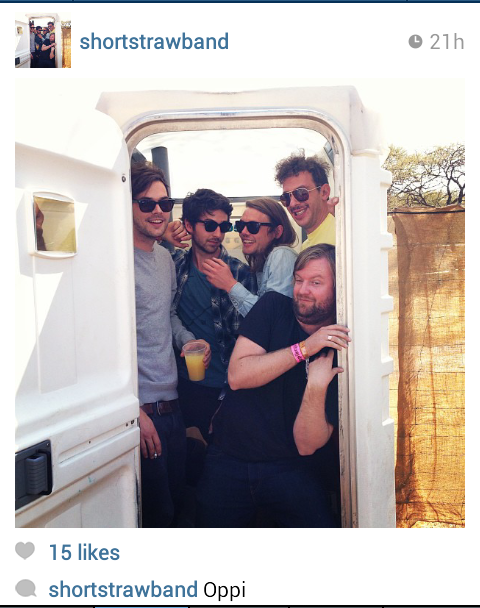 ShortStraw
For the five man band ShortStraw, it was about the beginning of their career. They started out playing for no one then moved on to crowds of about 40 and now, they have two shows on the best Oppikoppi stages.
In an interview with the band, we told them ofour sad racist encounter the night before.
“That’s fucking bullshit. It’s fucking 2013 you can only laugh at people who still think that way,” said Russel, bass player for ShortStraw.
Russel told Wits Vuvuzela that one of the first black bands to play at Oppi was Kwani Experience and that was what sparked a cultural change at Oppi.
“Black bands used to be apprehensive. But once they played and were received well they changed their minds about the fest.”
Tom added that music is an experience for everyone and something that should bring all people together.
After pulling the short straw on day one, we were on a mission to find some diversity at Oppikoppi.
Traditional music moves

The Ray-Ban stage, where the incident happened the night before was where we found a new enlightening Oppi experience.
The act was, Bongeziwe Mabandla, who enchanted the crowd with his sweet traditional melodies in isiXhosa. His sound was one we cannot put our finger on but it made us feel like we were watching a male Thandiswa Mazwai.
The crowd, representative of South Africa’s overrated rainbow nation, more than half of whom did not understand the lyrics, stood and danced along with him.
People lost their minds when he jumped off the stage into the crowd and beckoned him to jump onto the table, which he did without protest.

Oppi’s cultural shift
Bittereinder, who are veterans to Oppi said the festival has gotten bigger and better with more variety in music than ever before.
Jaco van der Merwe, rapper in three man band used the Vusi Mahlasela tribute last year as an example of Oppi’s diversity.
“Mi Casa is a great example of diversity, it’s just beautiful. They also have random black people at our show, who have no idea what we are saying, but they jam anyway,” Jaco chuckled.
Later that evening we jammed to crowd favourites Zakes Bantwiniand MiCasa. At these performances, the crowds were just as diverse and responsive. As J’Something asked us to jika, we turned and saw different people jika along with him.
 Write. Snap. Click.