Debate Club: Gender agenda

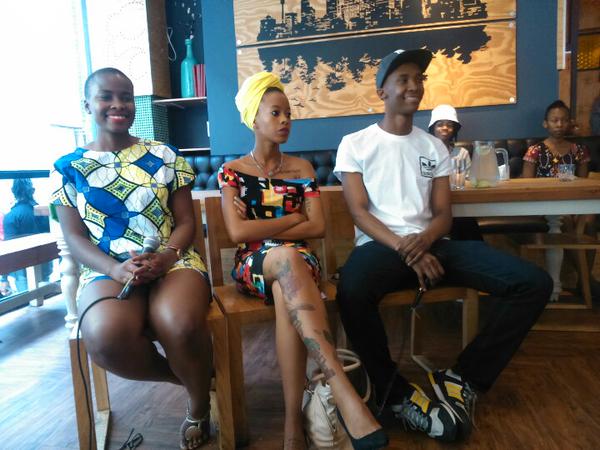
Gender not sex. Womanism not feminism. Patriarchy not masculinity.  These were some of the things brought up at the last debate club meeting of the year on November 25, 2014. The panel steering the direction of the conversation was made up by Panashe Chigumadzi, Lee Molefi and Lebohang Nova Masango.

Feminism, what it is and who it speaks to made up a substantial part of the debate on the night. Some described it as movement that seeks justice and equality. As women wanting to live in a world where they don’t have constantly “check” themselves to stay out of harms way. As vaginas and boobs not being the things that dictate where we belong and what we get to do. The most poignant description for me was:

The way patriarchy shapes what men should and can expect from women was another hot topic. I recall one guy in the audience saying he is all for woman empowerment and equality for “other women” just not his woman. He admitted that he had learnt to expect subservience and as a result that is what he now yearned for.

If I recall correctly he said he’s all for his sister becoming and engineer but his wife should have a more “humble job” as to not bruise his ego and mess with his role as the head of the house. The room, filled predominantly with women, was up in arms at that. This is the kind of thinking that reminds women that they are alone in this struggle, black men aren’t really here for us. Agreed with these comments on gender roles made on the night:

My biggest take away from the night was the fact that so few men were willing to understand what feminism is, some suggested that they can never identify because they aren’t women, that they need to be schooled and feel included to get on the train. In response, the panel said acknowledging patriarchy and how as a man you benefit from it, is similar to white people having to acknowledge white privilege. Something that was necessary to start trying to make things better.

https://twitter.com/ShanduMul/status/537288762934714369

There is a lot more that could have been discussed but time rules us all. This is a very short video of the night made by the good people at LiveMag:


SLICE OF LIFE: I’m a flaming feminist, yeah I said it

“I don’t mind women in general wearing crop tops or short shorts, but I don’t want my girlfriend wearing those things because they make me feel uncomfortable,” said a male friend.

He considers himself sympathetic to feminism. This conversation occurred after I had accepted the label, feminist. If it had happened two or three years ago I might have “understood” where he was coming from, now I don’t. It took me quite a while to come to terms with feminism, to understand it and identify with it. To me feminism simply means the freedom to choose who I want to be.

I’m out

In the past I’ve labeled myself as a “laissez-faire feminist” and described myself as such in social conversations. What I meant was that I do recognize that patriarchy is real and is at work 24/7 to undermine people of my gender. What I was saying along with this at the time is that I prescribed to the gender roles dictated to us by society, and that I was comfortable with this status quo.

The attitude has fallen away to be replaced by a more precise concept “black feminism”. I am out. Loud and proud. I have successfully rid myself of the fear of discrimination for being vocal about feminism.

A lot of people have a stereotypical image of an unshaven, angry, man-hater when they think of the word “feminist”. I was scared to associate with the feminist struggle because of this negative stereotype.I now realize one can shave, like to cook, love men and still be a feminist.

The problem with patriarchy 

People are uncomfortable with accepting certain truths, especially if they somehow benefit from whatever it is you are speaking out against.

Men, whether they like it or not benefit from the patriarchal shield that makes their lives a little sweeter. God forbid he cook and clean, domestic chores are for girls. He should sit on the couch, have beers and snacks delivered as he shouts at the TV in front of him. This kind of behavioural conditioning in the media and in our homes provides a breeding ground for the next generation to play into the same kind of zombie like fixation with gender roles.

The problem with patriarchy is that it makes men believe they are rightfully entitled to certain things where women are involved, women’s fashion choices among them. It makes women believe that they have to do certain things, look a certain way, say certain things to win them the “real women” label. Being desirable trumping other pursuits, overshadowing other attributes of their womanhood.

Patriarchy is the reason we have a rape culture here and elsewhere, it allows for the pathological thinking that says a woman can be owned, domineered and conquered at will.  That a woman’s body can be seized, forcefully if all else fails.

What feminism says 

Feminism stands up and shouts “NO!”. It says women are more than their boobs and their bums, more than the scrubbing their hands can endure, are more than the nappies they can change. It says women are capable of more than they are given credit for. It says that women deserve to be treated justly, that they have a place outside of the kitchen. It says gender roles are bullshit, archaic and oppressive.

Feminism has taught me to ignore the cues given to me by society about what kind of woman I should be, because they say so. I should be the kind of woman I choose to be, because I say so. I don’t have to cook and clean to be “wifey material”, a man who thinks like that has no business looking for a wife because clearly all he needs is domestic assistance, which is fairly easy to find in a want ad.

Feminism has also taught me that I don’t have to be an emotionless “bitch” to be respected, that independence is not about being alone, that my sex life is no one’s business but mine. It’s taught me that justice and equality aren’t the same, that sometimes justice does mean giving someone an opportunity based on their gender or race – because equality tends to ignore the existing imbalances between two people when handing out the so called same opportunity or advantage.