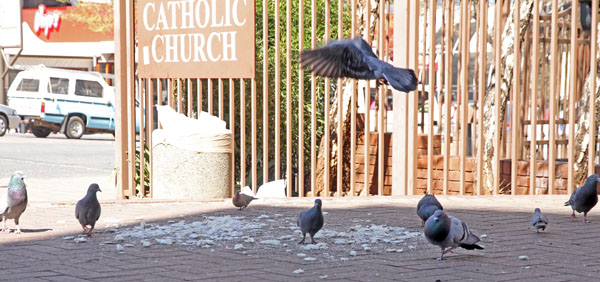
As I mentioned in my last night, today my journalism class had a field trip. We went down to the old/new Chinatown in the city. Today I choose to tell the day’s tales in a visual manner, enjoy.
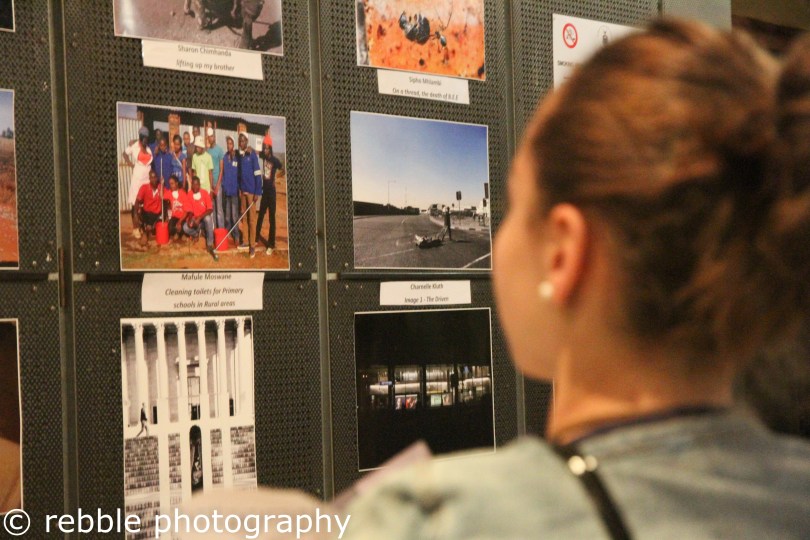
Last night was the prize giving event for the fifth annual Wits Photographic Competition. Here are some of the photos I took at the event, more from the night can be found here: https://www.facebook.com/WitsTO?fref=ts
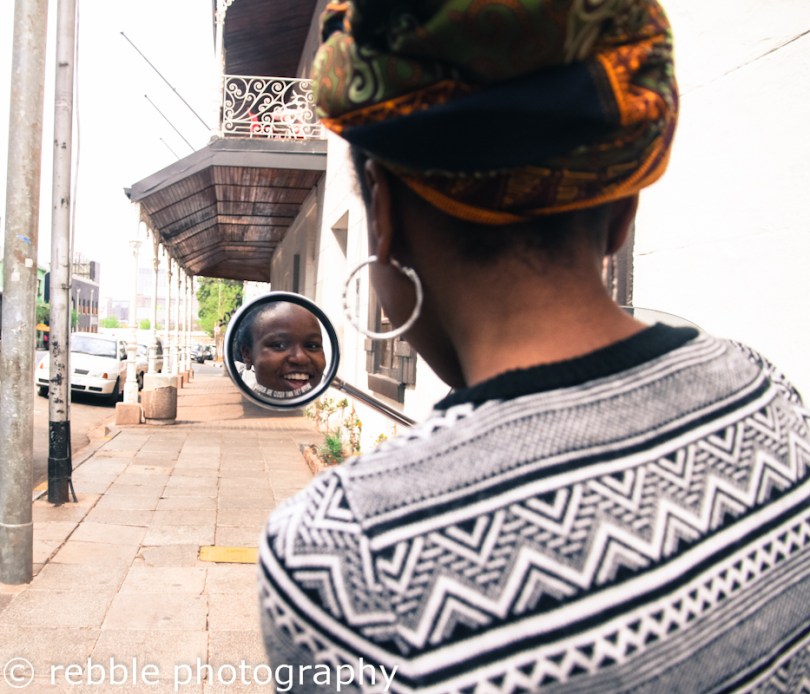
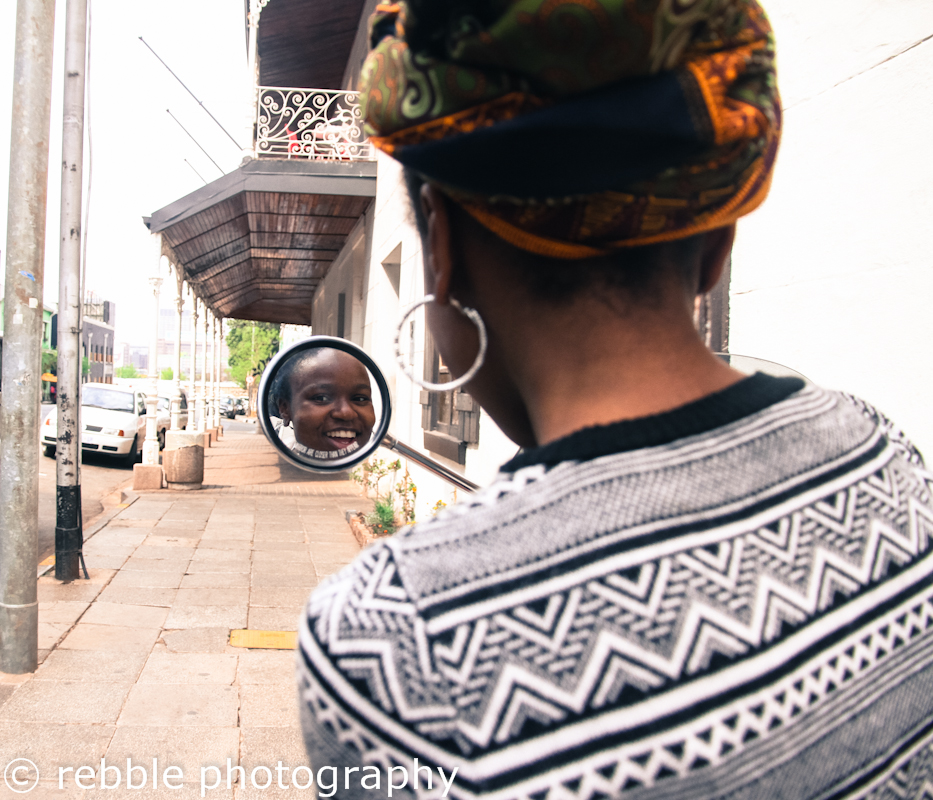
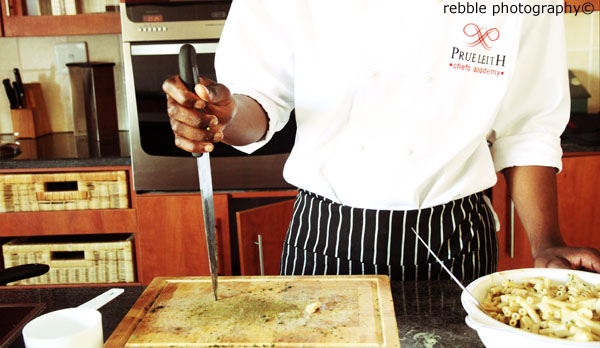
Had my first shoot on Friday for one of my assignments for photojournalism.
It was really fun and have put up a few images that I liked in my personal capacity on my photo blog: therebble.tumblr.com. Below are two teasers, follow the blog link or more 🙂
Prof Bonita Meyersfield outlines some of the key findings from the report. Photo: Pheladi Sethusa
By Caro Malherbe and Shandukani Mulaudzi
Wits has pledged to undertake a multidimensional approach to issues of sexual harassment on campus by formulating a special task team initiated by the vice chancellor’s office. These measures and others were announced today at a press conference called to make the findings of an independent inquiry into issues of sexual harassment at Wits University.
Vice chancellor Prof Adam Habib said he takes full responsibility for the abuses that happened at Wits and that the report highlights the failure of the university’s system to address rumours and allegations decisively.
Habib added that the university welcomes the recommendations and will form a Senior Executive Team to start a plan of action on how the issue of sexual harassment will be dealt with, in line with the culture of the institution.
The special task team will originate from the VC’s office and comprise various experts from within the university including gender specialists, the transformation office, sexual harassment advisors, legal expertise and student representatives.
Habib said student representatives will not be solely from the SRC but from various sectors of the student body.
Prof Adam Habib, Kirti Menon and Prof Andrew Crouch field questions from the media. Photo: Pheladi Sethusa
Difficulties of investigation
Prof Bonita Meyersfeld, the director of the Centre of Applied Legal Studies at Wits was part of the team who compiled the report together with lawyers from law firm Norton Rose. She said this was one of the most difficult inquiries to undertake.
“The inquiry was one of the most difficult tasks for the whole team to undertake because we were dealing with our own university. But it was important and totally worth it.”
Meyersfeld said students and members of staff were initially reluctant to speak to them but in the last two months of the inquiry they were more willing to come forward.
“The emotion involved in both students and staff alike is evident throughout the university and administration. Students felt they were not listened to and not taken seriously.”
Meyersfeld said the students were also worried about following the legal process as they were worried about being re-traumatised by speaking to various entities about the same incident.
Members of staff, although they shared the same sentiments also worried about the threat posed to their careers if they came forward.
“Two have been dismissed and another who began investigations will hopefully be released to me tomorrow. The fourth is yet to begin.”
SRC President, Sibulele Mgudlwa answers a question from the audience. Photo: Pheladi Sethusa
The on-going investigation is that of Prof Rupert Taylor, while the one that has not yet begun is that of Dr Lord Mawuko. This was confirmed by a reliable source who did not want to be named.
Meyersfeld said while there were other perpetrators discovered during the inquiry. However cases were dealt with on a confidential basis and unless students asked for their accusations to be pursued, they were not.
Habib added: “We pursued various other avenues to get to the bottom of it [new cases]. But in those instances our findings yielded no further investigation.”
Habib thanked the media for blowing the whistle on issues of sexual harassment as this forced the university to take immediate action.
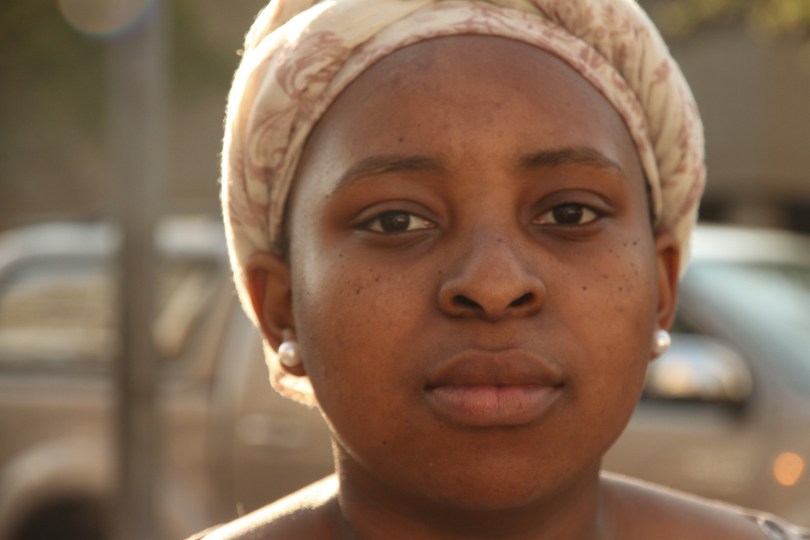
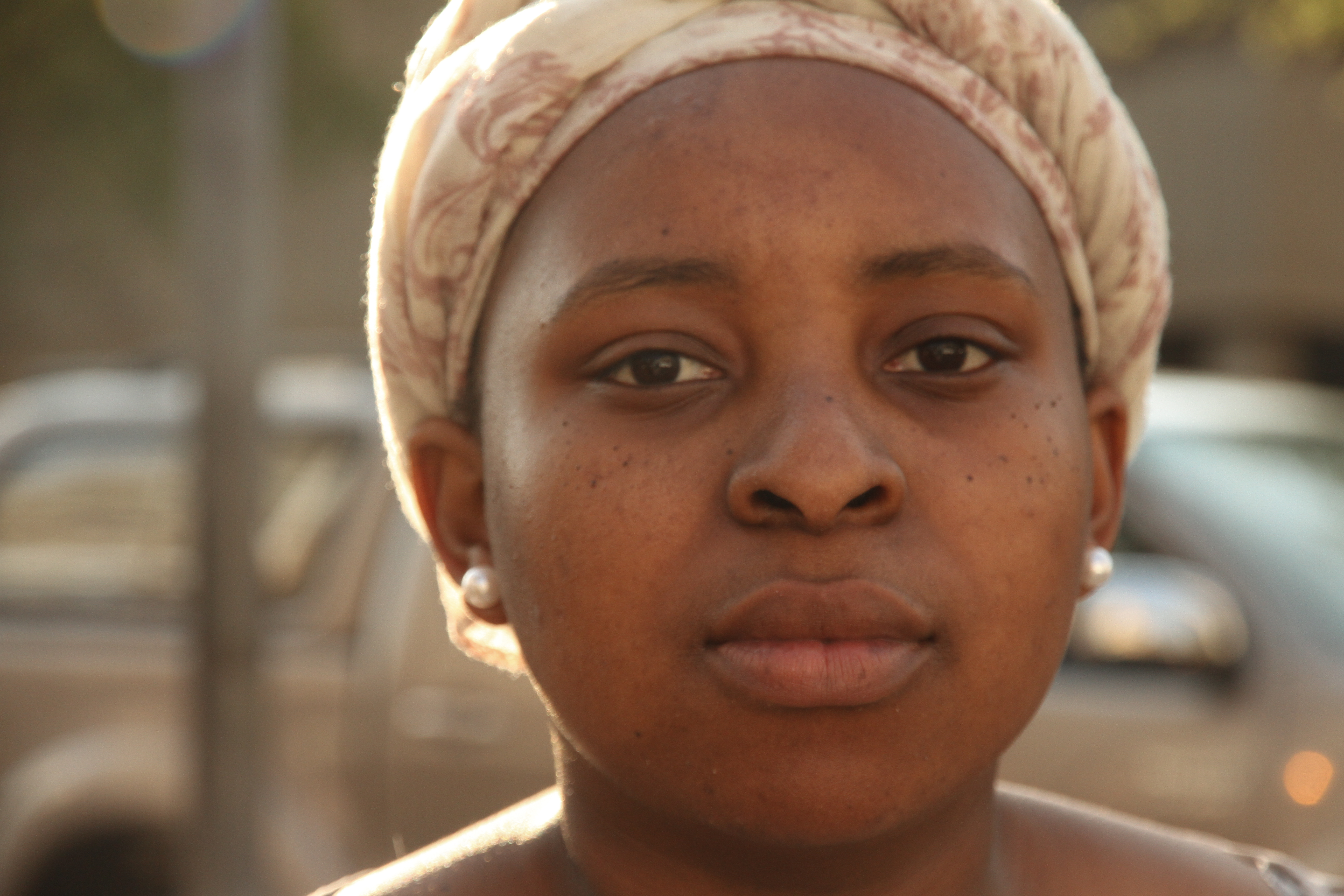
This was taken during one of our practical lessons. If I remember correctly this lesson was on lighting and exposure in open shade. I came out alright.
A crowd of eager art lovers could not resist the magnetism of the historical photographic archive dating back to the 1800′s and commemorating the 1913 Land Act.
This year marks 100 years since the 1913 Land Act was passed. The act helped to successfully disenfranchise indigenous South African’s in terms of land ownership and its repercussions are still felt today.
Curator of the Umhlaba Exhibiton, Bongi Dhlomo-Matloa said that the exhibition’s purpose was to help people remember their history. “Commemoration is a relative term here, we are remembering this act that left blacks with only 7% of the land,” she said.
Dhlomo-Matloa coincidentally wore a black and white ensemble matching the monochromatic nature of most of the photographs on display. She said it was merely a coincidence but nonetheless she carried the colours of our history around her neck and on her shoulders.
Remembering history
Next to the exhibition’s entrance was a plaque detailing the aims, limitations and history behind the curation. “No single photographic exhibition could illustrate the full diversity of our complex realities,” but this by no means, kept the artist/photographer from making an attempt to illustrate those complex realities.
This history could not only be seen, but was also heard as jazz, afro-soul and choral music ushered people up the ramp and along the walls of the gallery. It was quite jarring to hear the juxtaposition between Miriam Makeba’s voice sing Gauteng and then immediately after, a choir sing Die Stem, while standing at the wall with all the apartheid-era photography on it.
Photographic reality
Dlomo-Matloa went on to say that these photos were used as they “are very exact” and can therefore accurately depict the reality they captured. The first colour picture seen in the gallery was on the apartheid wall, a photograph by David Goldblatt. It was taken in 1987 at a resettlement camp in the Wittlesea district of the then Ciskei.
Fourth year photography student Melissa Bennett, said she loved how the photos told a story of overcoming boundaries. She was also particularly intrigued by the way the photos had been arranged according to a historical timeline.
Dhlomo-Matloa said that the exhibition was displayed in chronological sequence laid out in a timeline to reflect how things and people changed as time went on. Although a huge amount of images were available, budget and space constraints restricted how many photographs could be exhibited.
The photography on display showcases some of the most talented photographers in the country, like Peter Magubane, Paul Weinburg and Ingrid Hudson.
After a walk about the whole gallery, the reality of our history was more than apparent. The exhibition will be on display until January 2014.
Watch the video below in which curator Dhlomo-Matloa talks about the exhibition:










 Write. Snap. Click.