This past Monday was officially the last #teamvuvu event of the year. Everyone was dressed to the nines for our delicious three course dinner at Giles restaurant in Parkhurst. The wine and tears flowed in equal measure. It was a lovely send off 🙂
Thuli, Dini and Busi bringing that African Queen vibe
Busi: Summery, fun. It has a little touch of class, it’s a little chic.
Me: How would you describe your style in general?
Busi: I think my style in general is representative of the above. I like to look cute and pretty but there’s always a sense of my personal style in that. While I’m interested in what’s trending and what’s hot, I think it’s always important to have your own sense of style. I actually like a lot of my mom’s stuff, her style is on point.
Me: Now that we’ve broken the ice, are you sure about this journalism thing?
Busi: To be honest with you, I’m sure that journalism is still something that I love. I’m just not sure that journalism is something that I would be good at and that scares me. I know that it’s got a lot to do with, you know, how I performed this year – I don’t think that I put myself out there and gave it as much as I could have. And that’s led to my questioning whether or not this is something I can do. I don’t question whether or not I love it, I question my ability to actually do it as well as I’d like to.
Me: That said, if you weren’t doing what you doing this, what would you be doing?
Busi: I would definitely be doing music. When I left high school I wanted to go to UCT and do music and my parents were just like listen, no – get a real career. That’s how I ended up doing Media Studies and Journalism. I’m still interested in doing music at some point in my life.
Me: How have you found your honours year?
Busi: It’s been challenging, demanding but it’s also been the best year of all my studying. Um, I’ve met awesome people and I feel like I’ve been exposed to the kind of practical, how to you apply theory stuff that I’ve always spoken about. When I started in my first year, I expected Media Studies to be like Journalism and I felt like it was a great waste of time when all that theory was being thrown at me without any place to actually apply it. I think in hindsight it was useful but this year has definitely been the best year. It’s been that kind of put yourself in the deep end and swim type of year, and I’ve loved that.
Me: What’s been the most challenging thing and the most rewarding thing for you this year?
Busi: The most challenging thing has been the Monday pitches. Having to always have your brain switched on and have your finger on the pulse on what’s happening in the community, to be able to come back with something on Monday morning with an idea of what you’re going to put in the paper and making sure that it’s relevant.
The kind of feedback we get from people has been rewarding. People who like the stories that you put out or even for me, what matters more is my own peers telling me “that was cool, I liked the way you did this, I liked the way you did that”. To have your peers respect and admire some of the stuff that you’ve done, when you all started out knowing absolutely nothing was really rewarding for me.
Me: Where will you be next year and what will you be doing?
Me: How would you describe #teamvuvu in three words?
Busi: Loud, opinionated and trailblazers. This has been the group that decided that just because this is how things have been done all this time doesn’t mean it has to stay that way. Where some of the traditions and structures made sense I think the group conceded but where things didn’t, this group wasn’t afraid to speak out. Whether it was in the department or in terms of Wits and the community’s attitude towards certain issues – this has just been that group. I think that’s really important because that’s what the industry needs, so ya.
[how quickly 3 words can turn into 100 :P]
Me: A word of advice for the incoming team for 2014?
Busi: Don’t pay attention to people who tell you that what you’re doing is a waste of time, because half the time you’ll find that those people are applying for the course anyway. Where there’s constructive criticism, definitely yield towards it and listen. But make sure that you aren’t paying attention to people who have shallow, empty criticism. Those are just people who have too much time on their hands. Also try not to compete with each other as a group. Have fun yo, enjoy your time here – it’s over before you know it.
Reporting in war zones of conflict areas can be dangerous for any investigative journalist or photo journalist. Stephen Hofstatter and James Oatway presented ways to stay safe and navigate such areas in ways that will help to get the story a journalist is looking for and stay alive at the same time.
Sunday Times journalists James Oatway (left) and Stephan Hofstatter (right) shared their personal experiences on reporting in conflict areas on the continent. Photo: Prelene Singh
Hofstatter and Oatway have worked together in the Democratic Republic of Congo and in the Central African Republic (CAR) on stories that have seen the two dodging bombs and confronted by armed rebels. Their presentation on Covering Resource Conflict in Africa started off with Hofstatter outlining the essential and practical considerations they had taken when they went into conflict areas. He said that in conflict areas it’s difficult to sift between fact and fiction because of the amount of propaganda punted by opposing sides. A lot of wire services fall prey to misinformation because they rely on once source in many cases, added Hofstatter.
The pair used their stories to highlight some of the do’s and don’ts involved in covering conflict areas:
The budget that they worked on for their trip to the Democratic Republic of Congo. Photo: Pheladi Sethusa
• Budget: The most essential things on the budget include money for a fixer, a driver and accommodation. Hofstatter said that they used up to $250 a day on a trip. Oatway added that while some news agencies had big enough budgets to include security, this presents a challenge when trying to get close to sources and getting a more in-depth story.
• The right fixer: A dependable and professional fixer is essential to survival in conflict areas said Oatway. Fixers are people who can put you in touch with military commanders and bureaucrats because they have nurtured relationships with these people. Fixers can help in attaining exclusive footage because they can navigate around difficult situations and people. · Background: “It’s difficult to get information when you get there,” this is why journalists need to do all their homework beforehand said Hofstatter. A lot of senior officials and business officials from other African countries live in South Africa, they can be very useful sources.
• Angles: While it is important to present a South African angle when reporting, it is equally important to avoid being insular by ignoring international angles. Hofstatter used an anecdote of their experience with rebel commanders in the CAR to illustrate this. “We didn’t just cover the conflict there (in CAR)…We had to show what kind of regime our government was propping up,” said Hofstatter.
• Ethical considerations: In such volatile areas, one can witness grave human rights abuses. The pair tried where they could to make ethical and morally sound decisions where both information and images were concerned. Oatway vividly recalled a situation where they pleaded with rebels to release a prisoner they had in their custody after he had taken the shots he needed but added, “I have no idea what happened to him after we left.”
• Balanced reporting under fire: Again Hofstatter stressed the importance of avoiding falling for propaganda. “Where you can highlight unverified information and highlight where you got that information.” Images and information with grey areas can create false negative narratives.
• Safety first: Oatway said that even though he itched for “iconic photos” when there is a lot of action happening, he sometimes has to ignore scratching that itch by staying away from extremely risky situations. Hofstatter went on to list things to do in the face of gunfire or hand grenades going off, “make yourself as small as possible and lie on your back,” he said.
This lovely lady is one of my classmates from the Bushbuckridge section of the class, who let me crawl under her Diana Ross hairstyle for a few minutes to do a quick interview with her.
Dineo in her Beyonce inspired outfit today. Photo: Pheladi Sethusa
Me: How would you describe your outfit/style for the day?
Dineo: I saw a picture of Beyonce last night wearing shorts and a loose fitting jersey and it inspired me. So basically Beyonce on a Budget.
Me: How would you describe your style in general?
Dineo: My style is very versatile. Right now I’m entering a new chapter of my life, so my style is more more laid back right now but trust me I am glam all the way otherwise.
Me: On to the more serious, are you sure about this journalism thing?
Dineo: I’m sure that I wanna work in the media. I don’t want to be a reporter on the field forever but I do want to work as a journalist for a year or so to start off with.
Me: If you weren’t doing what you doing this, what would you be doing?
Dineo: Leeching off some rich man. Seriously though, I studied drama so I’d probably be doing something in the arts. Or actually what people don’t know about me is that I love accounting, so maybe I’d be doing that.
Me: How have you found your honours year?
Dineo: It’s been spectacular. With my last degree there were days when I hated what I was doing. This year I have never dreaded coming to school. This confirmed that I didn’t make a mistake choosing this course. I’ve also met amazing people, even when I’m having an offish day I know seeing them will change that.
Me: What’s been the most challenging thing and the most rewarding thing for you this year?
Dineo: The most challenging thing has been listening to lecturers advice. We work in a very creative environment, as such I thought we would be allowed to do whatever we want. So ya consulting people has been difficult for me because I like to do my own thing.
The most rewarding thing has been seeing the work we do impact people’s lives and being recognised by outsiders. Earlier this year two guys stopped me in their cars, I thought they were trying to be fresh and were trying to make but they just said: “We like you in the Vuvuzela.”
Me: Where will you be next year and what will you be doing?
Dineo: I have no idea, all I know is that I’m ready. I want to be anywhere that will allow me to use what I’ve learnt this year.
Me: How would you describe #teamvuvu in three words?
Dineo: All I’ll say is more personalities, more problems and more fireworks.
Me: A word of advice for the incoming team for 2014?
Dineo: They should really cherish every moment of it, especially the moments of interaction with people. They should also be prepared to set aside their ‘set lives’ to explore and try different things.
So I’ve decided to do little profiles on the team. I keep talking about these people and might have pictures up of some, but want everybody to get to know the awesome individuals I have shared the year with.
It’s a bit tense in the newsroom right now, with most people finishing off their in-depth projects. I managed to find one focused lady who was done and dusted to humor me. Miss Prelene Singh (aka Pre or Pre-Pre when we’re feeling extra silly).
The lovely “Pre-Pre” in the newsroom. Photo: Pheladi Sethusa
*Disclaimer from Prelene: “If you had told me about this interview I would probably have different answers. people are going to think I’m so dumb.”
Me: How would you describe your outfit/style for day?
Prelene: This morning I actually thought about what I would wear. I was happy and relieved to be done with my in-depth so I’m wearing orange to show that. Before this course style used to be important to me but it’s just gone down the drain, 10 steps back this year.
Me: On to the more serious, are you sure about this journalism thing?
Prelene: Yes. As a journalist you get to experience the world as no one else can or ever will.
Me: If you weren’t doing what you doing this, what would you be doing?
Prelene: *laughs* Um if I could come back as another person, I’d totally come back as Guiliana Rancic. Jokes. I’d come back as a writer, just an entertainment writer.
Me: How have you found your honours year?
Prelene: Let’s put it this way, I would have lost more if I had not done this course.
Me: What’s been the most challenging thing and the most rewarding thing for you this year?
Prelene: The most challenging would have to be keeping my perseverance and dealing with the different personalities on the daily.
The most rewarding is being recognised for the hard work I’ve done.
Me: Where will you be next year and what will you be doing?
Prelene: I have no idea *laughs*
Me: How would you describe #teamvuvu in three words?
The excitement around yesterday had been brewing for a few days. We were positively buzzing when we finally hit the N1 South to Pretoria.
Our destination was a Buddhist temple in Bronkhorstspruit. I knew nothing about the place and had no scholastic interests there. I was going along for the experience and because I am a liker of things.
Shandu and Thuli didn’t hold back when we took photo’s upon arrival. Photo: Pheladi Sethusa
A few wrong turns delayed us a bit but when we finally found our way to Nan Hua Temple we realised that the long drive from Joho was worth it.
The bright red, green and gold trimmings on the Chinese architecture was breathtaking. I felt like I was on the set of every Chinese/Kung Fu movie I had ever seen. We went photo mad from the very minute we arrived. All of us so desperate to try and capture some of the beauty our words would fail to demonstrate later on.
Entrance to the main temple. Photo: Pheladi Sethusa
The very first thing I noticed was this graffiti on one of the arch’s pillars.
Really?! Photo: Pheladi Sethusa
It made me sad, that some inconsiderate people could not grant others the same religious freedom bestowed on them. It’s just crass. But all the while very telling innit?
Anyway that unpleasantness didn’t ruin the mood for long. Our guide Sipho was very helpful, he told us about everything from the architecture, to explaining some religious and cultural aspects of Buddhism.
Walking up to the main temple, a stilling calm washed over me and stayed with me for the duration of our tour. It was a really tranquil space. Being in the temple where the main shrines were was quite an experience.
The 2.5 metre high Buddha‘s were a magnificent sight. The ceilings breathtaking and the mood serene. In the temple I most enjoyed the playing of the echo drum and wooden fish. The sounds created an echo around the room that made one take in design aesthetics in a holistic way.
The rest of the tour saw us eating a vegetarian lunch in absolute silence and meeting temple master Ven Hui-Xing, who was the most animated person I have ever met. He even gave us each a gift, what a great day indeed. Have a look at the links below for more on the day 🙂
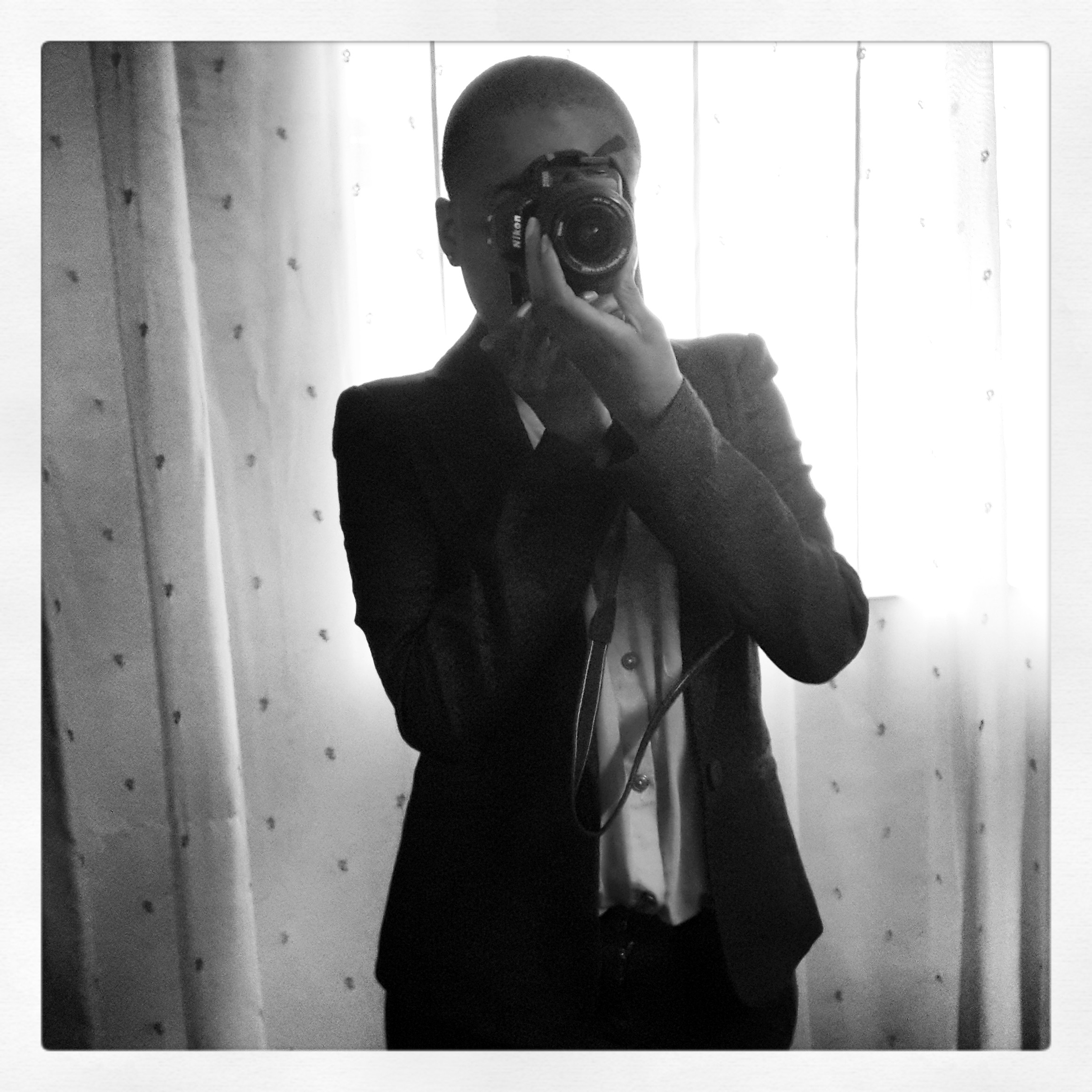
There’s just something really special about capturing a frozen moment in time. A look, a smile, a moment that would otherwise fade from your cerebral structures.
I remember the first time I got to do what I’d seen my dad do time and time again. I begged to get a disposable camera that I could take along to my very first school camp. It was yellow and black and the most valuable thing I had ever owned. I was only ten so most of the pitcures were a mess.
Early morning shoot at the Chinese Police Forum. Photo: Pheladi Sethusa
But so began a tradition. Every camp that rolled around saw me getting a little camera to take to camp. For me it was about documentation, about having visual aids that would support the stories I’d tell my family. Getting photos developed was the most exciting part of the experience because by then I had long forgotten what I’d managed to capture and the developed prints would be a pleasant surprise.
I knew I liked photos. That I like taking them, seeing them and being in them.
A few camps later and technological advancement had changed the game up. At about 14/15 digital camera’s had become commercially accessible. Naturally I just had to have one. Who wouldn’t want to see their photo’s seconds after they’d taken them? It didn’t take much convincing to get my dad to buy me my first digital camera.
It was a thing of beauty. All those buttons and things that helped me not to miss.
Suddenly it became about more than smiley group photo’s. It became about landscapes and the extraordinary things that I saw around me. It became about the things that I wanted to capture. The things that I saw and how I saw them.
Over the years as the passion for the workings of the lens has grown, so has the need to do more than just capture frozen moments.
Now I want the composition, the subject and back/foreground to tell a story. To do more than jog my memory. For the narratives to extend beyond the self.
I think that’s what I hope to do. I’m still learning and very keen to do so. Still trying to figure it out.
And just like that another week has come to an end.
I’ve just sent my second draft through to my mentor, I know it’s still messy and needs a lot of work but I feel so much better about this one for sure.
My last submission was a very, very rough sketch, mostly of things to come.
This week was far more productive than last week was. I knew it was getting late for me and my non-story so that lit a fire under my ass.
Unfinished archway at Chinatown, Cyrildene. Photo: Pheladi Sethusa
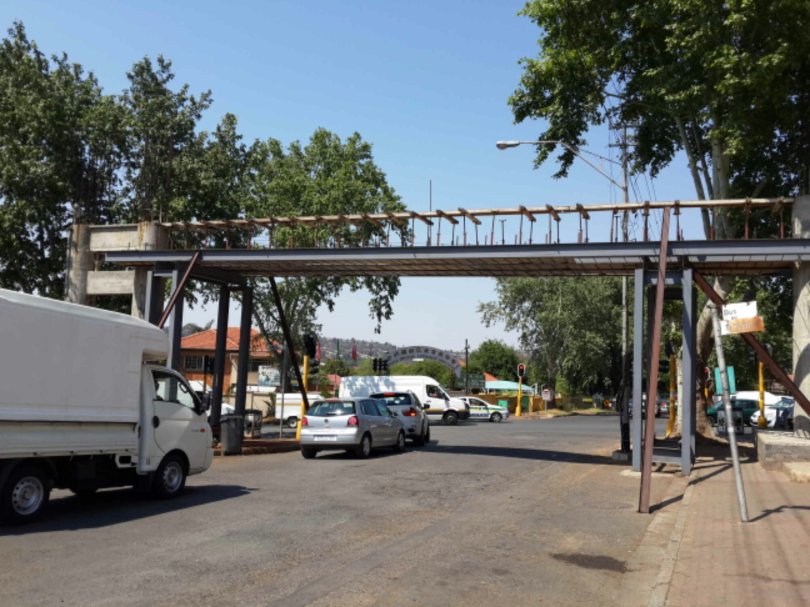
I knew that this unfinished arch in Cyrildene would be the peice of the puzzle that would make my story about development in that area come together, I just didn’t realise how vital this information would be to the rest of my story.
I’m not where I need to be yet but I am getting there I think. This may have been due to an attitude shift. I think a lot of us got over the small obstacles and chose to exhaust all other means of getting what we needed.
For lack of a better phrase, we had ourselves a cup of cement and hardened the fuck up.
The hustle was real this week, it was inspiring to watch and be a part of all at once. Maybe this won’t be the worst time after all.


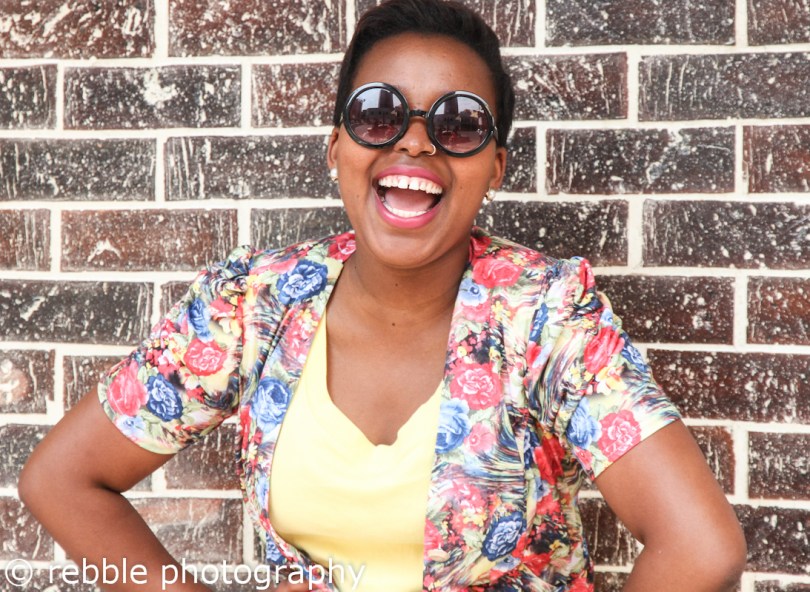
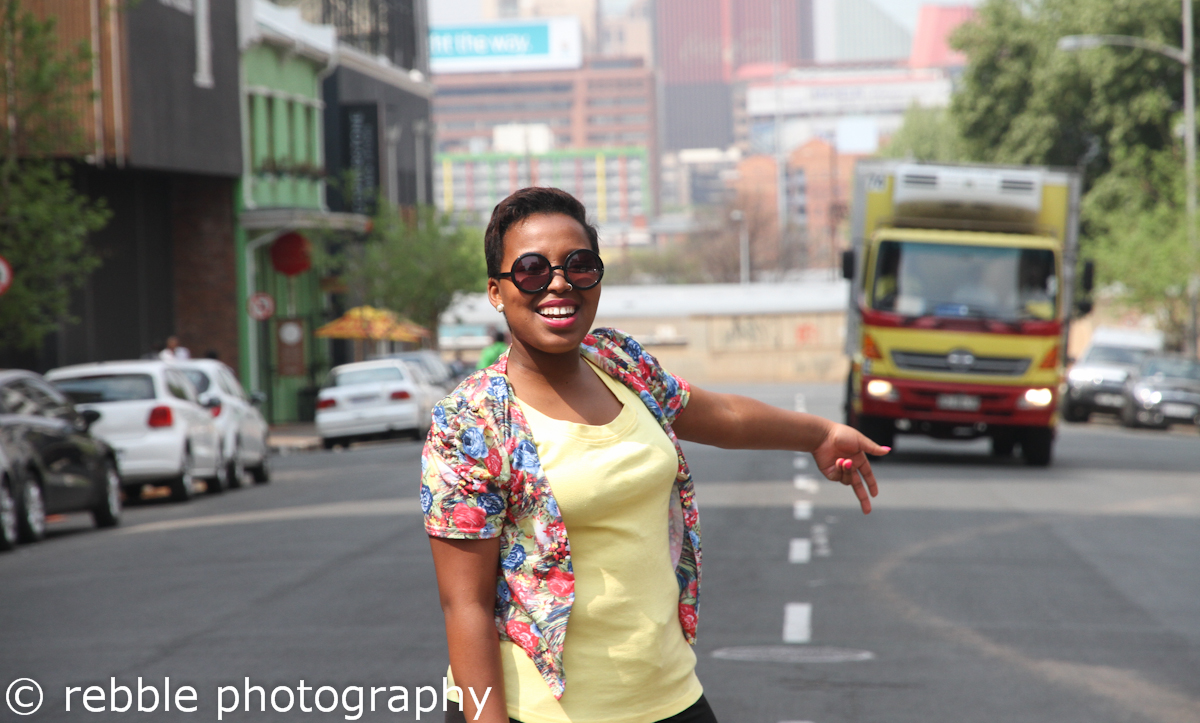


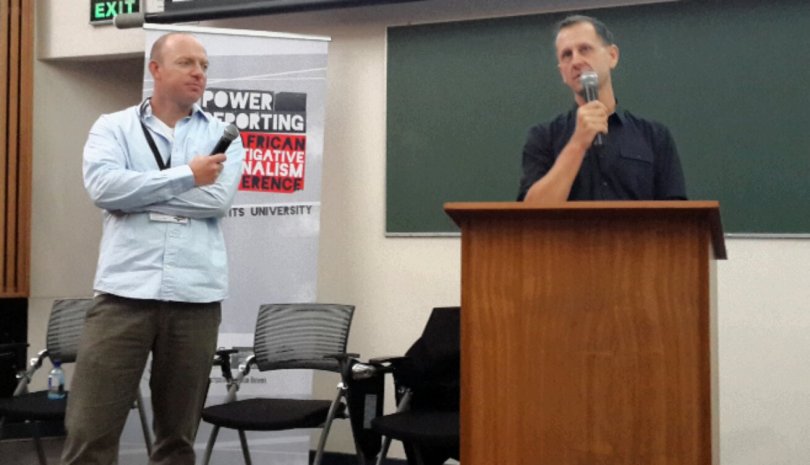

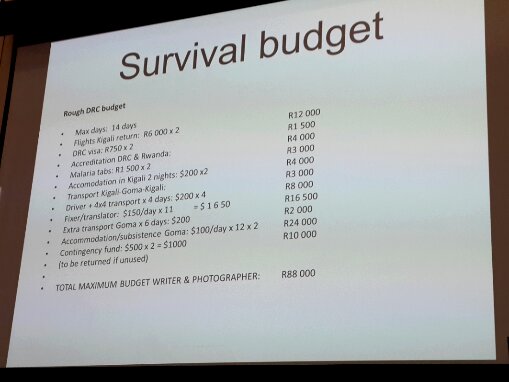
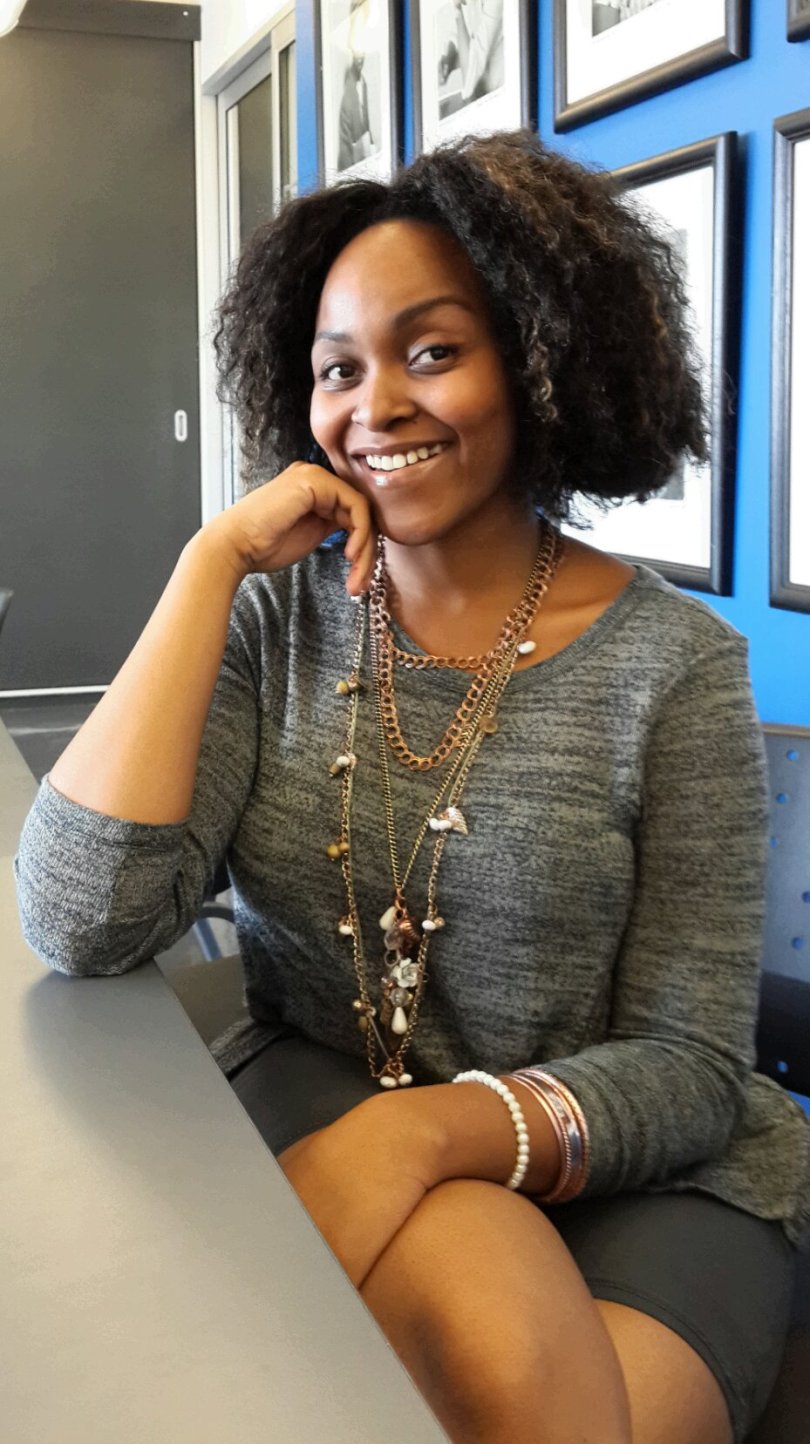

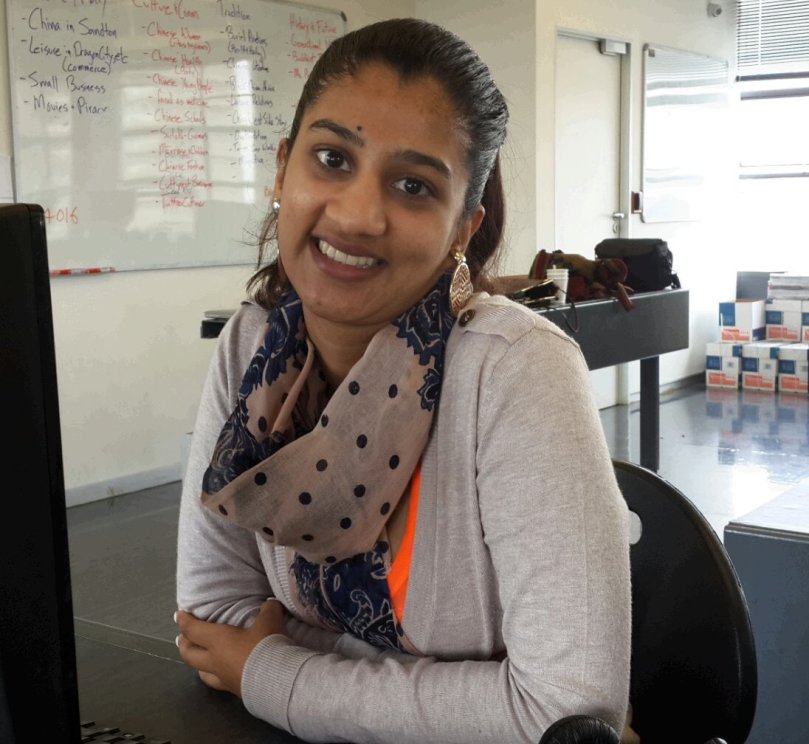

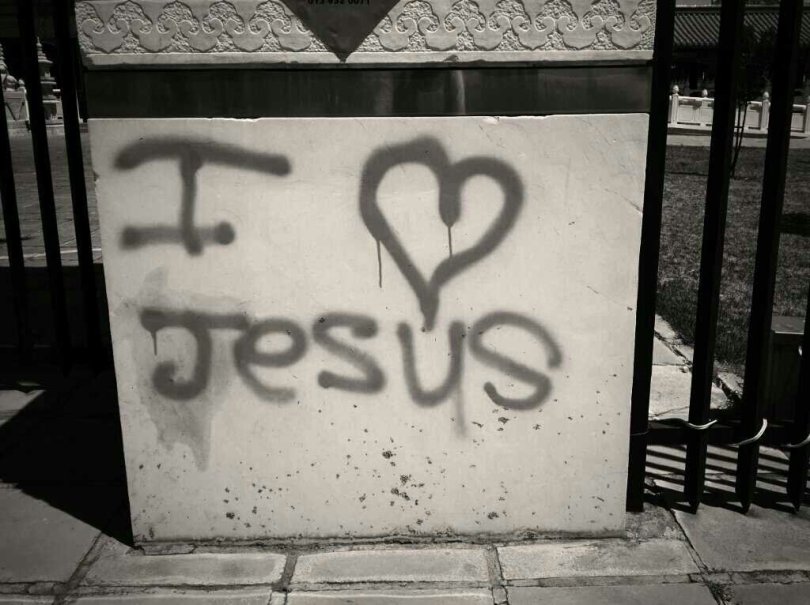
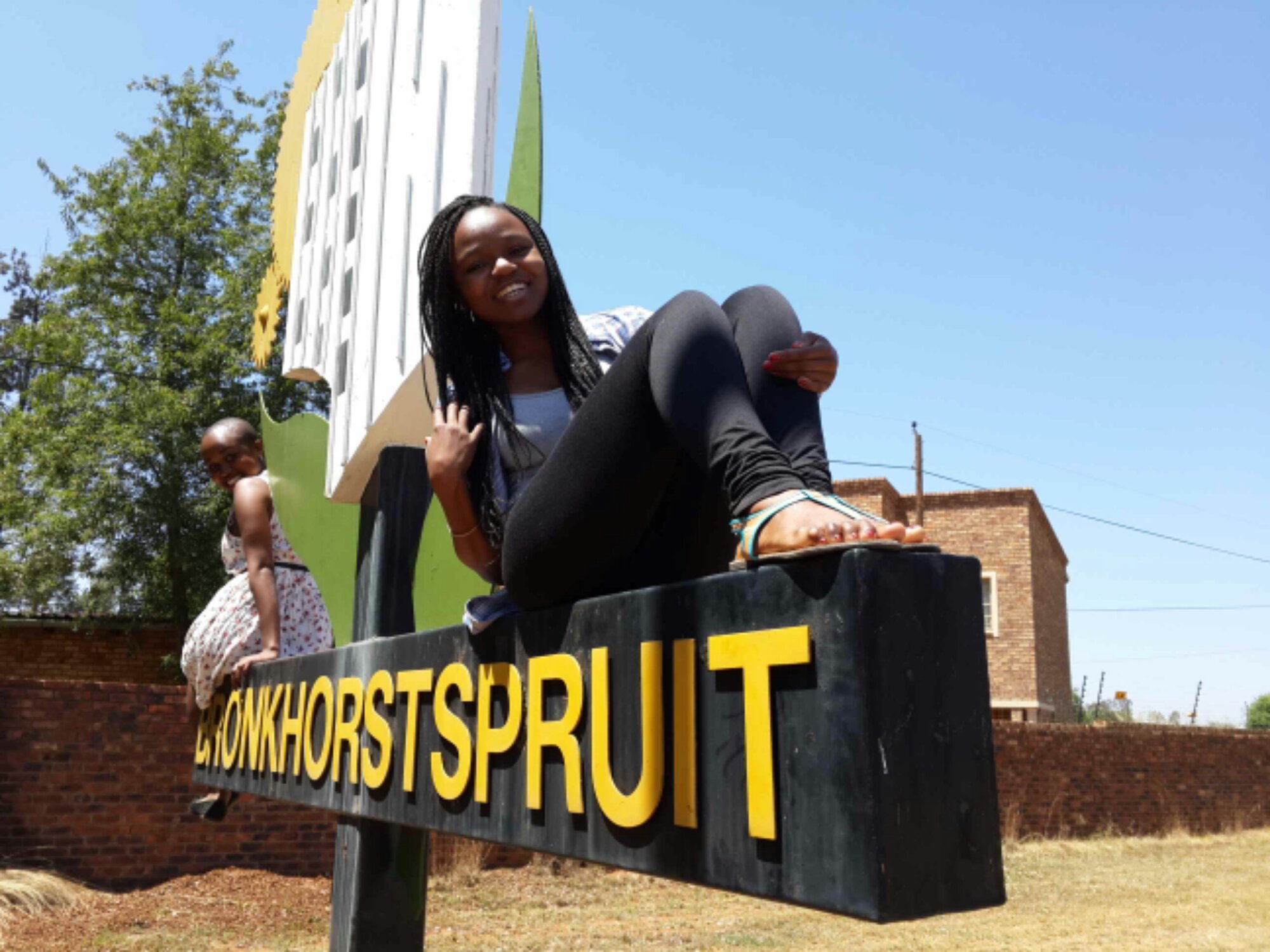
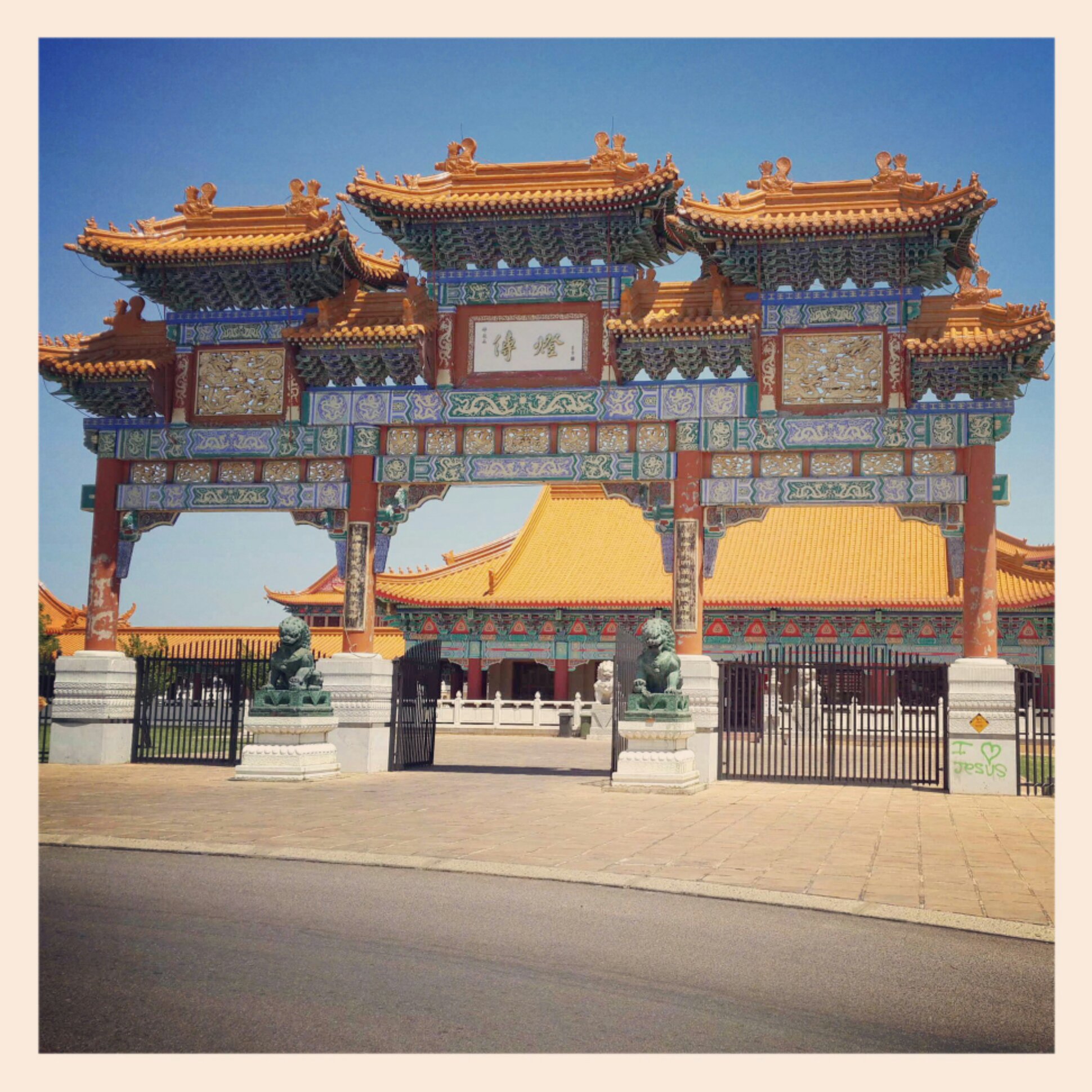

 Photo: Pheladi Sethusa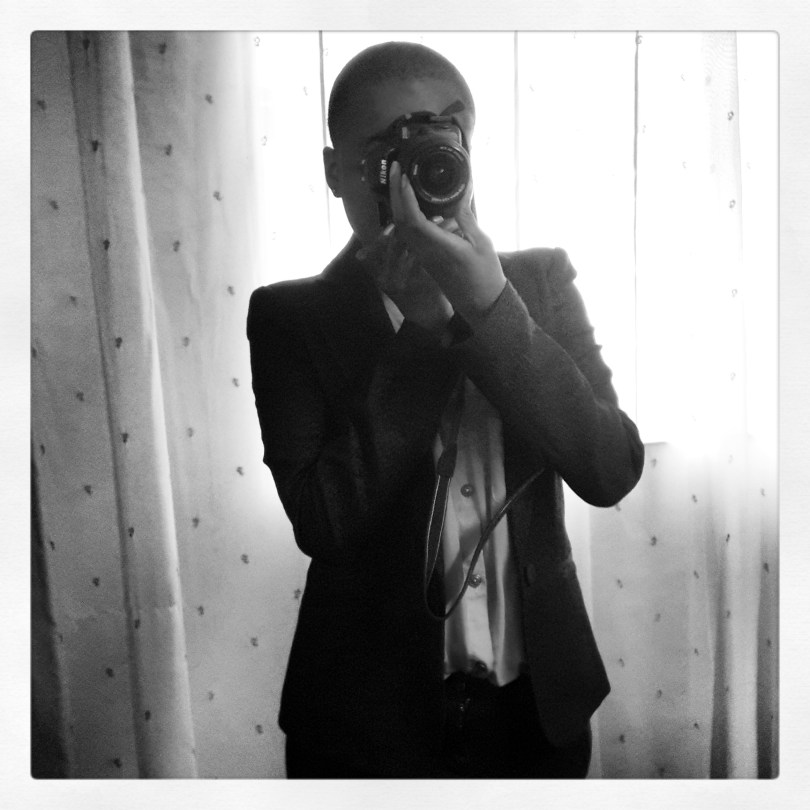

 Write. Snap. Click.