Mother City: Still separate and still unequal in Cape Town

*First appeared on Documentary Weekly on December 10, 2024.

Mother City by Miki Redelinghuys and Pearlie Joubert received its World Premiere at Sheffield DocFest 2024 and our writer Pheladi Sethusa had the chance to see it in Johannesburg during a screening hosted by the Ahmed Kathrada Foundation.

The more things change, the more they stay the same – Jean-Baptiste Alphonse Karr 

It has been thirty years since the end of Apartheid in South Africa, yet the freedoms of democracy remain distant for most. The wonderful, world-renowned rights enshrined in the constitution remain fable-like to the poorest, who still have to fight for even the smallest bit of justice and dignity in their daily lives. 

The fight over and for land in South Africa spans hundreds of years. Key dates for the conquest and theft thereof include but are not limited to 1652 when the first Dutch settlers arrived on our shores, 1913 when the Land Act formally restricted land ownership of ‘non-white’ peoples (yes, on the tip of Africa, bizarre I know) or 1948 when the ultimate formalisation of exclusion came in the form of Apartheid.

However, the date most people are familiar with when it comes to this country’s history, is 1994, which marked the transition from white minority rule to a fully-fledged democracy. One which was meant to undo the injustices of the past and guarantee basic human rights for all its people.

Sitting in a packed cinema in Johannesburg, at a private screening of Mother City hosted by the Ahmed Kathrada Foundation, one could be forgiven for thinking that for some (read most), despite living in a country governed by ‘their own’, very little had been done to change their fortunes three decades on. The film co-directed by impact filmmaker Miki Redelinghuys and investigative journalist Pearlie Joubert, has been screened to sold-out audiences since it first premiered at the opening night of the Encounters South African International Documentary Festival in June 2024.

Through the life of Reclaim the City campaigner, Nkosikhona “Face” Swartbooi, the story of what dispossession means to those who live and work in the City of Cape Town unfolds over an hour and forty minutes. He narrates his experiences and those of his fellow activists and reclaimers at Ahmed Kathrada House in Green Point and Cissie Gool House in Woodstock. The social movement operates under the slogan: “Land for people not for profit”, and has sustained two of the longest-standing occupations of vacant buildings in the city centre since 2017. 

It is not a first-person documentary, but the filmmakers’ intimacy and proximity to the activists makes one experience it as such. The time spent in internal strategy meetings, inside reclaimed buildings, and in public confrontations with politicians helps put viewers in the heart of the fight for affordable social housing in Cape Town. Shot freehand and off the shoulder for the most part, authenticity is quickly established and maintained as the film ebbs and flows through dense legal challenges and heartbreaking personal narratives.

The film confronts the legacy of Apartheid spatial planning, town planning which deliberately and forcefully removed Black, Coloured, Indian and Asian people from city centres and suburbs to the outskirts. Close enough to provide reliable, cheap labour but far enough that when the work was over, they remained out of sight. The areas people were relocated to were often derelict and devoid of access to services – a fact that remains true today.

The people who live in these two buildings are ordinary South Africans who had until the occupation remained financially and physically locked out of formal housing ‘opportunities’ (as the government calls them) by being held on stagnant housing lists. South Africa is one of the most unequal countries in the world, and that still largely manifests itself across racial lines. The monthly minimum wage in the country is about R 5 400 ($315), while the average rental for a one-bedroom apartment in the city of Cape Town is R 9 370 ($547). For anyone who lives outside of the City Bowl, transport ranges between R2 000 ($116) and R4 000 (233) a month. It’s clear that the math ain’t mathing and that this financial exclusion is segregation by another name. 

From start to finish, people desperate for change and dignity are met with “be patient” from deflecting politicians, “this is not how it’d done” from irritated locals, and “move, now” followed by undue violence from angry property owners. The housing problem highlighted by activists builds in intensity through their sustained action (occupations and protests) and the city’s inaction as the film comes to a devastating and ultimately fatal climax at the hands of chronic neglect. 

One of the most affecting cinematic devices in the documentary is the original score by Edward George King and Charl-Johan Lingenfelder. It swells and quiets in all the right places, making incredibly difficult and traumatic subject matter easier to wade through on the back of its accompaniment. Coupled with the six years of careful and intimate documentation of the movement, this film serves as a witness to the violence of poverty, inequality and systematic racism. It asks those watching to move beyond passivity and indifference about an issue that seemingly doesn’t affect them, to consider human dignity as an unequivocal right they can play an active role in securing for themselves and others. 


Screenings of the film are updated regularly:
https://www.mothercitydocumentary.com/

Grain meet blur

Finally developed another roll of film – averaging about a year a roll – lol. Have just bought some more film so hoping to change this habit quite quickly and take my camera along on every adventure, big or small, I embark on in the next few months.

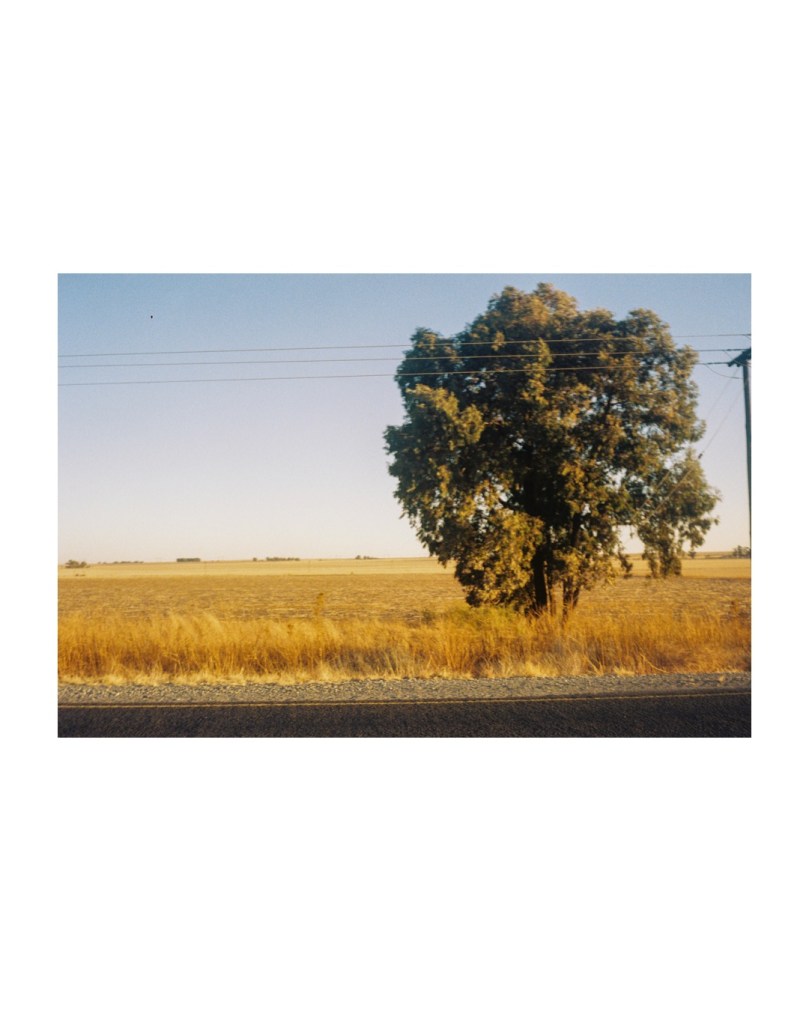
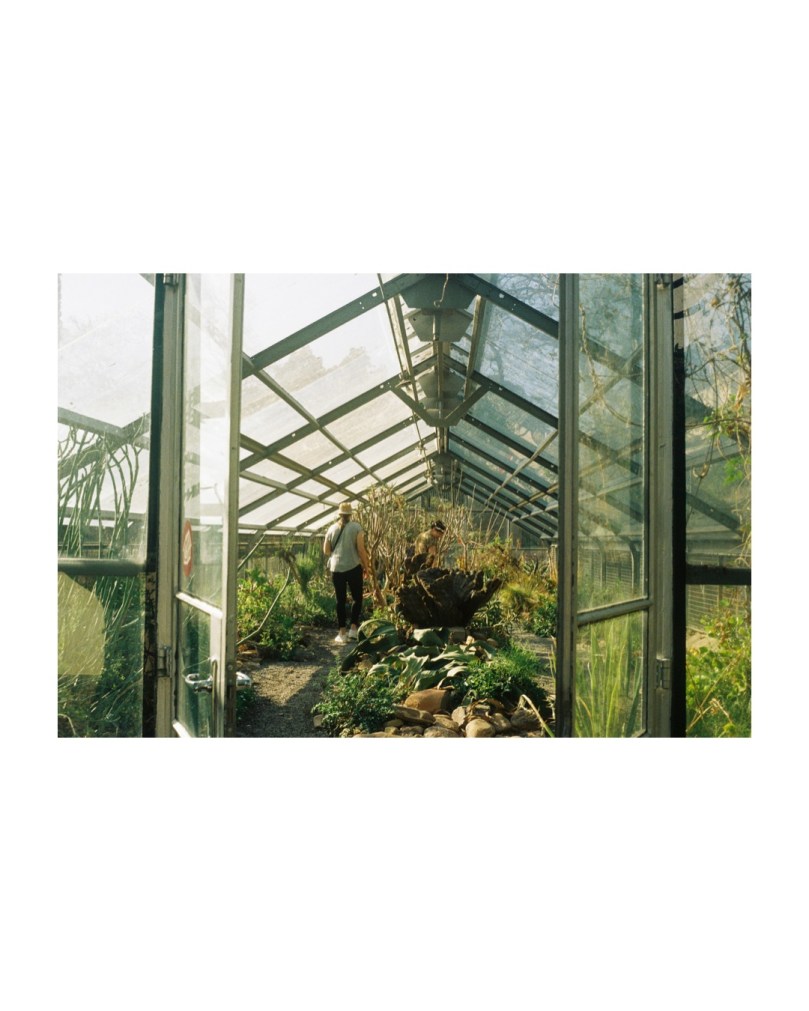
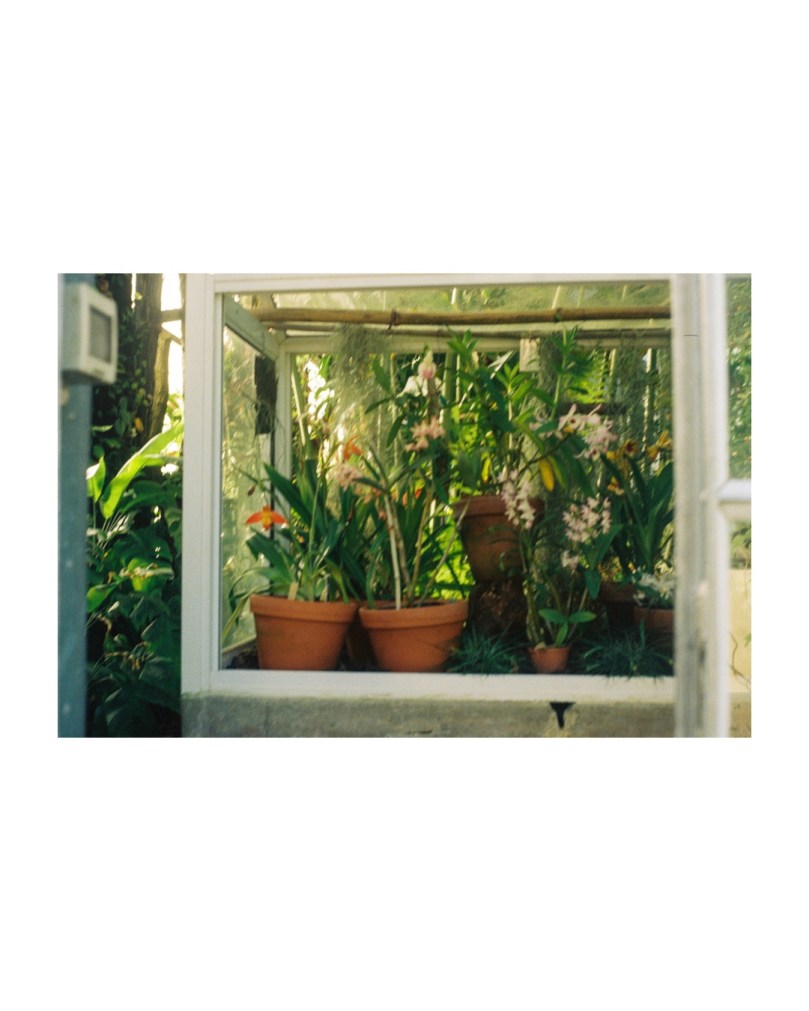
This roll covered quite a bit of ground, it travelled with me to a speed dating event, a road trip and girls’ weekend away in the Vaal, an especially magical few days in Cape Town, a side quest to a botanical garden at a conference in Stellenbosch and a final trip with my class of postgraduate students at Constitutional Hill. Very different but very special memories.

I love how much more selective I am when shooting on film, and which moments feel special enough to etch onto film, I’ve missed the intimacy with memory this brings. Additionally, the imperfection in some of my frames feels almost signature and unshackles me for a moment from the obsessive need to have the right f stop, focus and ISO with each shot – something I am trying to unlearn as I shift between shooting on an SLR and my film camera.

Back to basics

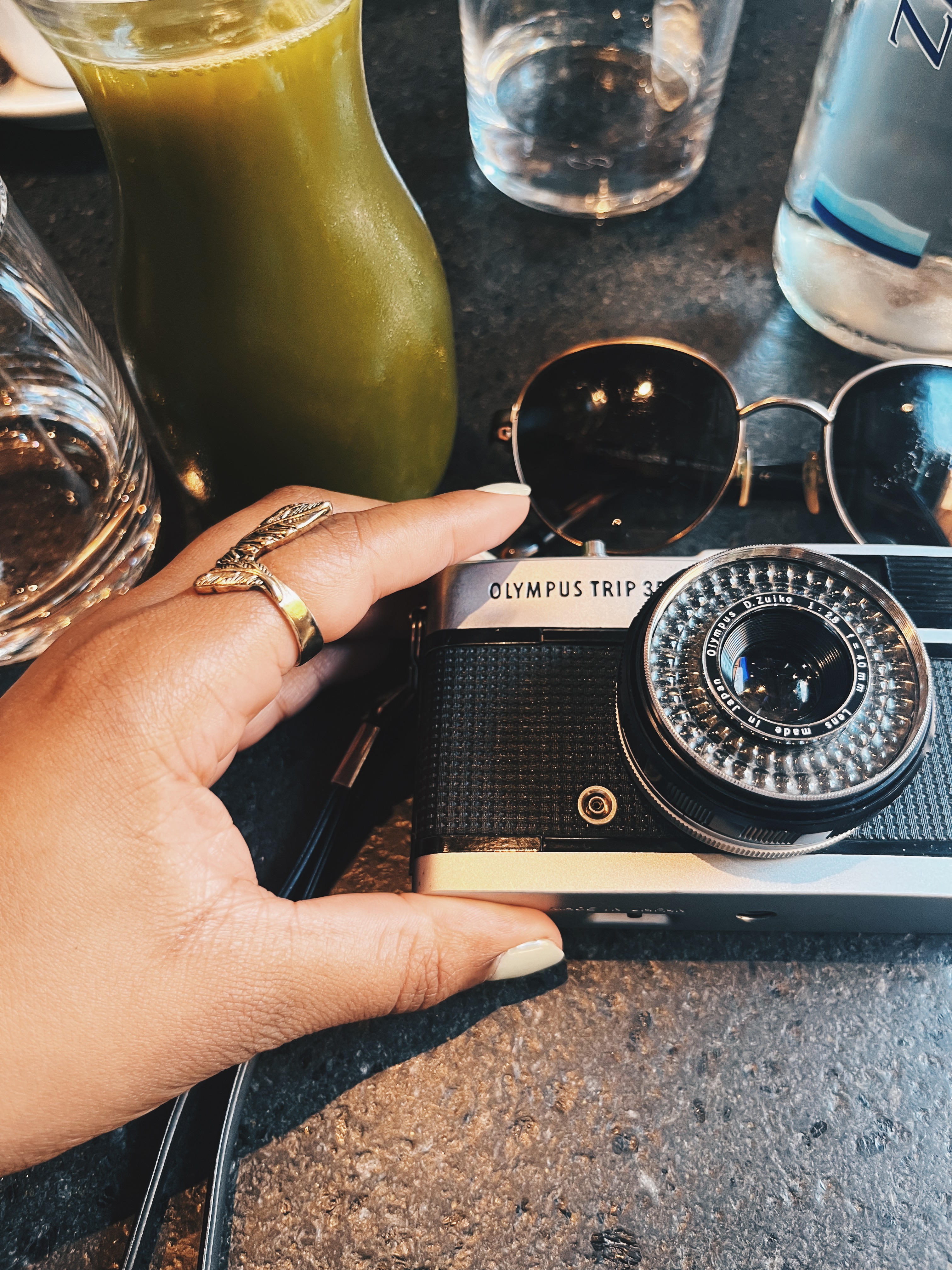
Taking photos for fun and for work used to be a huge part of my identity, and in the busyness of life I have let that part of me slide into the shadows as other pursuits took centre stage. That has meant giving up the joy that used to come with shooting and editing photos as well. Until I spotted this little beauty on sale last year.

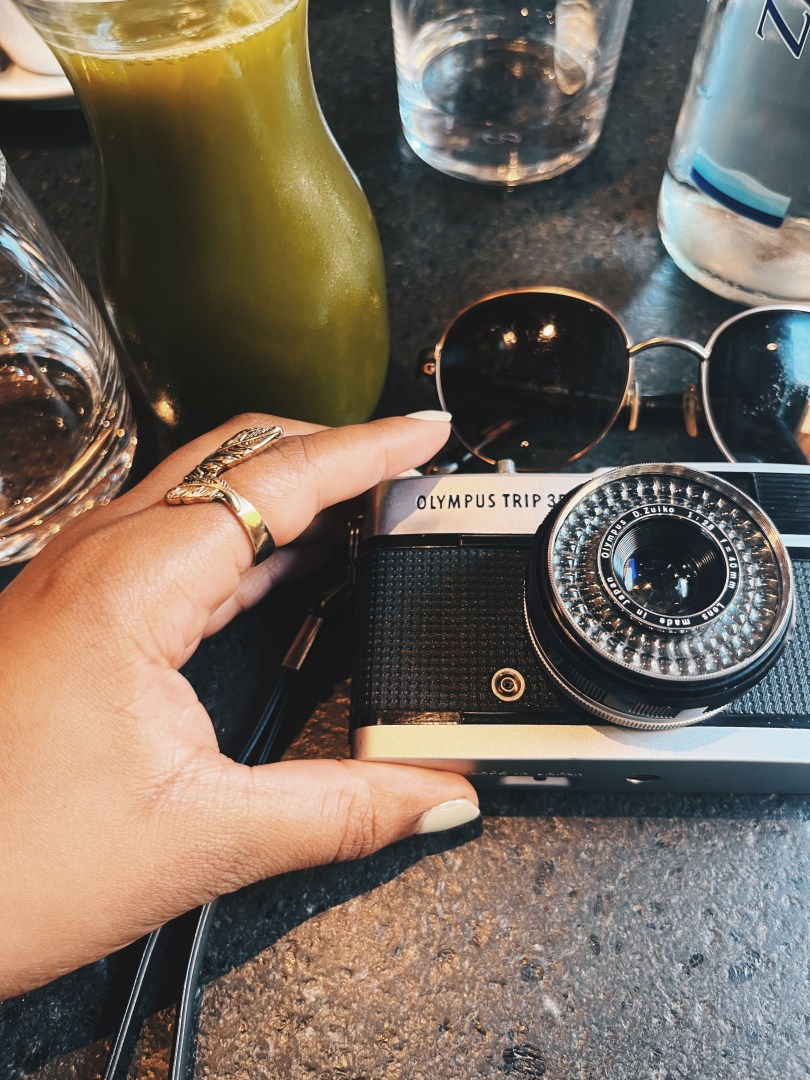
My Olympus Trip35

An account I follow on Instagram, 35mmbyloosechange, routinely sells previously loved cameras, accessories and film. I started following the account after a print and swap event I attended with the idea of going back to shooting on film someday. I say go back because the last time I had a film camera was well over 16 years ago when I was in high school. I had done zero research when I bid on the camera when it came up for sale in a post and figured this would be a perfect way to start shooting again in a slower, less perfection driven manner.

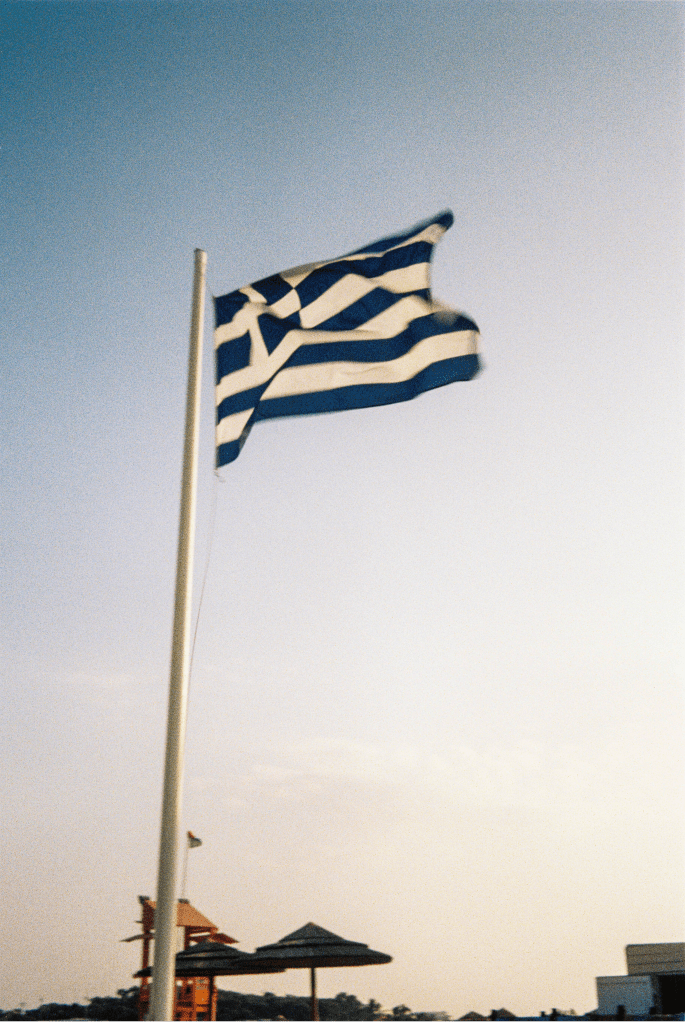
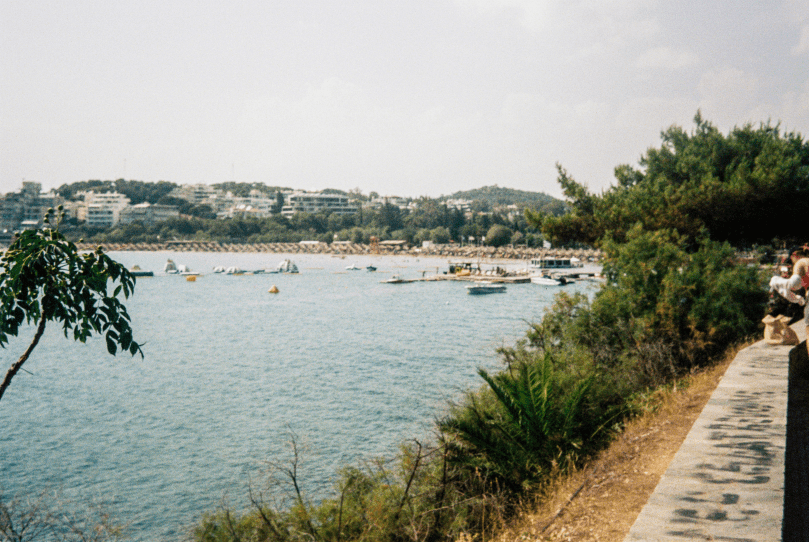
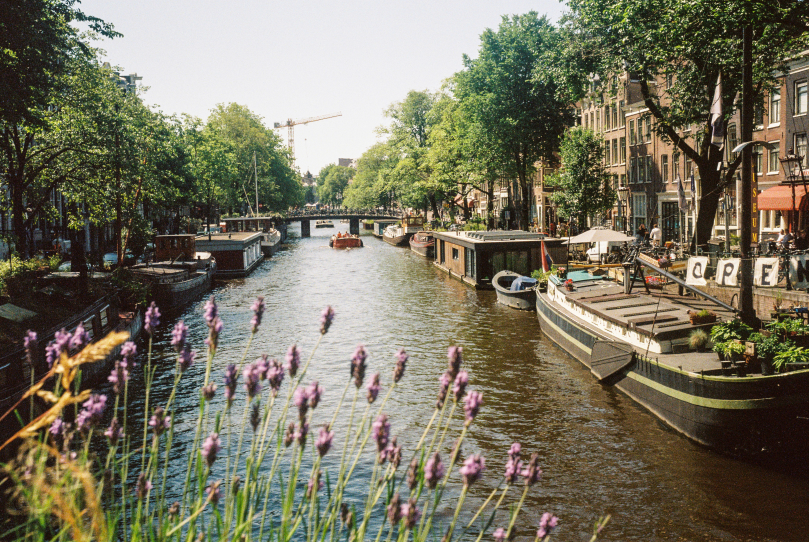
The past few months with with camera have forced me to take my camera out with me more and think in moments more than frames when taking analogue photos. What I mean by that is fighting the urge to take photos that would be aesthetically pleasing for the consumption of others on my timeline, and instead just freezing moments I knew I wanted to freeze because they made my heart happy. My first colour roll was a trip I took with friends to Greece and Amsterdam.

My second roll of film was shot on black and white film, or so I thought. Turns out I loaded the roll incorrectly which returned a blank roll when I went to get it developed months later through Cape Film Supply. Bummer, but lesson learned. I am new to this, so giving myself for the mistakes and missteps I will be making as a relearn this analogue medium.

Women in mining

A couple of months ago I went to the very first premiere of something I made. It was a real premiere replete with a red carpet, popcorn and a screen big enough to have to tilt your head back slightly to watch the documentary film.

The untitled project is a short documentary that attempts to tell a the brief yet compelling story of women who work in the mining industry. It was a commission for Women in Mining South Africa (WiMSA), a non-governmental organisation that through policy, lobbying and mentorship fights for for the inclusivity and empowerment of women in the sector.

The very short trailer is glimpse into what we cover in the 30 minute runtime and has more information where to watch the full version in the caption.

Trailer

Being a two person crew was both challenging and deceptively easy. For this project I worked with a friend and colleague, Lesedi Molefi. I think we got a lot more done and done quicker because of this dynamic but we were both keenly aware of how much better work we would have been able to produce if we had more resources. That said, starting with what you have, where you are remained the guiding principle.

What I can say about this first little documentary of mine is that it tested me in ways I have grown to appreciate. It is my first and I have to constantly remind myself of the fact that it is an experiment, one I will learn and grow from. Am I proud, absolutely! Do I have a way to go, absolutely! It’s taken me a while to share because I had to work my up to believing this myself.

School’s out, now what?

If you had told me a week or two ago that I would be wracking my brain over whether or not to leave the UK six months into my degree, you would have got an unequivocal no from me. I still have so much to do right? A podcast to finish, two documentaries to shoot, concerts to attend, so much travelling to do here and in Europe.

But the situation has changed – drastically so and it still changing . So to put this all in context, I am studying towards my master’s degree in Digital Documentary at the University of Sussex. As the degree name suggests it is a practical heavy and intensive course which is exactly why I chose it. I wanted to sharpen and hone my skills behind a camera lens again and hopefully use what I had learnt to take my journalism career on a slightly different path, not a complete off-ramp, just an on-ramp to a different highway lets say.

6c7Bpq0eRLadLty13X3rAg
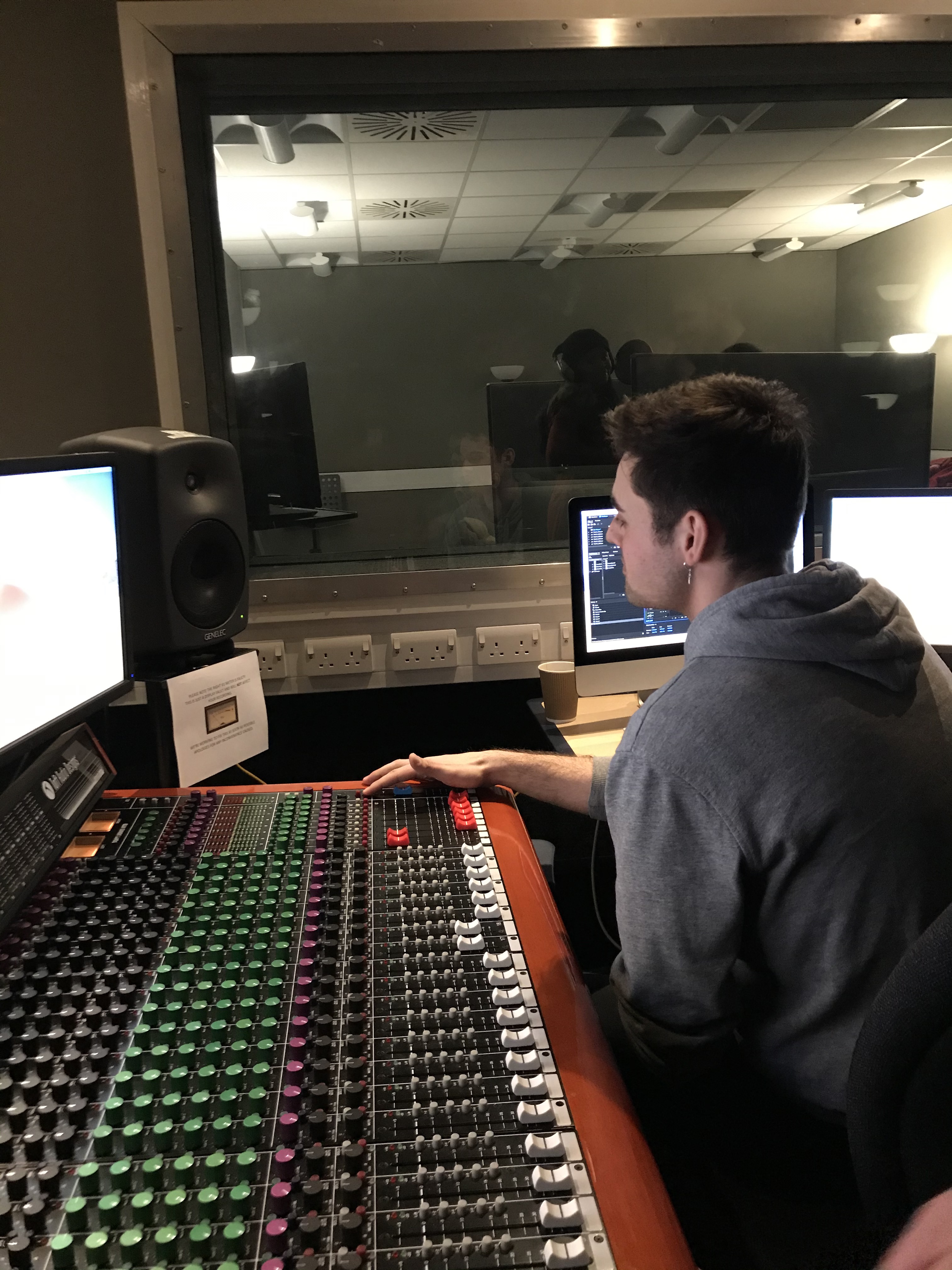
Our podcasting class in a practical session in the foley studio.

Anyway, my studies got underway last September with a slight disturbance at the end of November when academic staff went on strike for a week and a half, but other than that, all hunky-dory. We had access to a state of the art foley studio, photography and filming studio, edit suites and a fully kitted equipment store which we could take advantage of 24/7. The new term held the promise of building on what we had learnt, adding to our technical proficiency and hopefully producing work worthy of watching and listening to. My subjects this term are podcasting and short documentary and I was super excited to dig in, learn and grow. But three weeks in that enthusiasm was tempered with the announcement and commencement of another round of strikes – this time for four weeks. Luckily for one of my subjects, neither of my two tutors were striking so we continued to attend those classes when we could, on and off-campus. While all of this is happening the coronavirus infections in the UK are growing, slowly but steadily. But nothing is amiss, we all bought hand sanitizer, washed our hands and kept travelling, drinking and eating together.

Eventually the strike ends and the first day (last Monday) we are meant to resume classes, contact classes get cancelled for the rest of the academic year. As in the last time we were in class (weeks ago) was the last time I was seeing my classmates and tutors in person – wild. We get reassured that teaching will continue online and our assessments adjusted accordingly. My immediate thoughts were this is great, the government is finally taking the pandemic seriously, this is a good call. It’s not until a few days later when we are told we will no longer have access to the equipment store and labs we need to produce our practical assignments that my brain starts breaking. How is one to film without equipment? My phone, my own little DSLR? Surely not, that goes against the dream we were sold, the thing we came here for. I start to think of the ways in which it might be possible to record via Skype or phone for my podcast; try to think of a way – if any – that I can adjust the documentary projects I had in development. A day after that, people I know start talking about the practicalities of going home. At this point, two of my five roommates have fled to their home countries overnight. It still seemed rash, I felt confident in my “obvious” decision to stay.

A day after that development my scholarship sponsors assured us that they would help facilitate our exits from the UK if we so chose. Some universities have actively encouraged their international students to go home. That’s when I first began to even think that this was an option I would consider. But how in a critical phase of the pandemic here and in my home country? New infections were/are on the rise in both. Deaths were on the rise here. People weren’t all capable of practising social distancing at home. People are unwilling to practice it in some cases. I would be covered if anything happened to me here. I left my medical aid when I left home. I could make others sick in transit or at home. Oh shit, I would have to be on a plane on a train. I haven’t done a lick of work in weeks, will I be able to motivate myself to press on? Social distancing, cool cool cool. Why’s there no toilet paper at the shops? Wow, September is far. June is far. May is far. Can I do it, here? Where would I rather be stuck for the next few months?

These frantic thoughts have raced through my mind on a loop since Friday. I change my mind every hour on the hour, I feel like the window is closing to make and commit to a decision that I can live with. But I just don’t know. This is not about being homesick and just wanting to see my mom, I have to go back home at some point and I can’t imagine it’s going to get easier to try and do that. It’s an impossible choice and I’m going to get judged for it but it’s a choice I’m going to have to make.

Life of former Pollsmoor Prison inmate hits the big screen

“CAPE TOWN– An audience at a special screening at Pollsmoor was brought to tears by big screen images of the tale about life inside the maximum security prison. The story, scripted by the former prison inmate, also details his life on the Cape Flats.”

Watch full story here: http://www.enca.com/media/video/life-of-former-pollsmoor-prison-inmate-hits-the-big-screen

** I loved this movie and think everyone should see it. Beautifully written, masterfully directed and the actors were brilliant in their roles.

Source: eNCA

MOVIE REVIEW: Otelo Burning

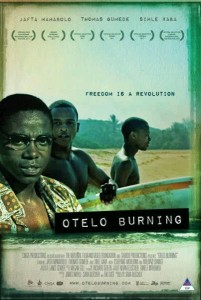
otelo1-201x300I got the opportunity to attend a private screening of this movie on the 11th of April 2012. As soon as we got there, we realised that this movie is a big deal.

As I stood in the line to get popcorn, I was losing my mind at the sight in front of me. Lungile Radu was standing there. Right there, in real life. Not on a television screen. Less than 2 meters away from me. Then just as I got over that excitement I see Jafta Mamabolo who is the leading man in the movie. This was indeed a big night. As I look up from tweeting about my celeb spotting, Ferial Haffajee just casually struts past us. But I digress.

It was a small viewing space, packed with a number of seemingly intimidating people. The movie started off with an intense scene that grabbed all my attention from that moment, right until the closing credits. I really don’t want to give anything away on this one. We should all go out and watch it. What I will say is this: it’s a very different view of the South Africa of the late 1980s/early 1990s. It effectively shows how the apartheid regime managed to seep into all epithets of not only political but social life at the time. It was an inescapable force that incinerated everything it touched.

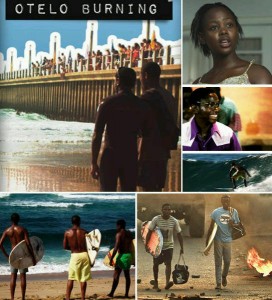
otelo2-272x300It is a movie about freedom. How freedom has multiple meanings and that the attainment thereof is never easy. Tragedy is etched on the face of freedom and vice versa; the two are inextricably intertwined. It has elements of a variety of genres which makes it the rich movie it is. We laughed (a lot), we cried (a lot) but most importantly, everyone in attendance thoroughly enjoyed themselves. It must be said that the acting was amazing. It wouldn’t be as brilliant without that amazing cast. A most compelling performance was given by all and they rightly deserve all the awards that are sure to come their way.

We have so much talent in this country. The only way to nurture it is to support it. So do the right thing and go watch this awesome movie. It will be in cinemas from May 11. There is already an enormous buzz around the movie. It hasn’t even come out yet! Go watch it, you won’t regret it :)

**NOTE: Post first appeared in exPress imPress on May 1 2012.