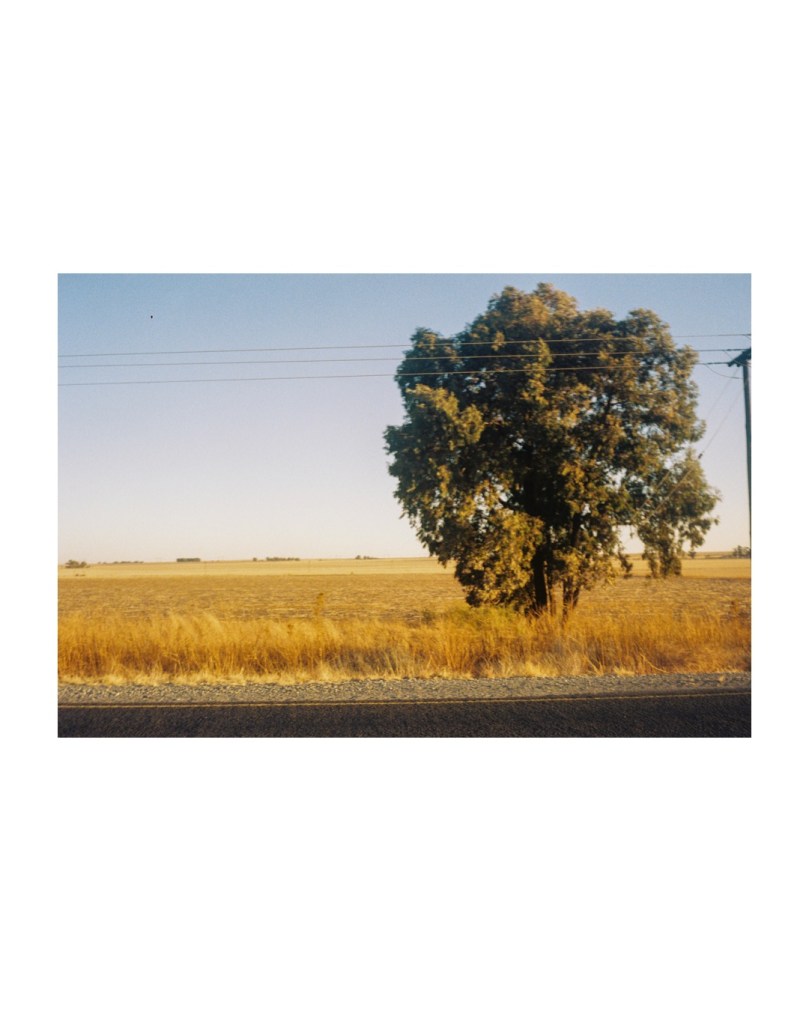
Finally developed another roll of film – averaging about a year a roll – lol. Have just bought some more film so hoping to change this habit quite quickly and take my camera along on every adventure, big or small, I embark on in the next few months.
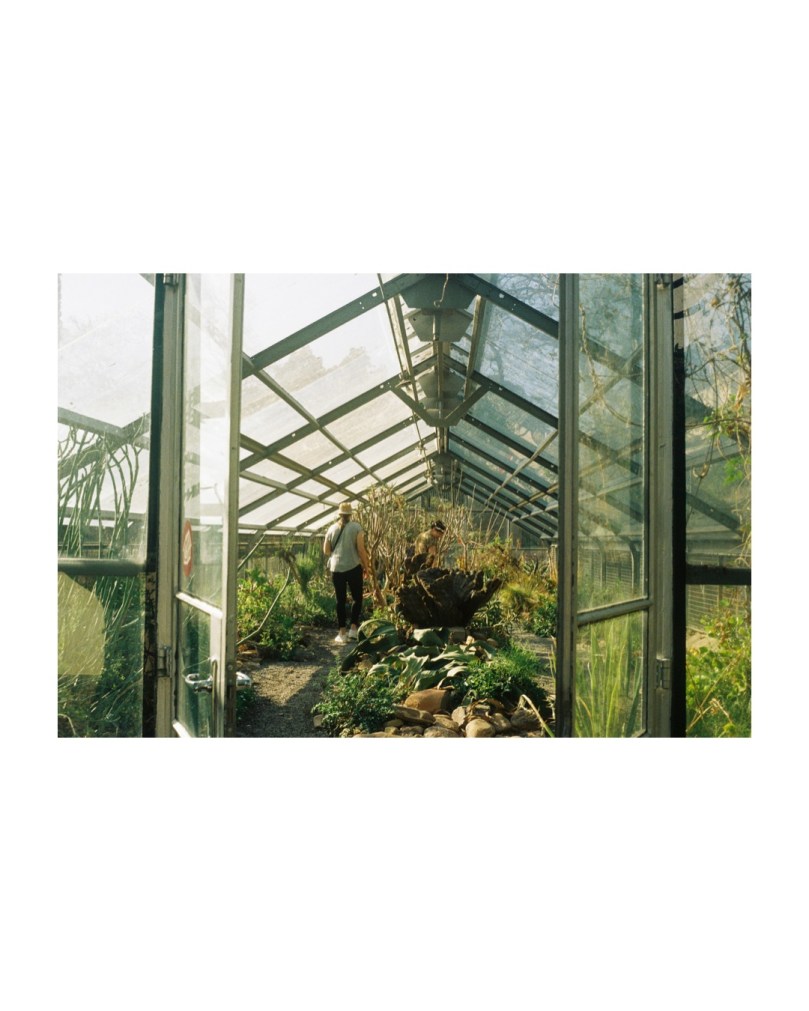
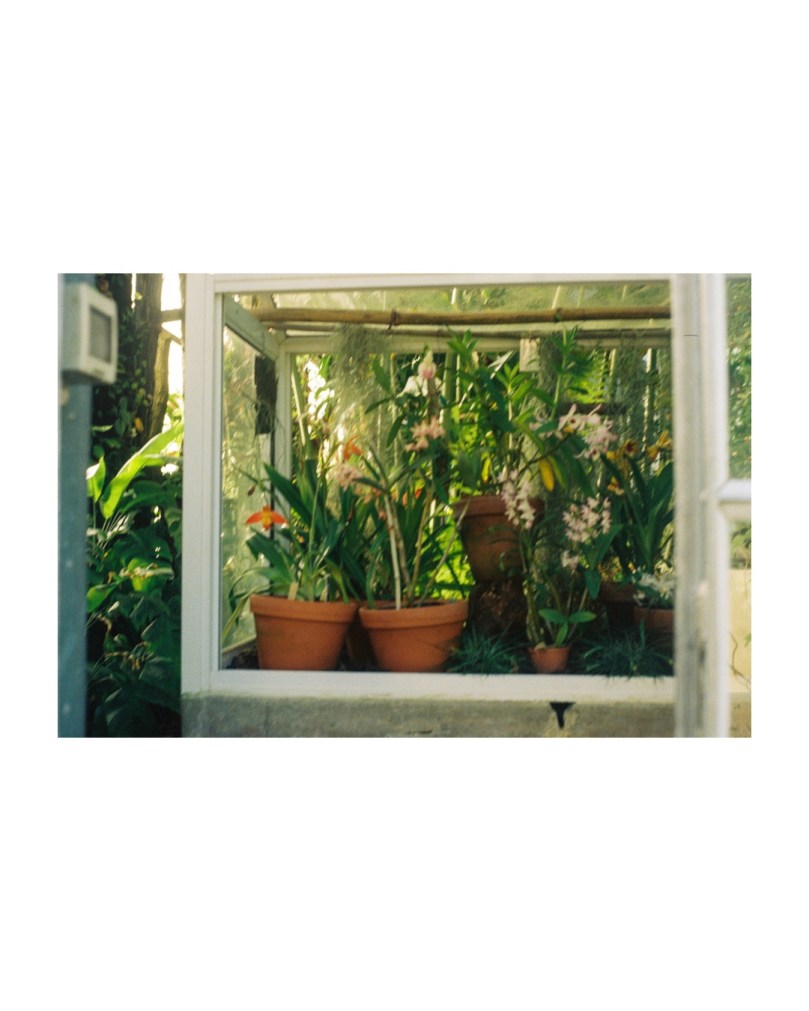
This roll covered quite a bit of ground, it travelled with me to a speed dating event, a road trip and girls’ weekend away in the Vaal, an especially magical few days in Cape Town, a side quest to a botanical garden at a conference in Stellenbosch and a final trip with my class of postgraduate students at Constitutional Hill. Very different but very special memories.
I love how much more selective I am when shooting on film, and which moments feel special enough to etch onto film, I’ve missed the intimacy with memory this brings. Additionally, the imperfection in some of my frames feels almost signature and unshackles me for a moment from the obsessive need to have the right f stop, focus and ISO with each shot – something I am trying to unlearn as I shift between shooting on an SLR and my film camera.
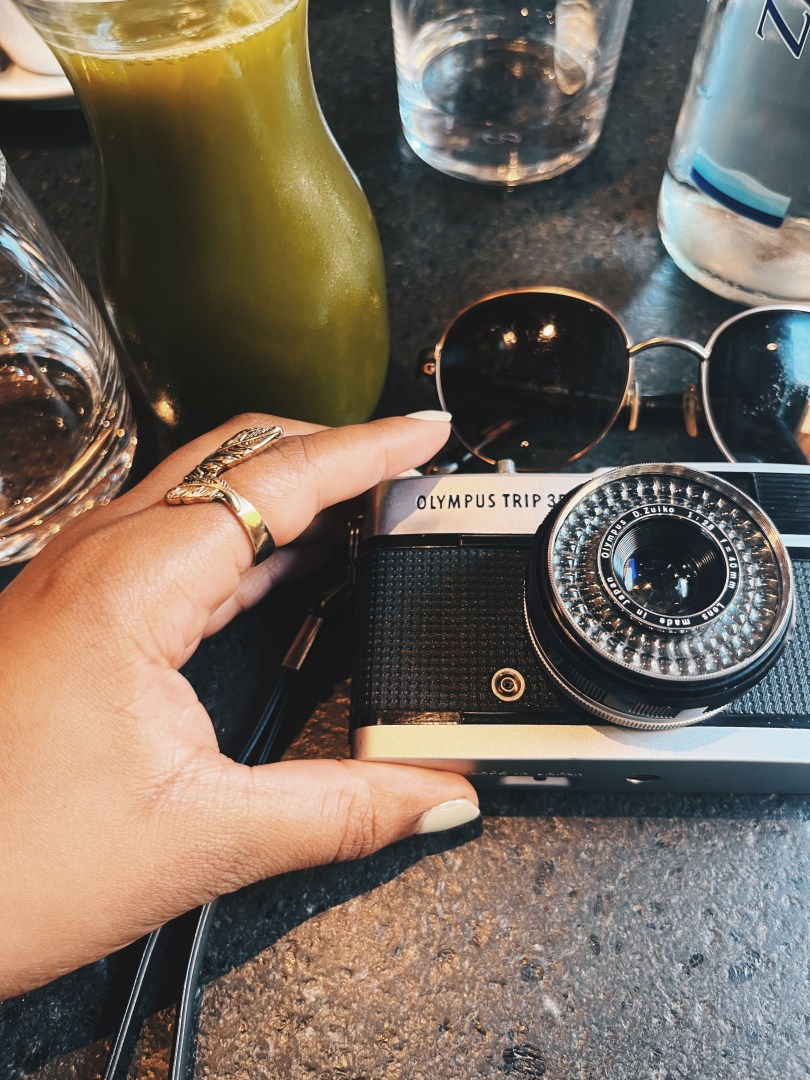
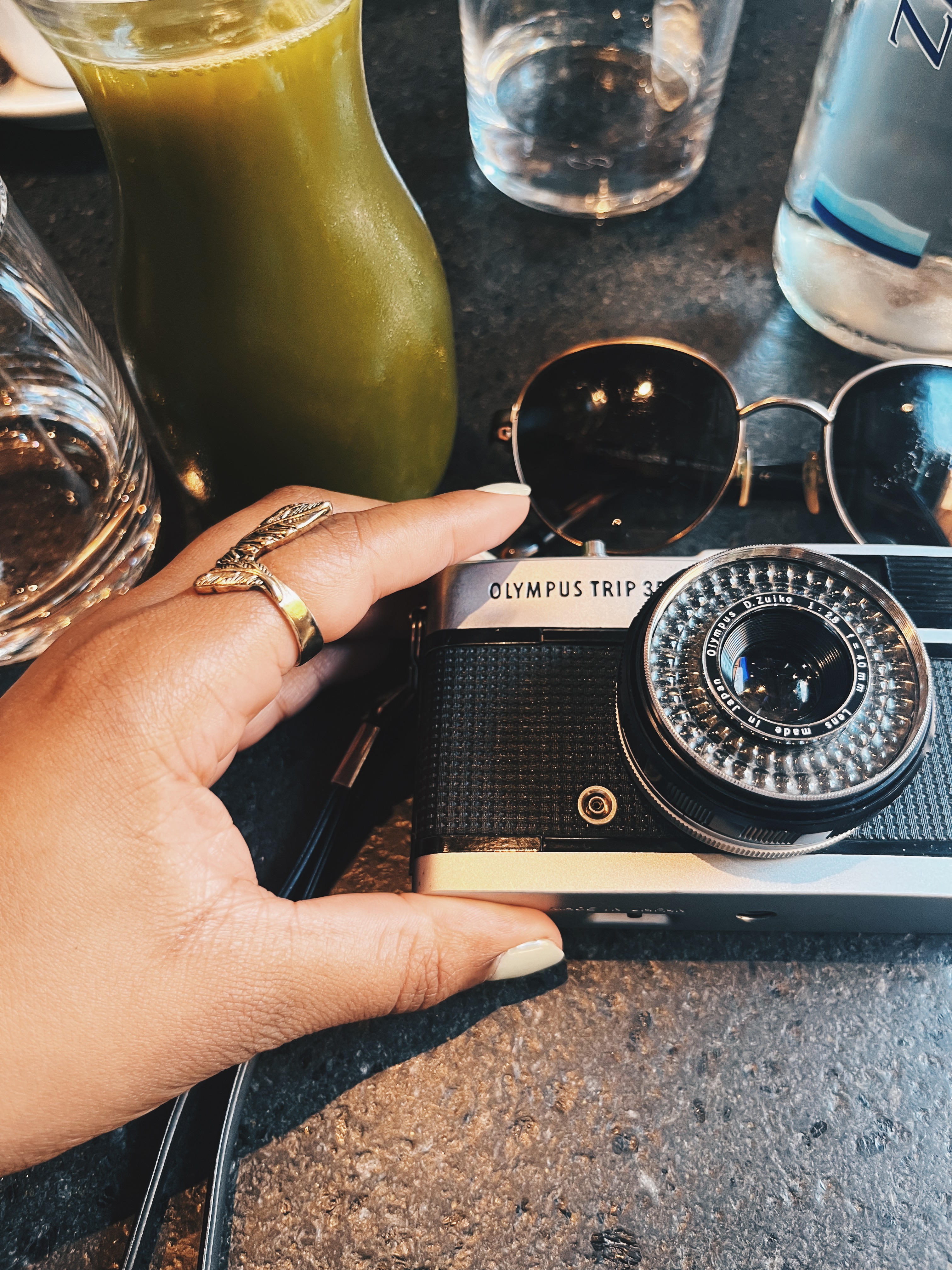
Taking photos for fun and for work used to be a huge part of my identity, and in the busyness of life I have let that part of me slide into the shadows as other pursuits took centre stage. That has meant giving up the joy that used to come with shooting and editing photos as well. Until I spotted this little beauty on sale last year.
My Olympus Trip35
An account I follow on Instagram, 35mmbyloosechange, routinely sells previously loved cameras, accessories and film. I started following the account after a print and swap event I attended with the idea of going back to shooting on film someday. I say go back because the last time I had a film camera was well over 16 years ago when I was in high school. I had done zero research when I bid on the camera when it came up for sale in a post and figured this would be a perfect way to start shooting again in a slower, less perfection driven manner.
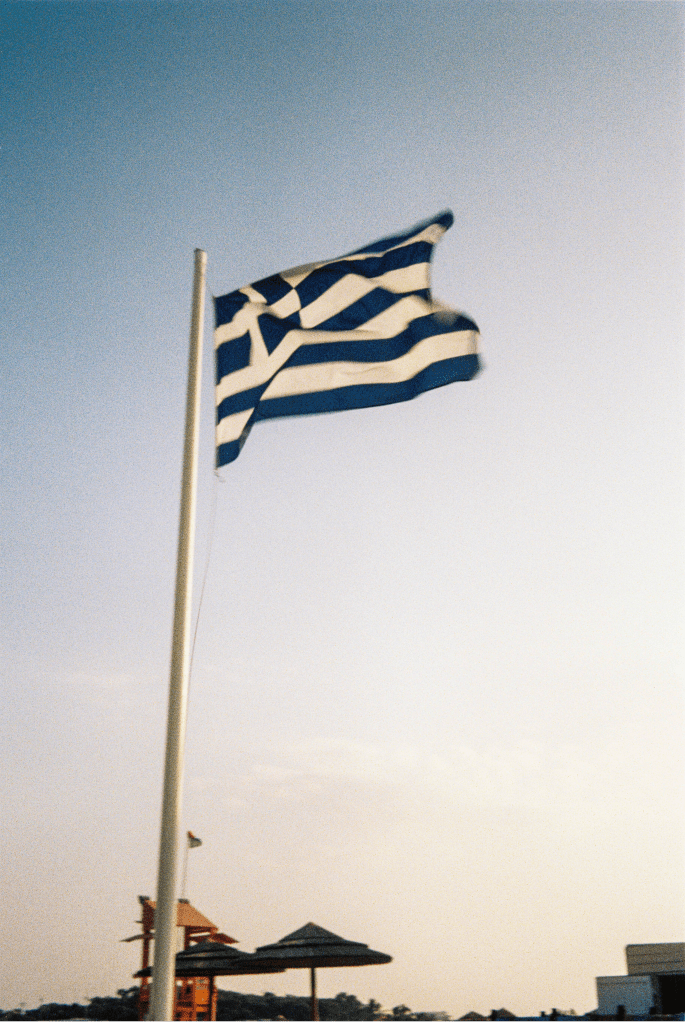
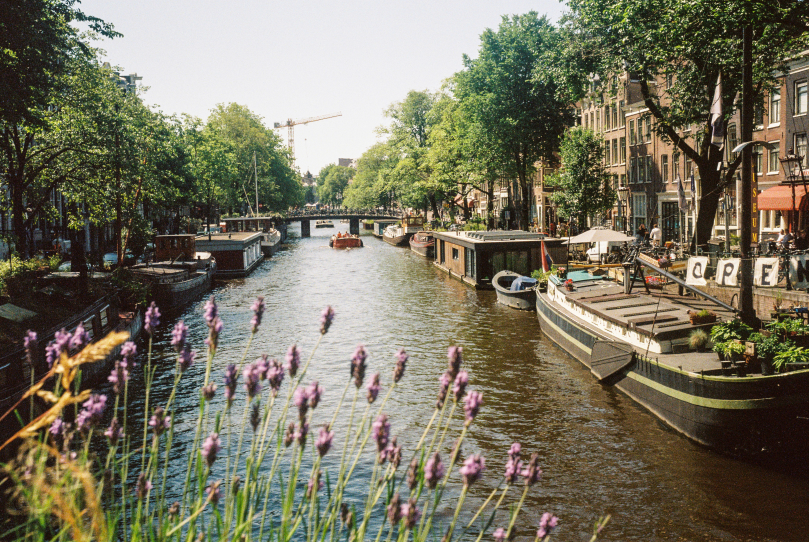
The past few months with with camera have forced me to take my camera out with me more and think in moments more than frames when taking analogue photos. What I mean by that is fighting the urge to take photos that would be aesthetically pleasing for the consumption of others on my timeline, and instead just freezing moments I knew I wanted to freeze because they made my heart happy. My first colour roll was a trip I took with friends to Greece and Amsterdam.
My second roll of film was shot on black and white film, or so I thought. Turns out I loaded the roll incorrectly which returned a blank roll when I went to get it developed months later through Cape Film Supply. Bummer, but lesson learned. I am new to this, so giving myself for the mistakes and missteps I will be making as a relearn this analogue medium.
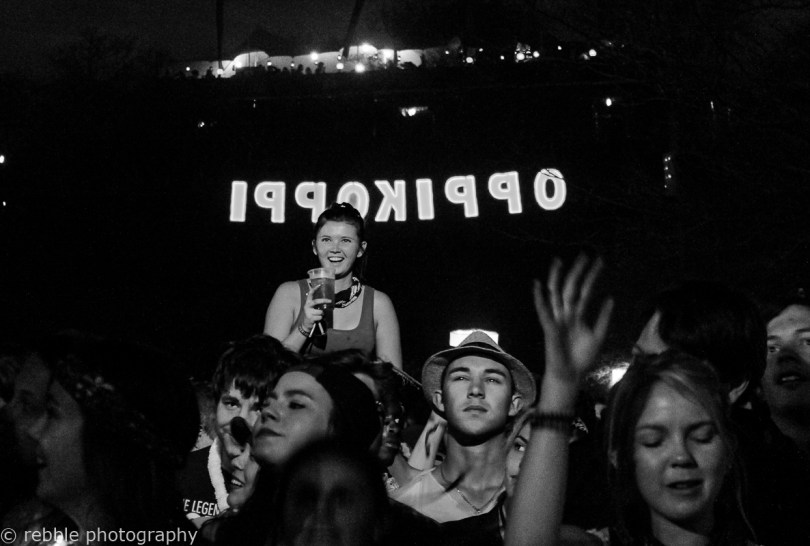
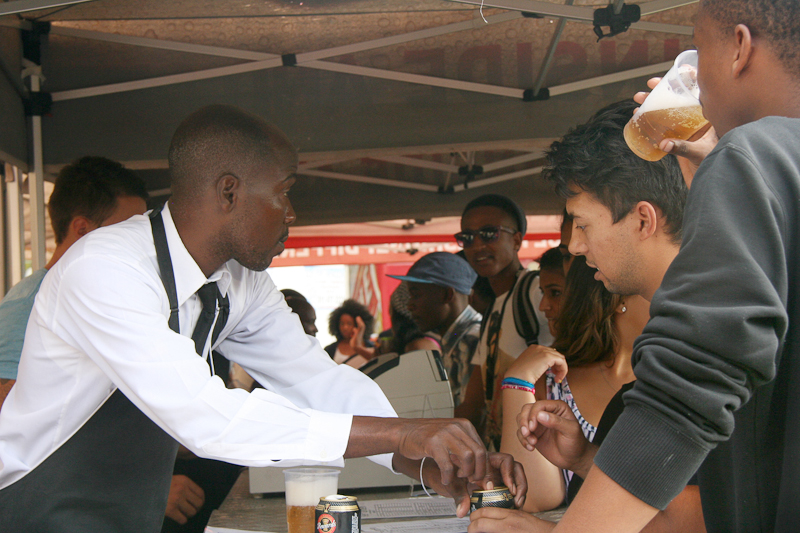
This year I headed out to camp out in the bush again for the 20th year of Oppikoppi. These are some of the photos I managed to take at some of the performances I watched.
NOTE: Article first appeared in The Citizen newspaper on August 14, 2014.
Sitting on a black leather couch in a tent on a farm in Limpopo, 42-year-old singer-songwriter Chan Marshall – also known as Cat Power – shared some intimate details of her life.
Marshall had just come off stage after her first appearance at Oppikoppi on Saturday, a performance on the Bruilof stage that saw fans shout words of encouragement when the sound equipment was not working properly.
Cat Power (Chan Marshall) on the Bruilof stage at Oppikoppi Odyssey on 09/08/2014. Picture: Pheladi Sethusa
Between constantly apologising for the staccato nature of her performance, Marshall had to change the sound on the amplifier, sing into two microphones and figure out how to work a keyboard she had never played by herself – a visibly nerve-racking experience.
“I always have stage fright,” she says.
It’s a situation that’s not entirely foreign to Marshall, though in the past her erratic performances have been attributed to problems with alcohol and drugs. “People used to say ‘Oh, did you go see the train wreck?’” she says.
She does admit to having had a drug problem a while ago after her partner passed away.
“I chose it every day and I knew what I was doing every day. It wasn’t me being oblivious. I was riding that train because I couldn’t take the pain of losing the love of my life.”
Marshall wished the women in the audience a happy Women’s Day while on stage, and spoke about feminism afterwards.
“A lot of times women don’t have the simple, casual dignities that men have as their birthright,” she says.
“I’m called a feminist because I protect myself from someone else trying to get something from me,” she says.
Marshall’s latest album, Sun, was produced independently, using the singer’s life savings.
“I had to make a choice between what the label wanted me to do and what I knew I could do myself, and the album made the top 10,” she says.
She performed at the Baxter Concert Hall last week, a performance she had asked for in December when she came back after Nelson Mandela passed and she witnessed “social change” that inspired her.
Marshall intends to return to Cape Town next January to write about the experiences she has had in the city over the years.
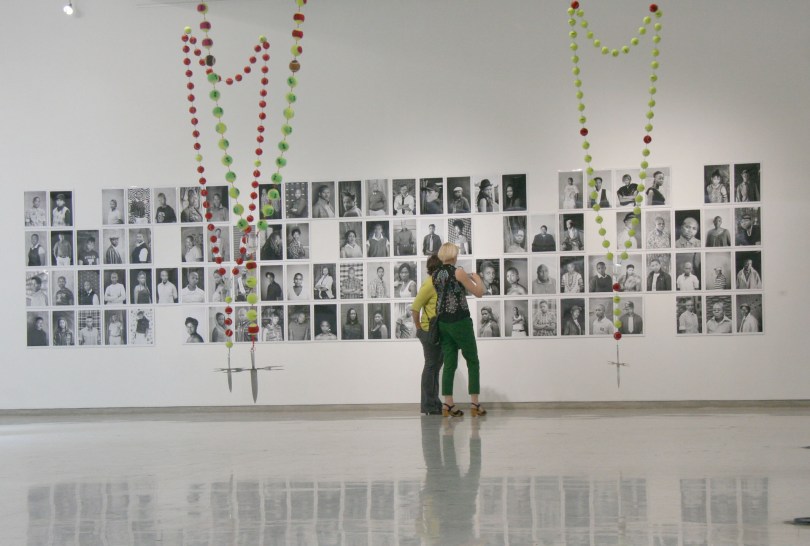
CRAFTY SYMBOLISM: Onlookers were drawn to the Faces and Faces wall, full of black and white photographs taken by visual artist Zanele Muholi. Photo: Pheladi Sethusa
Walking onto the eerily silent ramp that leads to the new exhibition at the Wits Art Museum, one is met by death. Small mounds of sand stand,holding up colourful wooden crosses that have dates of birth and death written on them.These graves that lie in glass containers are in the Zanele Muholi’s Mo(u)rning section of the exhibition.
The next piece of the collection, Faces and Faces catches the eye immediately as a wall of black and white portraits look one in the eye. There are some gaps between some of the photographs by Muholi which speak to the nameless but dated graves.
“The spaces were left there to show that they could have been a part of this section of the exhibition if they weren’t killed for being gay and lesbian,” explained facilitator Ace Kekana, whose face appears in one of Muholi’s portraits.Queer and Trans Art-iculations: Collaborative Art for Social Change is a collaborative exhibition by visual artists, Muholi and Gabrielle le Roux.
“…men who gang rape women, who murder lesbians, who beat their wives – they walk the streets as free men.”
Muholi’s work is on the ground floor of the museum with a focus on the LGBTI community in South Africa – their beauty, their struggle, their murders and more. Muholi is not only a photographer, so her work varies and in this exhibit includes some of her bead work and a documentary film.
The most elaborate display in Muholi’s section are rosaries that hang from the ceiling. The beads in the rosaries are tennis balls and kitchen utensils. The vertical end of the cross at the end of the rosary is made from a knife which represents the violent killings of members of the LGBTI community experience, and the horizontal end from braai forks to represent the supposed hell killers think they’ve sent their victims to, or perhaps the lived hell victims endure.
“When people kill based on gender they like to say it’s for religious reasons, these crosses represent how dangerous that kind of thinking can be,” said Kekana.
The most moving part of Muholi’s exhibited work is a wall with a number of written messages from victims and their family members about their experiences. One of the messages read: “Here in South Africa you have judges sending women to jail for stealing a loaf of bread to feed her baby, but men who gang rape women, who murder lesbians, who beat their wives – they walk the streets as free men.”
This is one of the rosaries that hang from the ceiling. Photo: Pheladi Sethusa
In contrast to the quiet reception on entering Muholi’s floor of the exhibition, walking down the ramp into the basement area, sounds from the television screens set up with short documentaries by Le Roux lure attendees with their mixed up buzz.
Le Roux’s collection, Proudly African & Transgender and Proudly Trans in Turkey looks at the experiences “trans and intersex people in Turkey and Africa,” said Kekana. Another facilitator, Thekwane Mpisholo is in one of the portraits put on display by Le Roux.
The painted portraits are inclusive of their “subjects” and this can be seen in the quotes the artist let them scribble on their actual portraits.
The newly launched Wits Centre for Diversity Studies, helped to find the funding for this project. “They’re the ones who helped us with the planning and funding because they (Diversity Studies) study things that aren’t ordinarily studied by other faculties – that’s how they came on board,” said Mpisholo.
There is a lot to read, watch and see at this exhibition and people can do so until March 30 2014 at the Wits Art Museum.
Intimate Enemy: Images and Voices of the Rwandan Genocide
It has taken me a few weeks to get through this book. Not becaause I was bored or at all disinterested but because it was difficult to read what had actually happened.
The Rwandan Genocide is something I learnt about from Hollywood and a worksheet or two back in high school. I’ve known for a while now that I needed to school myself further on the subject. To broaden the narratives I’m privy to on this tragic moment in African history.
Before I started this I had read To See You Again: The Betty Schimmel Story, a remarkable and heartbreaking account of living through the Holocaust. I imagined that reading that had readied me for another tragic and positively horrifying read, I was sorely mistaken.
An Intimate Enemy is a joined effort by Scott Straus and photographer Robert Lyons.
“Combined then testimony and images offer a largely unmitigated and intimate view of the Rwandan genocide.” ~ Scott Sraus
Straus explains his mission and objectives in an emotive and rather educational introduction. In short, he wanted to start to figure out who and what had led to the genocide. His interviews in the book are with men who were both perpetrators and victims during that time. He stressed that his aim was not to other anyone but to begin to understand ordinary human beings were turned into killers literally overnight.
The images and testimony present in the book are from prisoners in a number of prisons in Rwanda, mostly male because women only made up 3% of the prison population at the time.
Before the advent of colonialism in Rwanda, Hutus and Tutsis lived side by side in relative harmony. Colonialists exploited the slight differences between the two groups to sow divisions of which they would reap the benefits. The usual thuggery of making one group feel superior and another inferior, affording opportunities, jobs et cetera to the superior group of people.
Straus does a good job of making the historical context of the genocide very clear. As a South African the genocide in Rwanda is particularly harrowing because of the stark change that was happening at home, while others were being hacked to death.
The interviews he conducts with the prisoners and the testimonies they give are worse than any movie or any one thing I’ve ever read. About three interviews in I had been shocked to the core, heartbroken and utterly defeated. In most cases people literally became killers overnight, some killing their own family members for their own survival. The speed at which things happened is what struck me the most, it always has even where the Holocaust is concerned. People can turn on one another in a heartbeat and that more than anything scares me about my species.
As I said I went through the testimonies very slowly, as a way of reading them as historical documents and committing them to my meomory.
Robert Lyons work starts to come up more often towards the end of the interviews. All black and white photographs, mostly portraits. His aim was to capture a side of the genocide that wasn’t sensationalised and didn’t frame a particular narrative. The exclusion of captions is an extention of that aim.
“I felt that somehow there must be a way to show the horror of genocide without making sensationalistic imagery. I wanted to explore the space between the victims and perpetrators.” ~ Robert Lyons
Looking through his photographs brought home Straus’ point. I tried but there wasn’t a person I could point out as a killer, I saw mothers, fathers, brothers and sisters. Old and young, male and female. Having the knowledge of those testimonies made it all the more trying.
Hands down the toughest thing I’ve read this year.
This past Monday was officially the last #teamvuvu event of the year. Everyone was dressed to the nines for our delicious three course dinner at Giles restaurant in Parkhurst. The wine and tears flowed in equal measure. It was a lovely send off 🙂
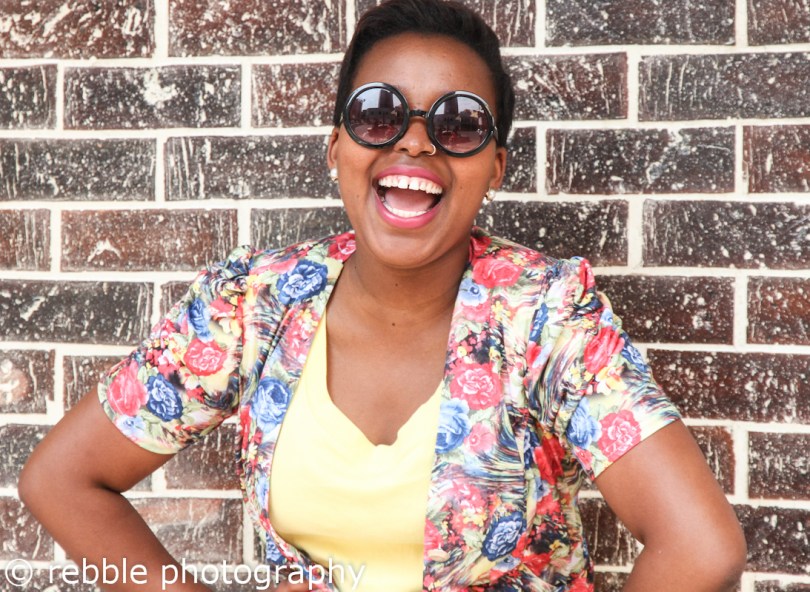
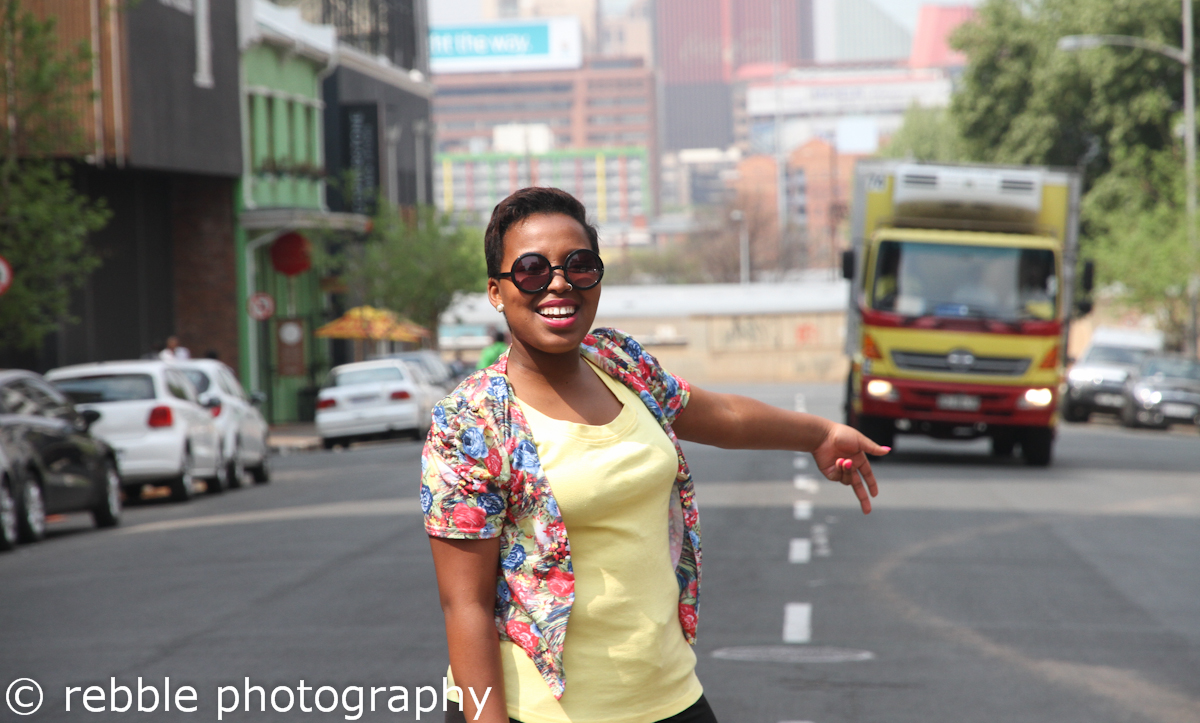
Thuli, Dini and Busi bringing that African Queen vibe
Busi: Summery, fun. It has a little touch of class, it’s a little chic.
Me: How would you describe your style in general?
Busi: I think my style in general is representative of the above. I like to look cute and pretty but there’s always a sense of my personal style in that. While I’m interested in what’s trending and what’s hot, I think it’s always important to have your own sense of style. I actually like a lot of my mom’s stuff, her style is on point.
Me: Now that we’ve broken the ice, are you sure about this journalism thing?
Busi: To be honest with you, I’m sure that journalism is still something that I love. I’m just not sure that journalism is something that I would be good at and that scares me. I know that it’s got a lot to do with, you know, how I performed this year – I don’t think that I put myself out there and gave it as much as I could have. And that’s led to my questioning whether or not this is something I can do. I don’t question whether or not I love it, I question my ability to actually do it as well as I’d like to.
Me: That said, if you weren’t doing what you doing this, what would you be doing?
Busi: I would definitely be doing music. When I left high school I wanted to go to UCT and do music and my parents were just like listen, no – get a real career. That’s how I ended up doing Media Studies and Journalism. I’m still interested in doing music at some point in my life.
Me: How have you found your honours year?
Busi: It’s been challenging, demanding but it’s also been the best year of all my studying. Um, I’ve met awesome people and I feel like I’ve been exposed to the kind of practical, how to you apply theory stuff that I’ve always spoken about. When I started in my first year, I expected Media Studies to be like Journalism and I felt like it was a great waste of time when all that theory was being thrown at me without any place to actually apply it. I think in hindsight it was useful but this year has definitely been the best year. It’s been that kind of put yourself in the deep end and swim type of year, and I’ve loved that.
Me: What’s been the most challenging thing and the most rewarding thing for you this year?
Busi: The most challenging thing has been the Monday pitches. Having to always have your brain switched on and have your finger on the pulse on what’s happening in the community, to be able to come back with something on Monday morning with an idea of what you’re going to put in the paper and making sure that it’s relevant.
The kind of feedback we get from people has been rewarding. People who like the stories that you put out or even for me, what matters more is my own peers telling me “that was cool, I liked the way you did this, I liked the way you did that”. To have your peers respect and admire some of the stuff that you’ve done, when you all started out knowing absolutely nothing was really rewarding for me.
Me: Where will you be next year and what will you be doing?
Me: How would you describe #teamvuvu in three words?
Busi: Loud, opinionated and trailblazers. This has been the group that decided that just because this is how things have been done all this time doesn’t mean it has to stay that way. Where some of the traditions and structures made sense I think the group conceded but where things didn’t, this group wasn’t afraid to speak out. Whether it was in the department or in terms of Wits and the community’s attitude towards certain issues – this has just been that group. I think that’s really important because that’s what the industry needs, so ya.
[how quickly 3 words can turn into 100 :P]
Me: A word of advice for the incoming team for 2014?
Busi: Don’t pay attention to people who tell you that what you’re doing is a waste of time, because half the time you’ll find that those people are applying for the course anyway. Where there’s constructive criticism, definitely yield towards it and listen. But make sure that you aren’t paying attention to people who have shallow, empty criticism. Those are just people who have too much time on their hands. Also try not to compete with each other as a group. Have fun yo, enjoy your time here – it’s over before you know it.


















 Write. Snap. Click.