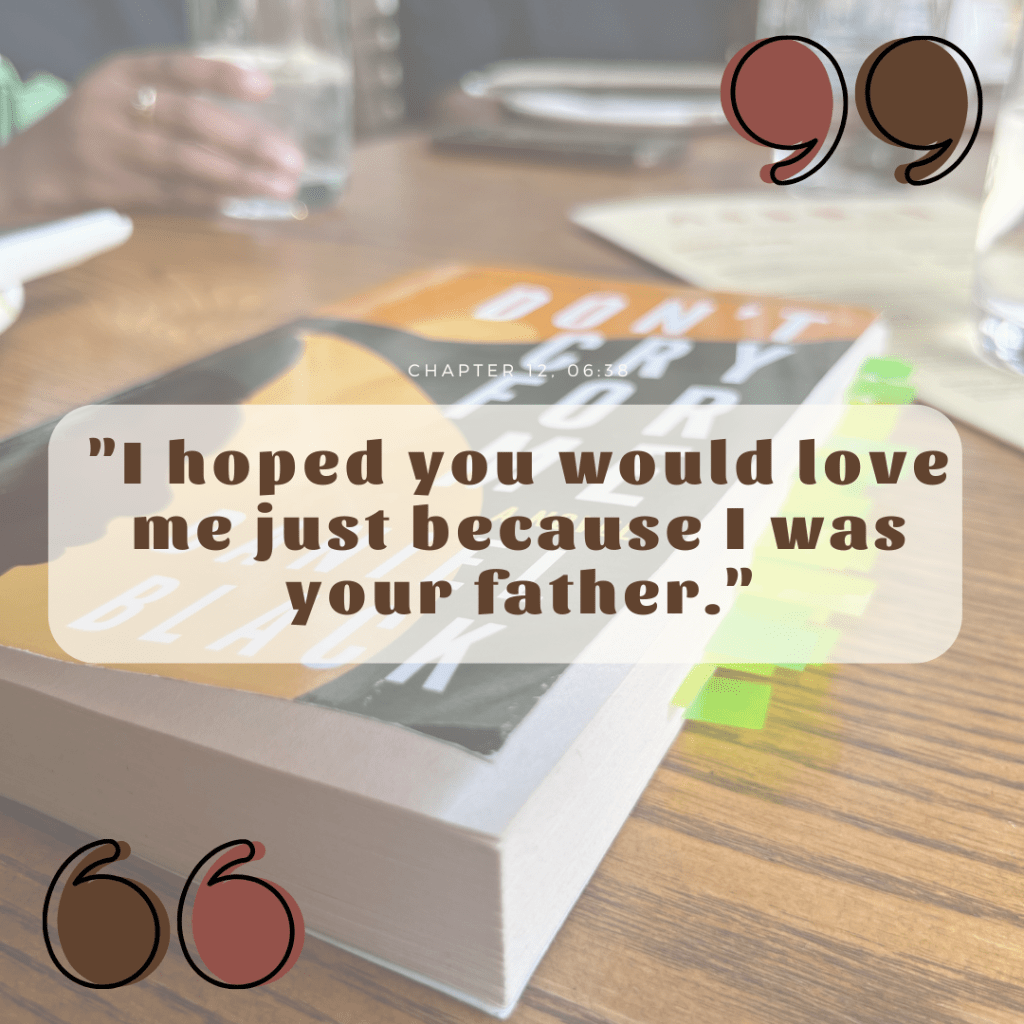
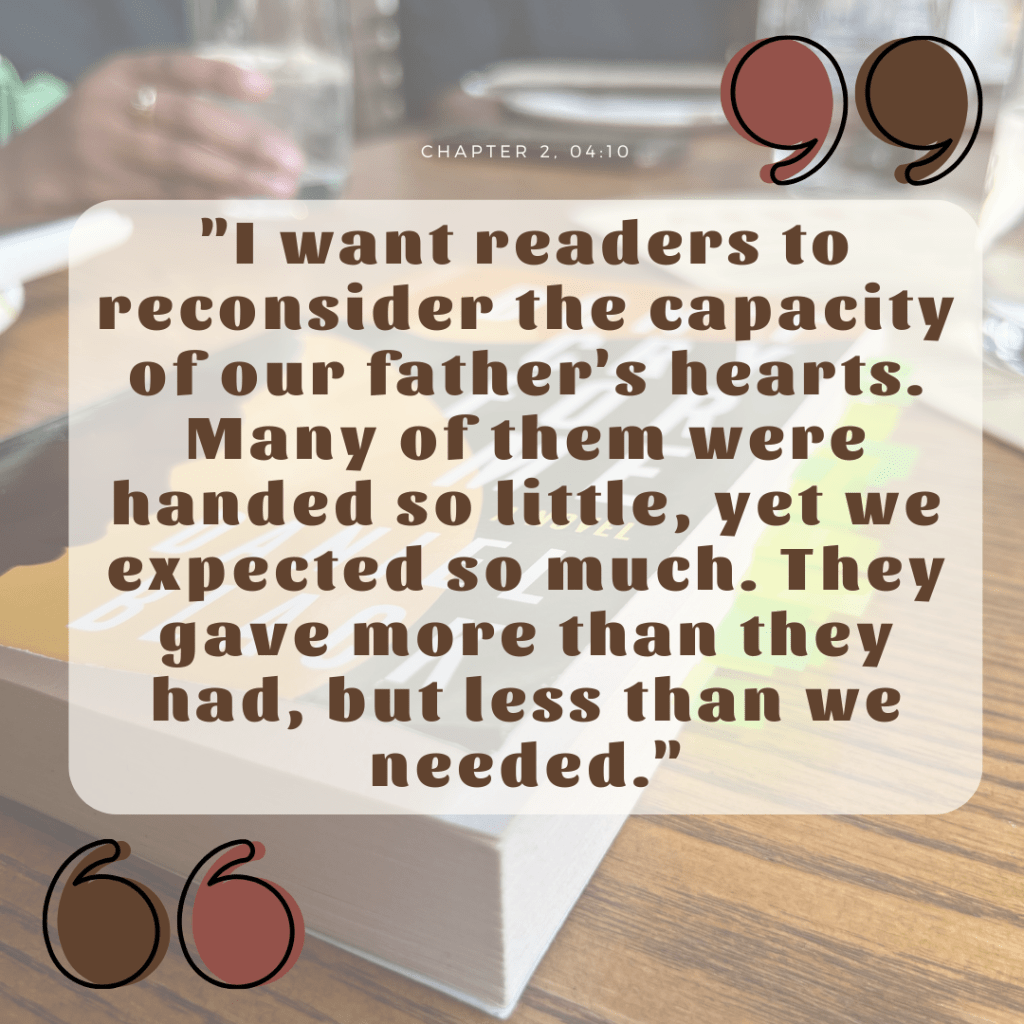
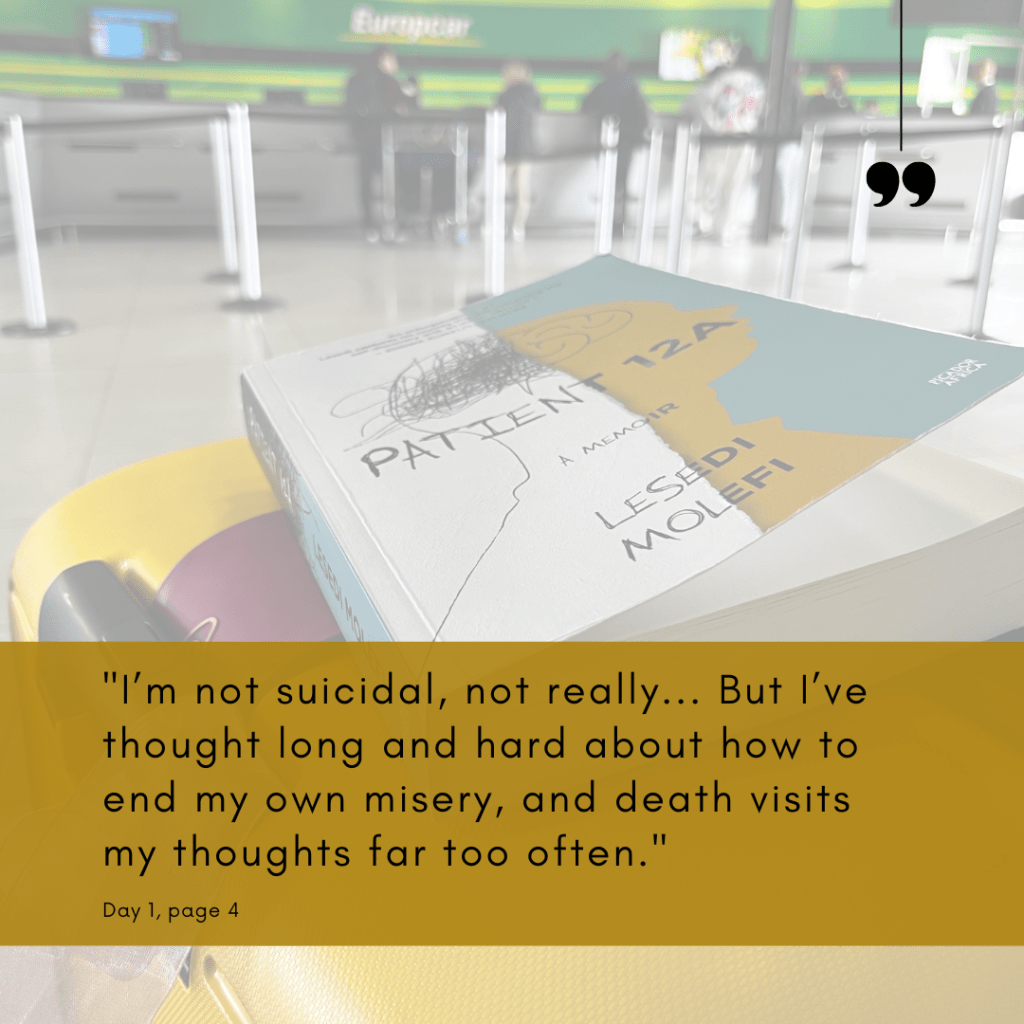
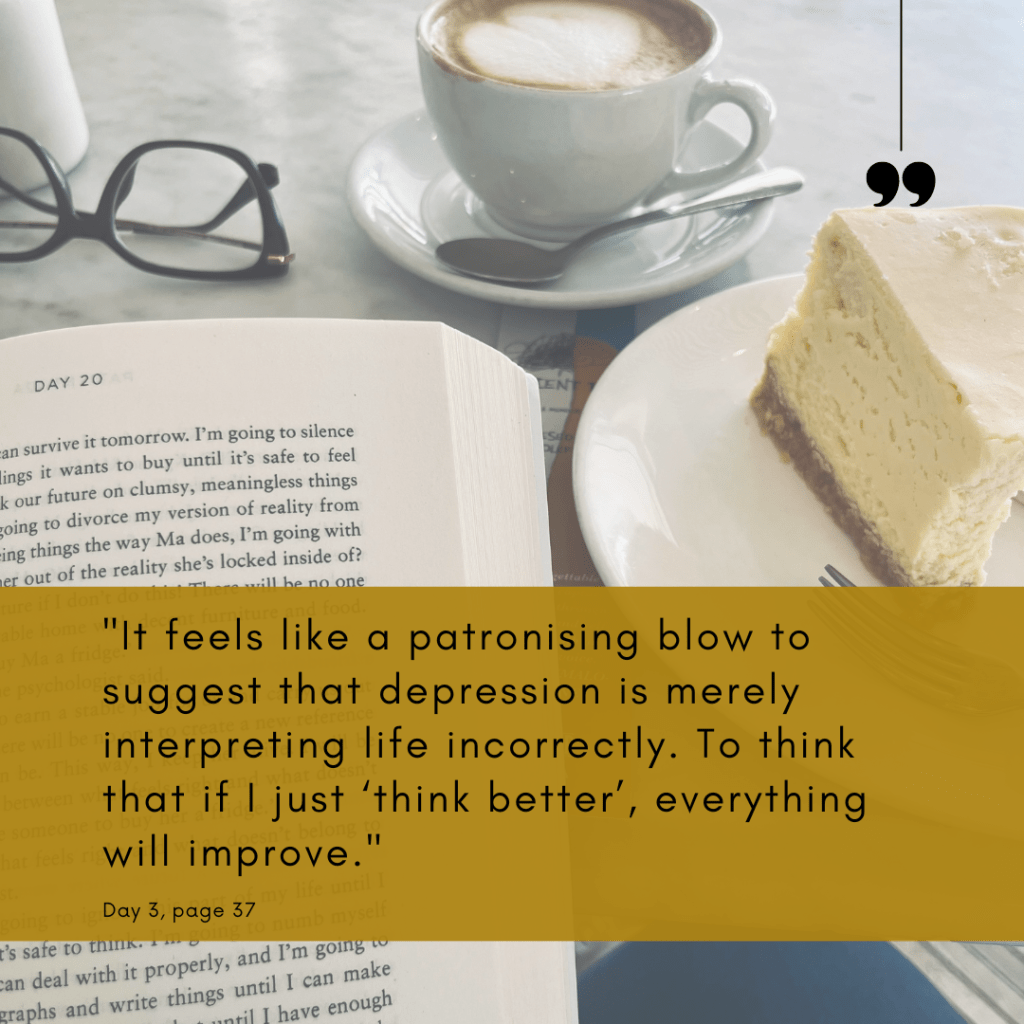
#Patient12A’s Best Bits

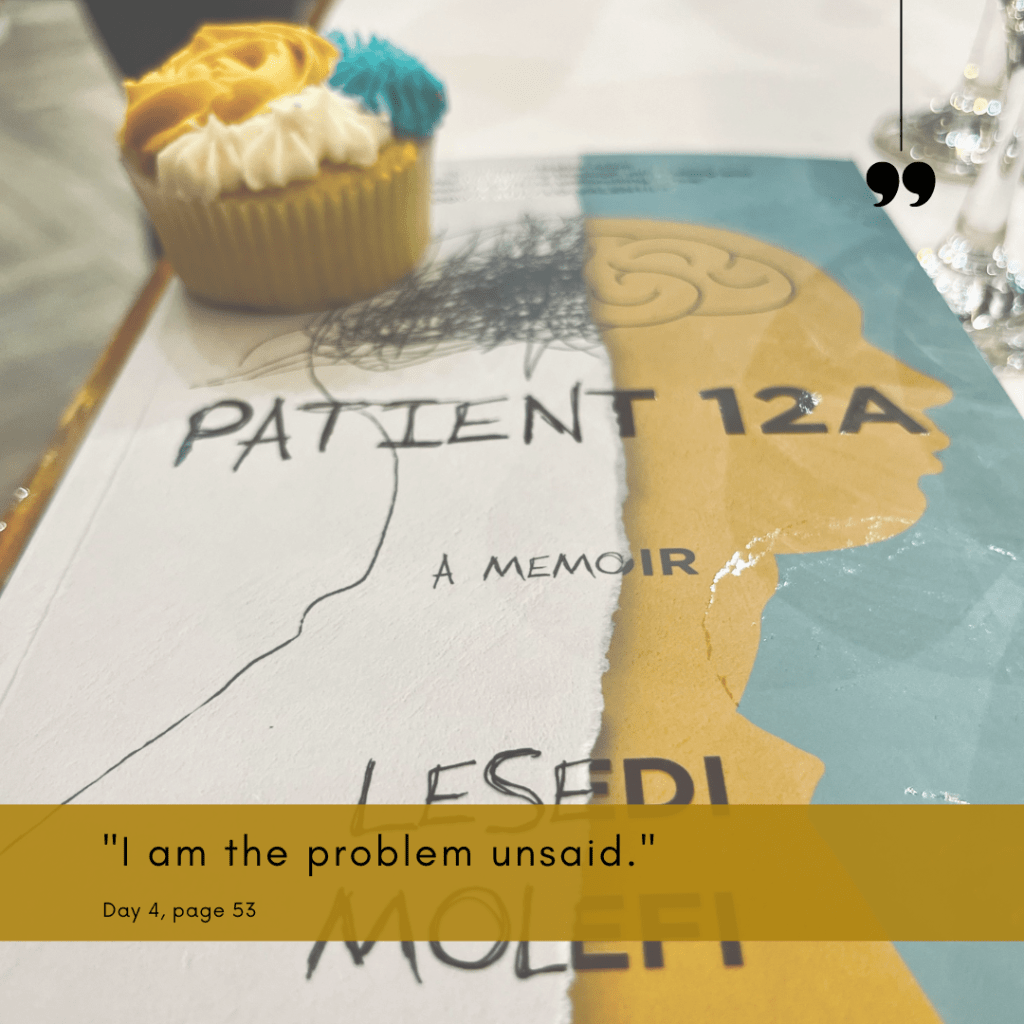
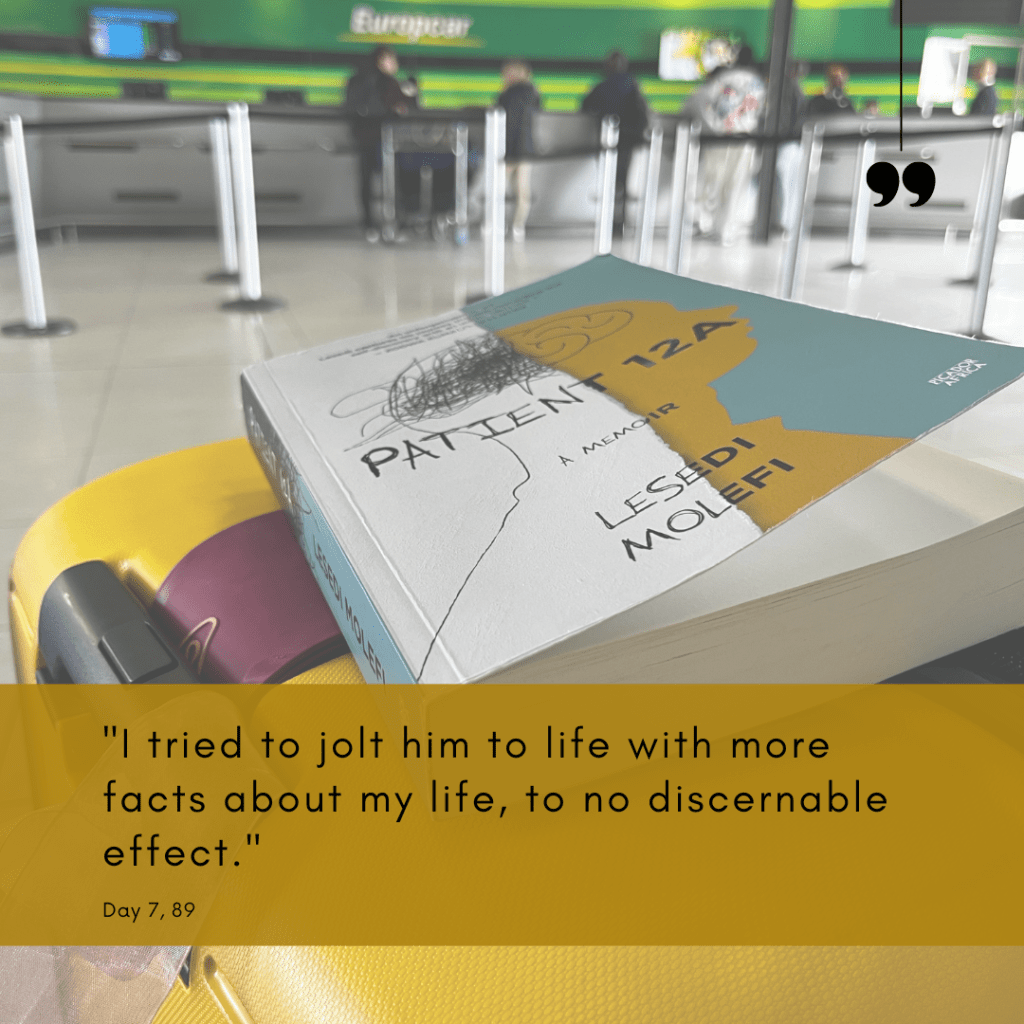
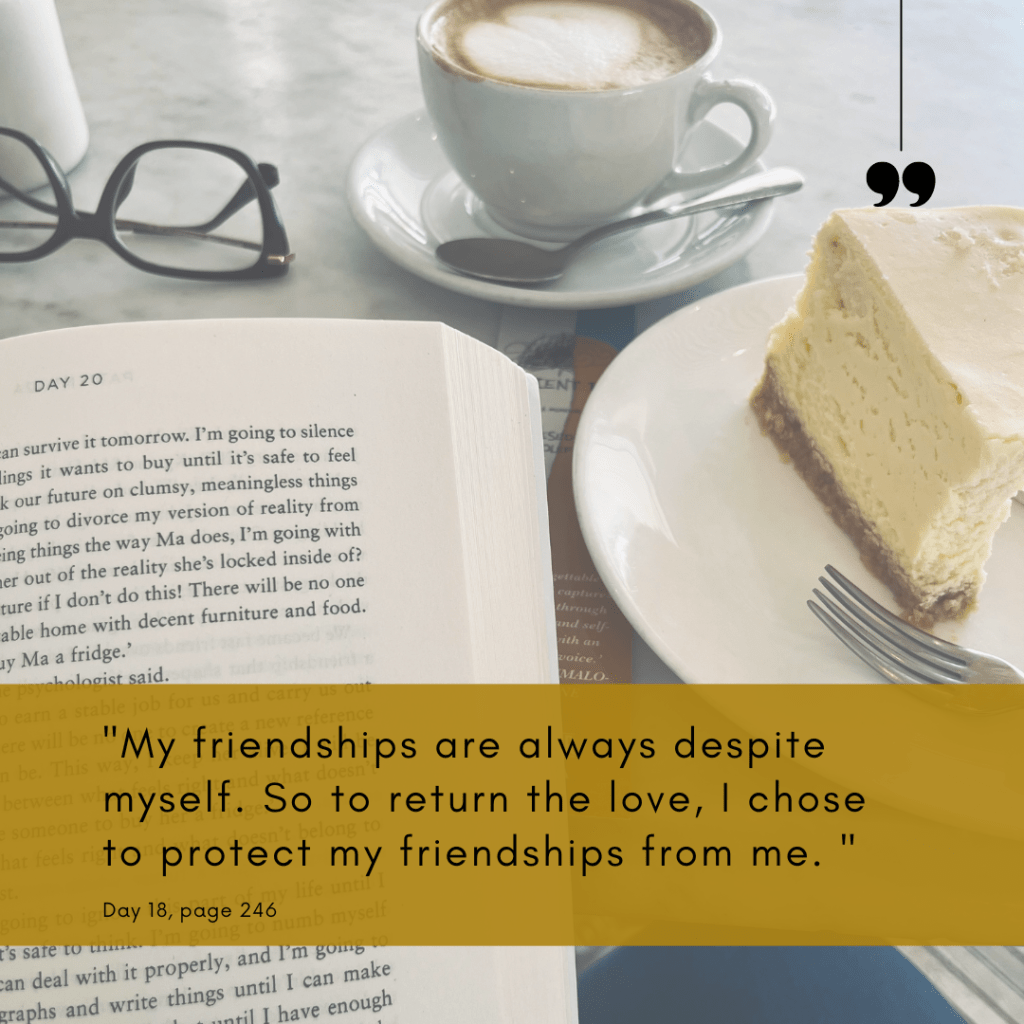
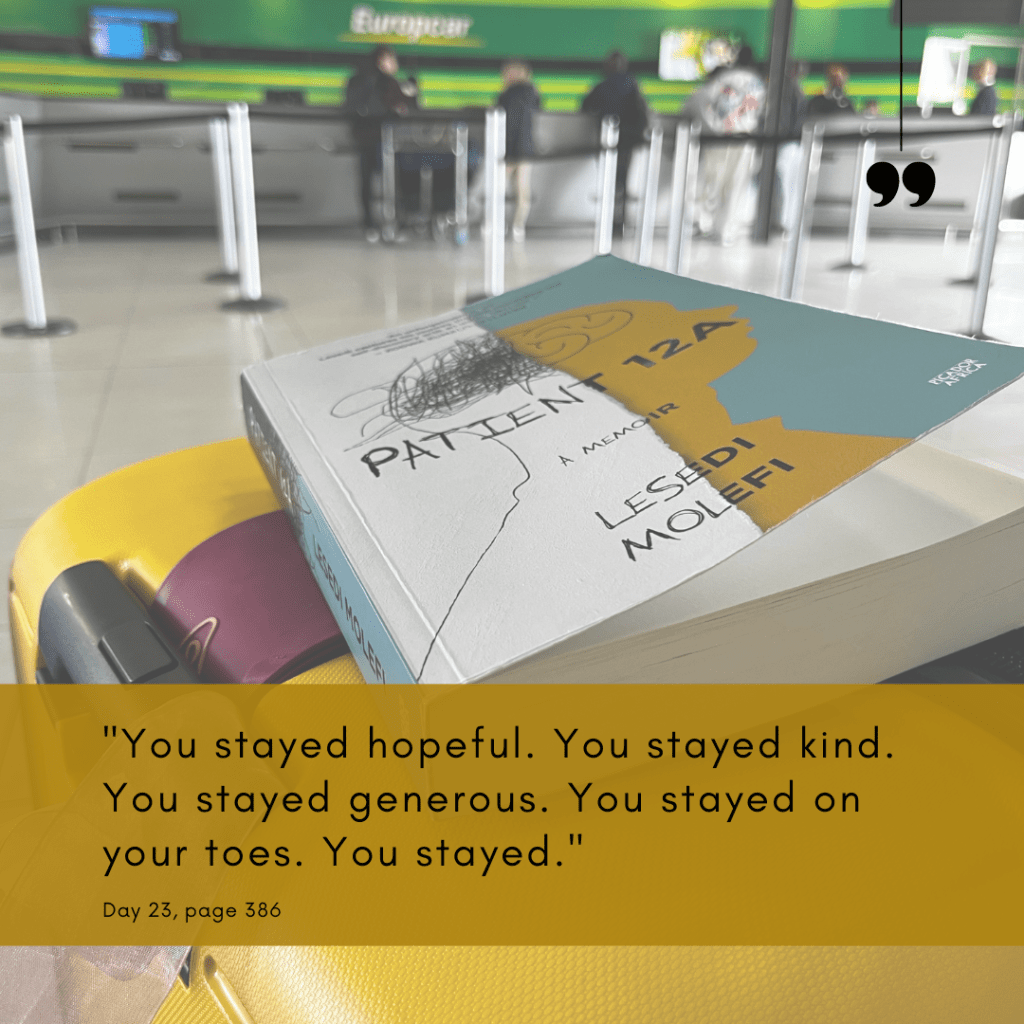
Trying to make the ‘best bits’ a permanent feature of my literary postmortems, mostly because there are so many passages, sentences, phrases that stay with us beyond the initial reading.

In this read, technically speaking, the whole book is a ‘best bit’ but copyright laws are a thing so I have highlighted just ten moments that gave me pause.

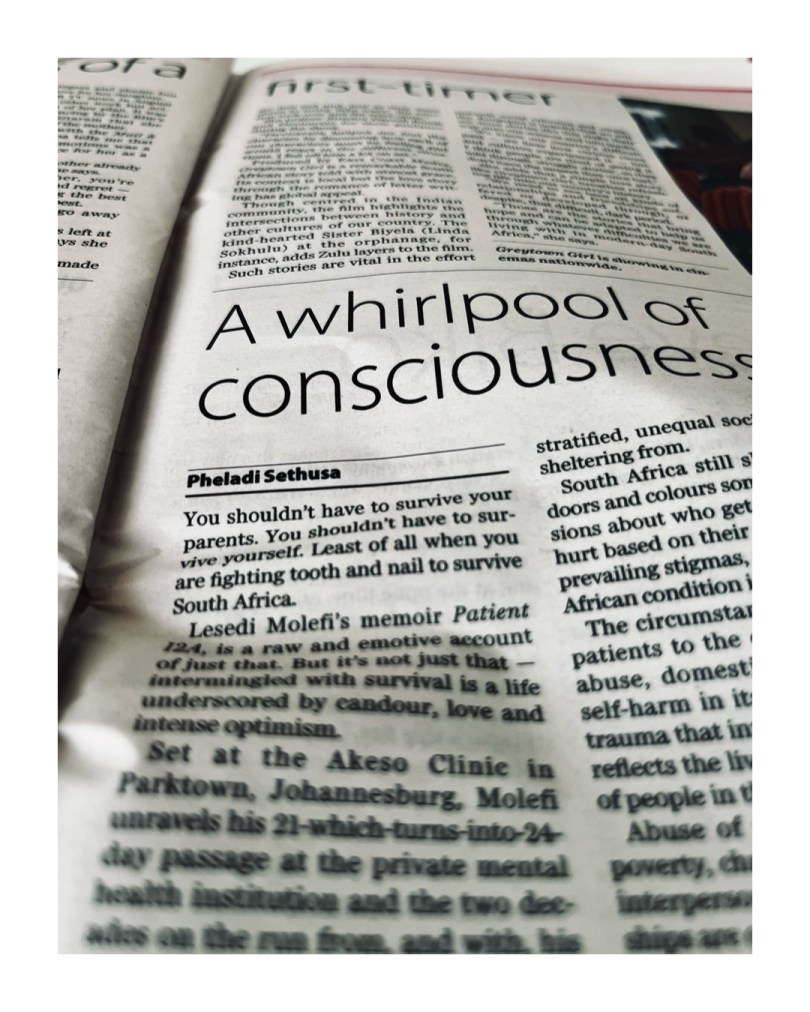
Lesedi Molefi’s Patient 12A is a whirlpool of consciousness

**First appeared in the Mail & Guardian on Friday, September 27 2024.

You shouldn’t have to survive your parents. You shouldn’t have to survive yourself. Least of all when you are fighting tooth and nail to survive South Africa.

Lesedi Molefi’s memoir Patient 12A, is a raw and emotive account of just that. But it’s not just that — intermingled with survival is a life underscored by candour, love and intense optimism.

Set at the Akeso Clinic in Parktown, Johannesburg, Molefi unravels his 21-which-turns-into-24-day passage at the private mental health institution and the two decades on the run from, and with, his family that necessitated him checking in in the first place.

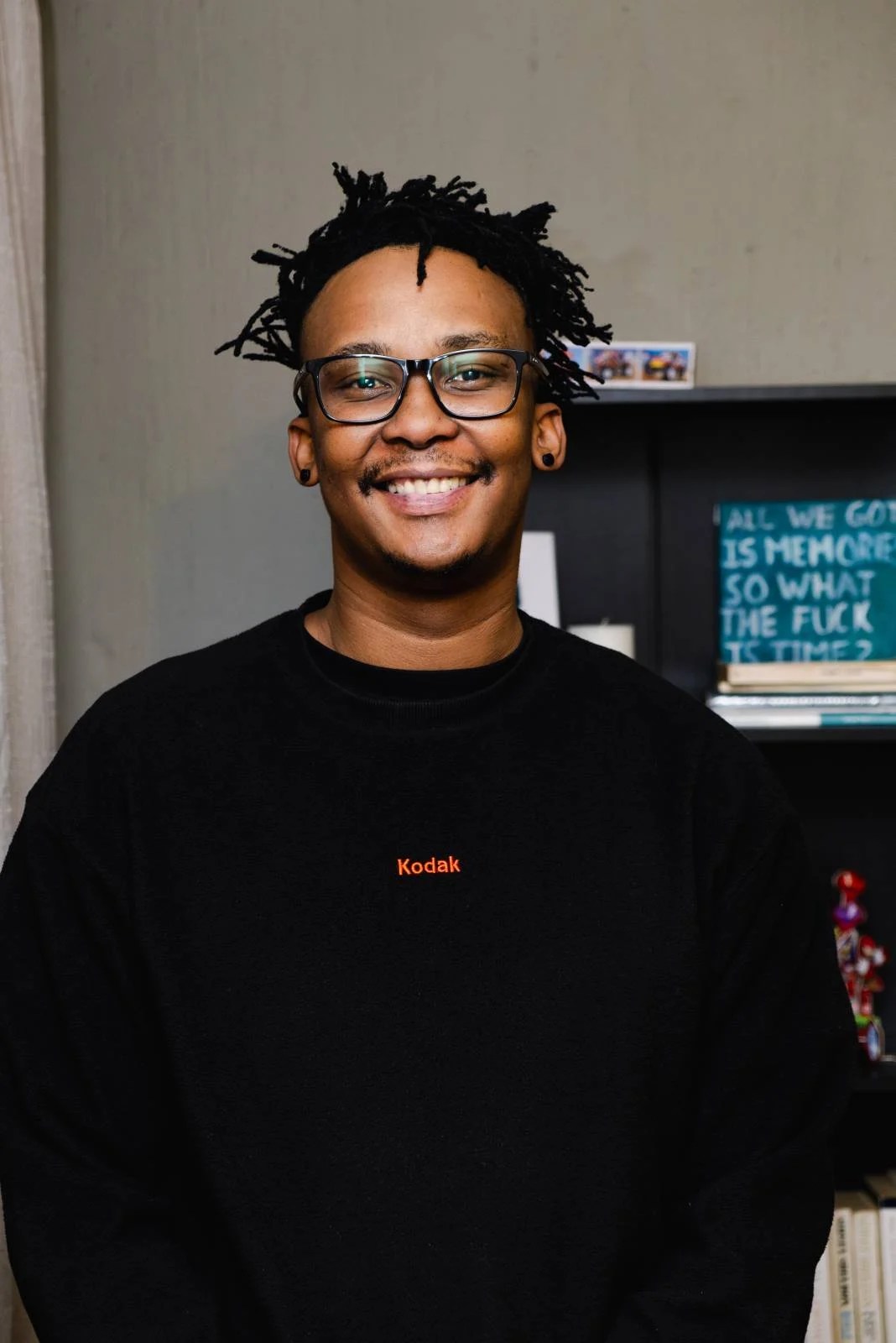
Passages of mind: Lesedi Molefi’s memoir Patient 12A explores his battle with mental illness. Photo: Thabiso Molatlhwa/Richart Productions

Some of the factors include parental abandonment; managing the symptoms and consequences of undiagnosed mental health issues and constant uprootedness and hunger. 

Tipping the scales ever so slightly, and perched on the other side of these circumstances, is loyalty, creativity and unbridled self-belief.

With my previous insights into stays at mental health facilities limited to the accounts in Sylvia Plath’s The Bell Jar and Ken Kesey’s One Flew Over the Cuckoo’s Nest, I had braced myself for coldness and rigidity, but was pleasantly surprised and relieved when, instead, the walls that house this clinic were safe and warm. This is because of something unique — the people Molefi finds there, a “cross-section of ordinary South Africans”, as he calls them.

Together they parse their traumas, relate and commune authentically. 

Running alongside formal treatment sessions and various forms of therapy, this community of patients provides another lifeline to, and through, one another. 

But it isn’t all kumbaya — the clinic and its patients still mirror the stratified, unequal society they are sheltering from.

South Africa still slips under the doors and colours some tough discussions about who gets to hurt and be hurt based on their race, gender and prevailing stigmas, proving the South African condition is inescapable.

The circumstances that led other patients to the clinic include drug abuse, domestic abuse, grief and self-harm in its various forms. The trauma that informs their inner lives reflects the lived realities of millions of people in this country.

Abuse of power, the violence of poverty, chronic neglect and broken interpersonal and familial relationships are common threads. 

This external backdrop of extreme inequality, and the violence thereof, must be surmounted daily, an impossible task for anyone, much less someone without the socioeconomic resources that afford one relative safety, space and access to process with grace and dignity.

The most ubiquitous and immersive device in the memoir is “the noise”, the literary and internal universe Molefi steeps us in. 

The noise emanates both from him and through him. It is a whirlpool of his consciousness and internal struggles, used to transport us fluidly from the past to the present with careful clarity.

While he describes the noise as chaotic and disruptive, for those reading this work, the noise is an expert and intimate guide through the passage of his mind. 

The complicated thoughts and feelings that colour and blur his cognition help readers  to identify where and how they intersect, overlap and relate to the vast array of pain points chronicled.

At the launch of Patient 12A a few weeks ago, and in subsequent interviews, the author has been at pains to emphasise that this isn’t a self-help book. He goes out of his way to avoid listicles and passages filled with advice and definitions from medical and psychology journals.

But through the careful reconstruction of tobacco-stained conversations in an inner-city courtyard, he does the work of inviting people to see themselves through his personal anguish and through the highly relatable experiences of the other patients “doing time”.

Without spoiling it for anyone yet to read it, the memoir’s true heartbeat and nerve centre — and by extension Molefi’s — are his mother and sisters. From a very young age he is driven and compelled to protect them, but he can’t, and that inability taints every attempt at a semblance of normality — something he yearns for from their first uprooting through to their last.

Initially, one can be taken by the adventure that swirls around the first few “trips” their mother takes Molefi and his siblings on, the promise of greener pastures. But it soon turns into concern and quiet rage when you realise that the four of them are in fact being dragged from one terrible situation to the next.

Homelessness and hunger are always assured but not much else. The children try to grapple with their mother’s simmering mental illness and keep one another fed, educated and away from the monsters that lurk in the shadows as they move from one precarious place to the next.

The scars of their experiences play out in different ways and at different stages for each of them but Molefi articulates his payoff as “a strange education”. 

By the time he is in his twenties, he is a master of survival — not quite the education he wanted but the one that  has carried him thus far.   

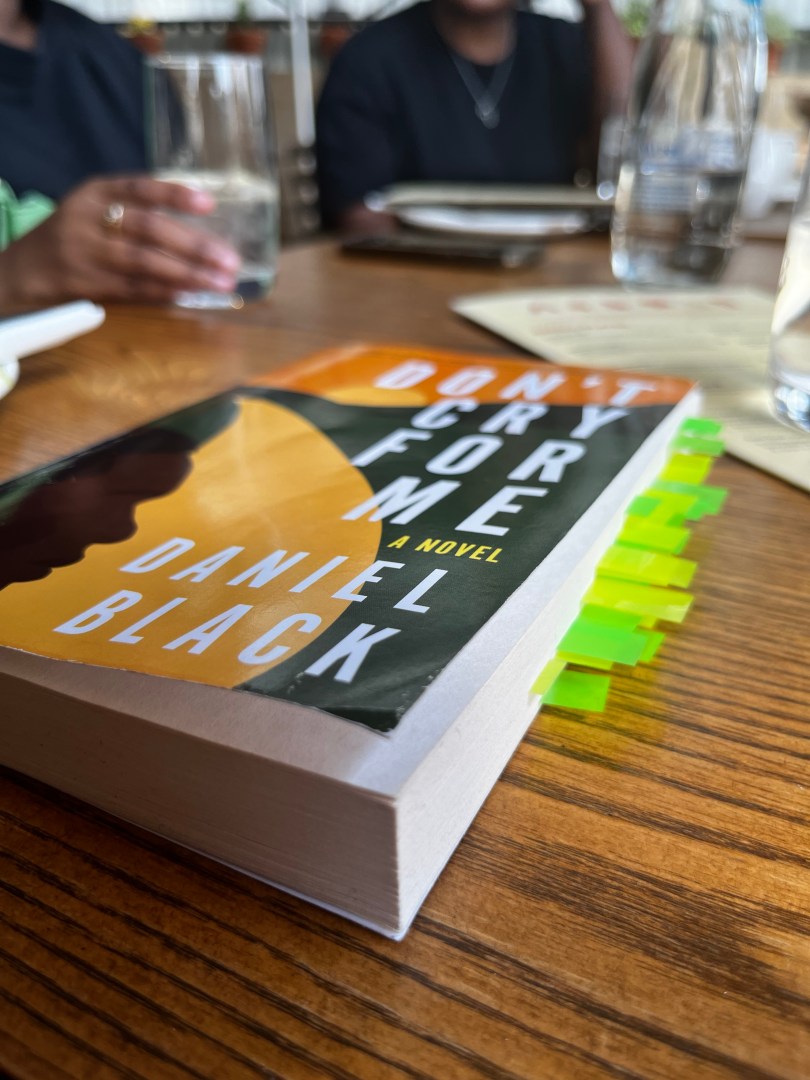
My copy of the book is dog-eared, tatted up in orange highlighter, has travelled on planes and trains, and watched me drink copious amounts of coffee as I struggled to put it down.

What really carries one through the 408 pages is Molefi’s ability to write about pain and trauma with a level of honesty and vulnerability that invites one in and that, quietly, asks one to look at him in the context of “the facts of his life”, directly in the eyes — and not look away when he shows you who he is.

Through the whispers and shouts of the noise, Molefi speaks himself back to life. 

It is prose, it is poetry, it is beautiful.

——————————————

Patient 12A is published by Pan Macmillan South Africa.

Literary Postmortem: Luster

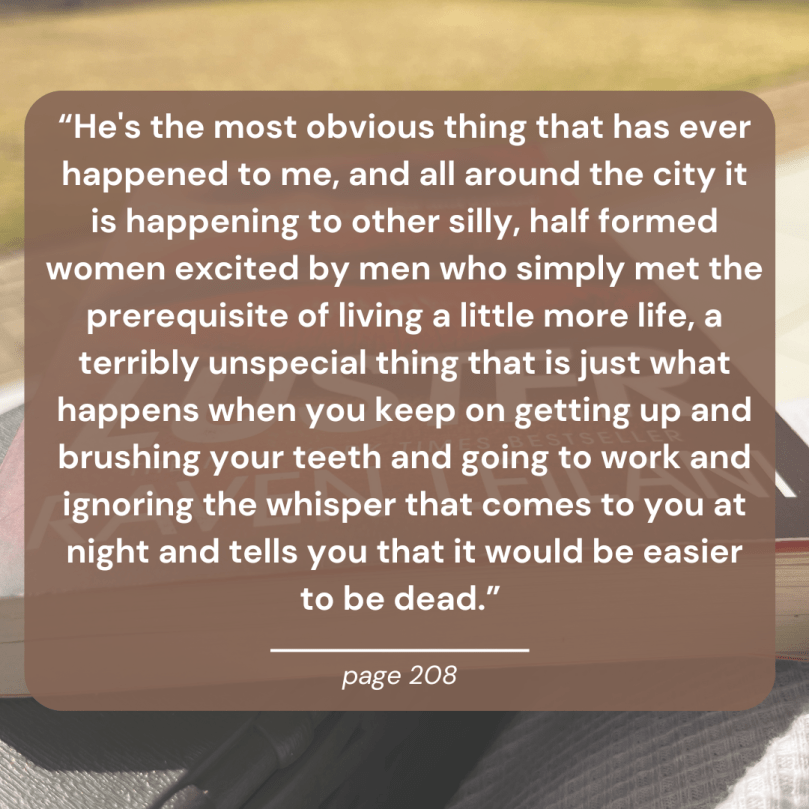
“What the actual?!” I have never said and thought this phrase more than I have in the last month reading Raven Leilani’s Luster.

I recently described it as ‘very fucked up and difficult to read, but the beautiful sentences have made me stay the course’ – I probably phrased it less eloquently at the time but that’s what I thought when taking in the 227 pages that often felt like an exaggerated pitch for an HBO show (you know, dimly lit with all of the fucked up sex and drugs).

In short: Edie is a traumatized, touch-starved, poverty-stricken artist, who starts an affair with a very boring, middle-aged married man (I think his name was Tom, no James, no Michael, no no Eric – see, unmemorable at best). In the middle of their punch-me-fuck-me shenanigans, Eric’s wife, Rebecca (who we are told knows about the affair) moves Edie into the marital home on the day she has quite literally hit rock bottom, with no job, no money and nowhere to live.

The move isn’t benevolent, Rebecca wants someone, someone Black, to act as some kind of hand-holding older sister to her adopted Black daughter. The whole thing is insane. Edie has nowhere else to go, so she stays. Carries on with that man, befriends the daughter (Akila – who is arguably the only person I even liked and rooted for on this whole thing), and lives off random monetary offerings Rebecca leaves her – until she falls pregnant.

As I said, story-wise – hated it, Edie was living through the wound from onset and throughout. I suppose her upbringing was the catalyst for some of the chaos that was her lived experience, to be fair she couldn’t make better choices because she often didn’t have the liberty to truly choose. But Raven is such a good writer that I stayed the course despite myself to find more of her tragic, curt and heart-wrenching sentences and passages. Some of my “best bits” below:

Back to basics

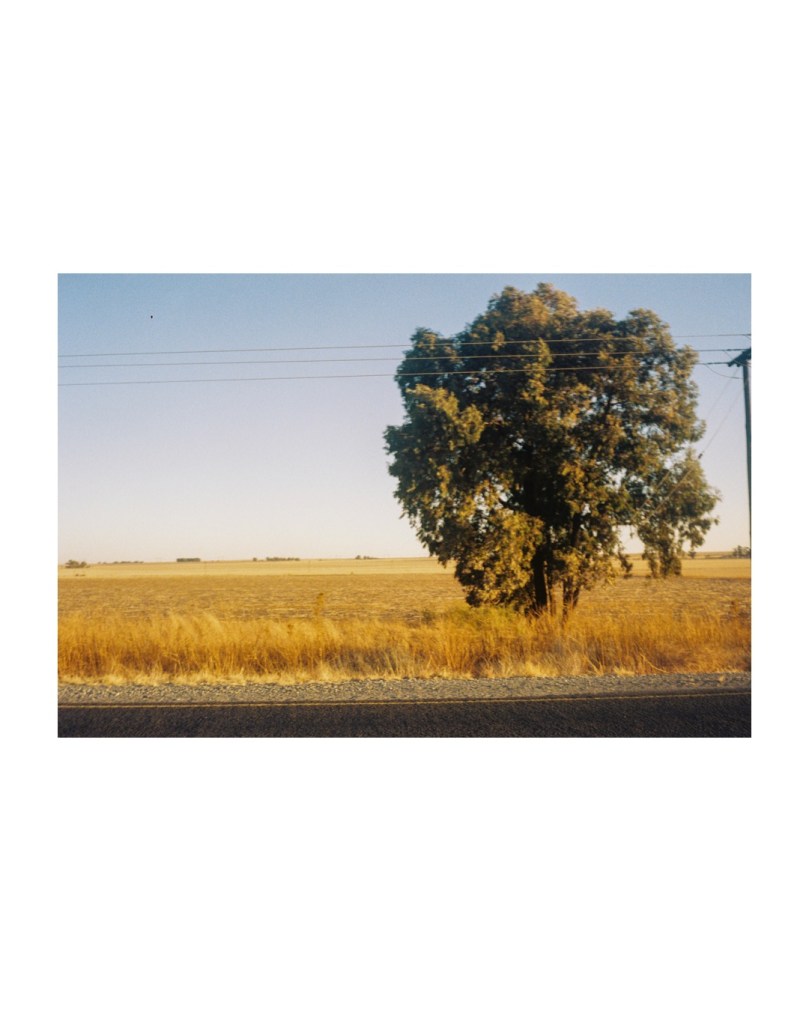
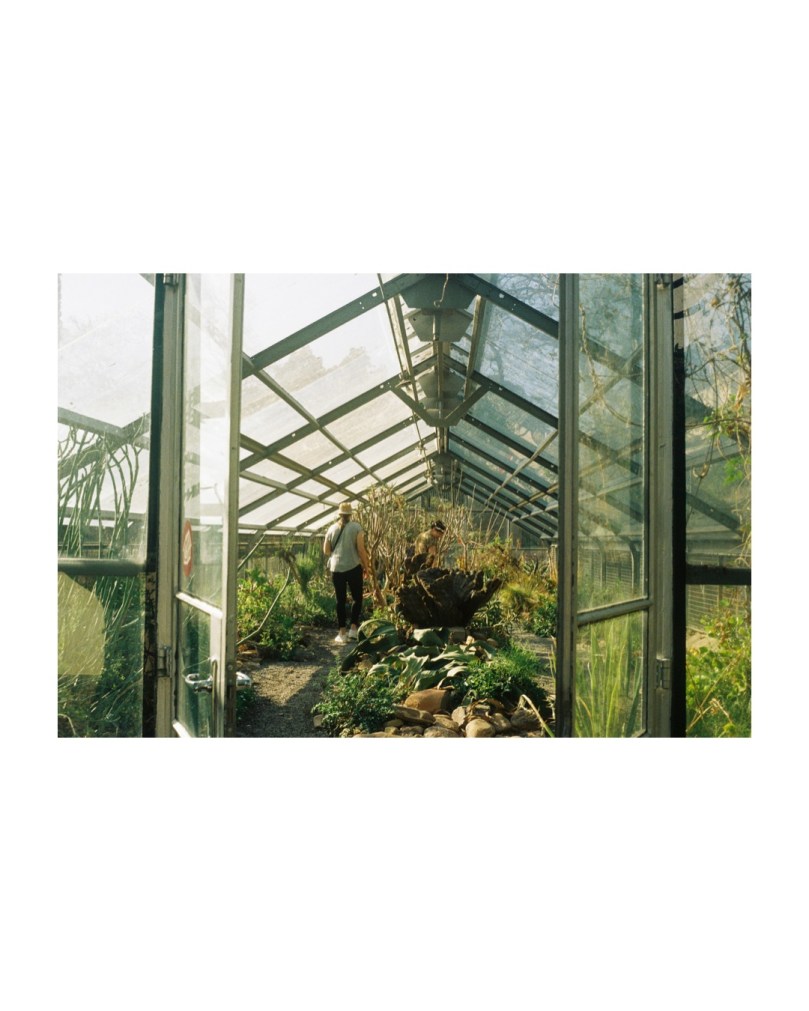
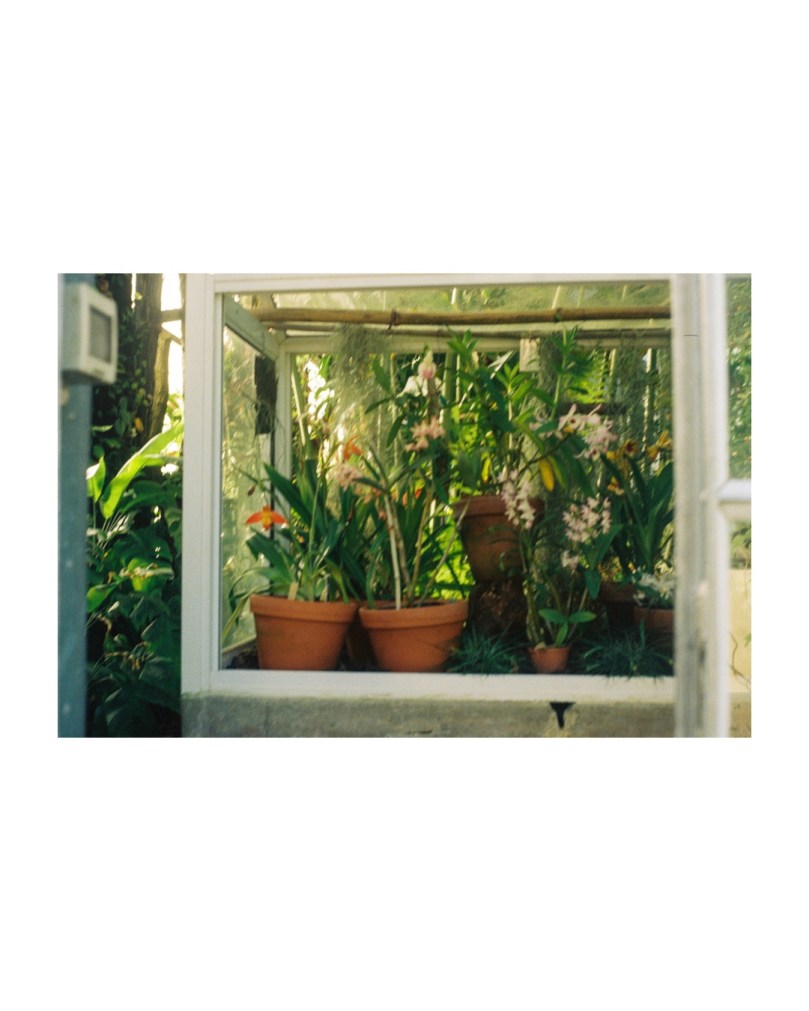
Taking photos for fun and for work used to be a huge part of my identity, and in the busyness of life I have let that part of me slide into the shadows as other pursuits took centre stage. That has meant giving up the joy that used to come with shooting and editing photos as well. Until I spotted this little beauty on sale last year.

My Olympus Trip35

An account I follow on Instagram, 35mmbyloosechange, routinely sells previously loved cameras, accessories and film. I started following the account after a print and swap event I attended with the idea of going back to shooting on film someday. I say go back because the last time I had a film camera was well over 16 years ago when I was in high school. I had done zero research when I bid on the camera when it came up for sale in a post and figured this would be a perfect way to start shooting again in a slower, less perfection driven manner.

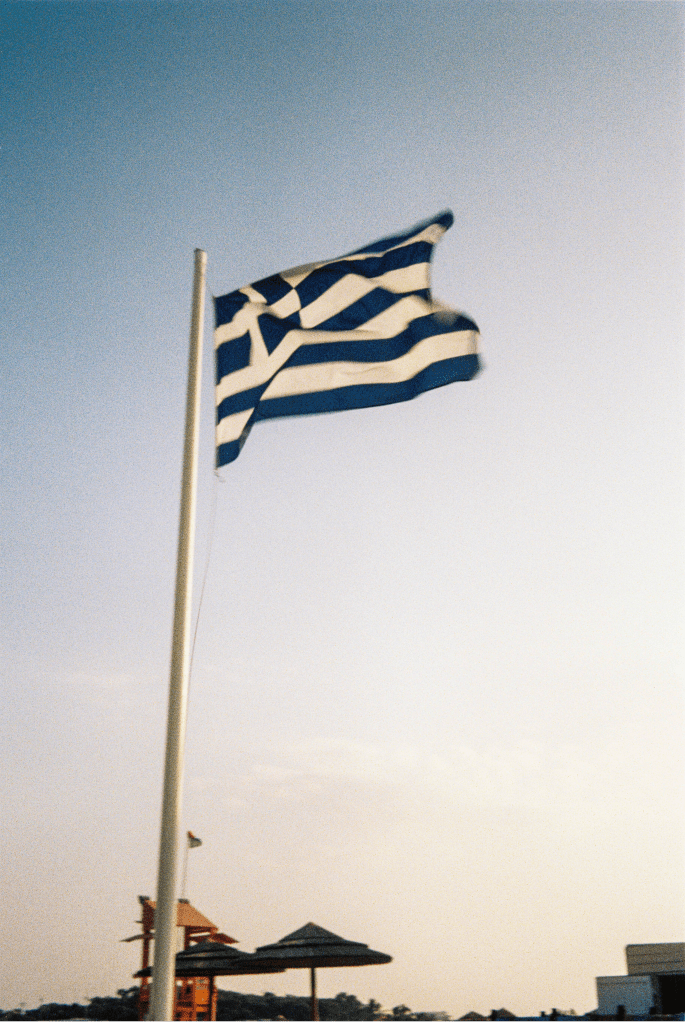
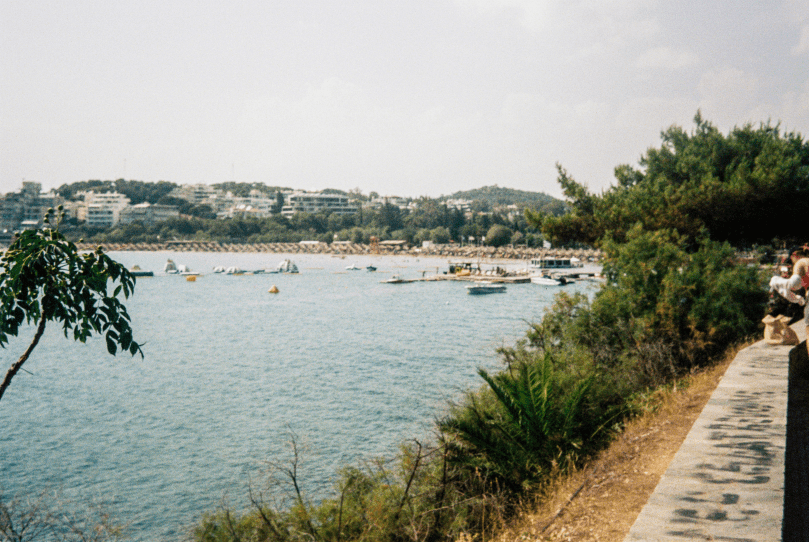
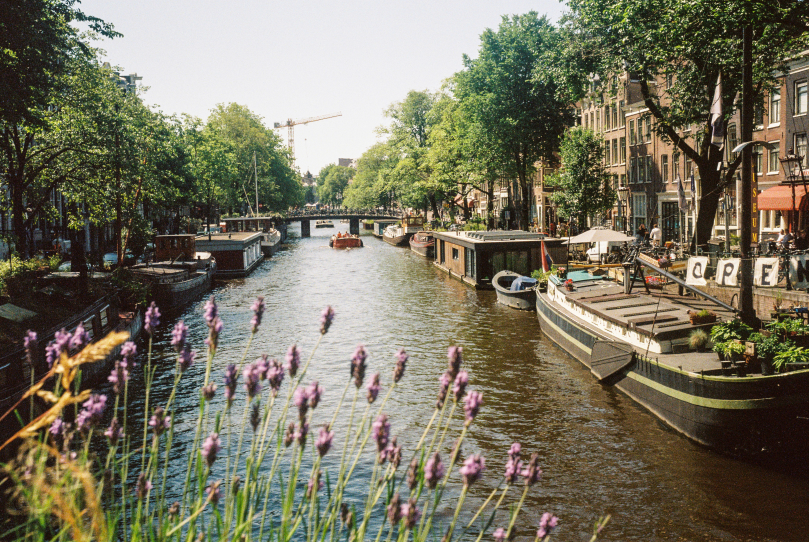
The past few months with with camera have forced me to take my camera out with me more and think in moments more than frames when taking analogue photos. What I mean by that is fighting the urge to take photos that would be aesthetically pleasing for the consumption of others on my timeline, and instead just freezing moments I knew I wanted to freeze because they made my heart happy. My first colour roll was a trip I took with friends to Greece and Amsterdam.

My second roll of film was shot on black and white film, or so I thought. Turns out I loaded the roll incorrectly which returned a blank roll when I went to get it developed months later through Cape Film Supply. Bummer, but lesson learned. I am new to this, so giving myself for the mistakes and missteps I will be making as a relearn this analogue medium.

Cite me or whatever

Sethusa (2024) or (Sethusa, 2024) or (Sethusa 2024) – any style will do really.

If you haven’t guessed by now, this is my not-so-subtle way of saying I have just published my first academic article in a peer-reviewed journal. Reimagining Through Crisis: How the Covid-19 Pandemic Changed the Fortunes and Futures of Journalism Schools and Graduates, is now available in African Journalism Studies. The open access article is free to read and download.

In this exploratory study, I look into the way the pandemic affected our graduating studies entry and introduction into the working world. In the last few years students had to add a global pandemic to the list which includes shrinking budgets, trust deficits, tanking circulation figures and more. The shifts in journalism make it a challenging industry to actively pursue, but students who eke out postgraduate degrees at journalism schools hoping to buck the trends and pursure their passions regardless. By looking squarely at honours students in the programme I teach in at the Wits Centre for Journalism, I track some emerging trends and discuss what they indicate, with journalism students, educators and practitioners in mind.

We are in the midst of an equally frustrating and interesting time, which means we can either spearhead change or fall victim to it. Give my article a read and let me know what you think.

REVIEW: We are Winnie, Winnie is us.

This is the message that reverberated in my being when I came home from watching The Cry of Winnie Mandela at the Market Theatre last month (May 2024).

The set of The Cry of Winnie Mandela at the Market Theatre in Johannesburg. A quote from Winnie Nomzamo Mandela adorns the wall. Photo: Pheladi Sethusa

Adapted from the novel of the same name written by Njabulo S. Ndebele, the play felt like an apparition straight from the book cracked open at the spine. The novel had been sitting on my bookshelf since a random trip to Clarkes in Cape Town with my brother in 2019, leaving the shop that day with the gifted copy I had imagined I would be giving myself over to its contents soon, but life and living happened – until I had just two weeks before curtains up to get stuck in. Luckily for me once I started, I could barely put it down! It is a form bending, intimate and harrowing account of womanhood, loneliness and the alienation of strength (a strength required, not innate).

I initially bought tickets based off of who was directing the play alone. Momo Motsunyane. A fire. A force. I have never seen Momo on stage and been left unmoved, close to tears and deliriously joyful all at once, which is how I knew this would be a production that would leave me altered after experiencing it. Walking into the intimate theatre, with the pensive writer pacing and muttering to himself, I knew immediatley that we were about to be transported into another realm.

If I had to describe this book in one word it would be: personal, no intimate. From the very first sentence in the introduction – which is inward looking – to the last – which throws forward to a hopeful future – one is thrust into the inner lives of the writer (Njabulo S. Ndebele) and his characters with their noses pressed up against their insecurities, humiliation, longing, hurt and unwavering affections.

Instead of attempting to write a clear-cut biography of a woman almost “too big” to capture fully, the writer chooses to tell the stories of ‘ordinary’ women and through their telling, begin to peel back the layers of a figure steeped in mystery, shrouded in controversy and shielded by personality. Ndebele also writes the stories of four woman in Apartheid South Africa with a tenderness and rawness that was unexpected but most welcome.

While the stories cover themes from adultery, to sacrifice and even sexual liberation, at their core is one constant theme – abandonment. The women chronicled are alone. Some are alone in their marriages, others alone as extras in the lives of others and one alone in her revolutionary persona. Through no decision-making of their own, their circumstances leave them forever altered by their chronic aloneness and their lives turned into waiting rooms.

“When you are waiting, you know the meaning of desire: the desire to be the only woman (even in a illicit relationship); the desire for secrecy and pleasure of remaining unacught; the desire to prolong intimate moments beyond time and circumstances…”

– Delisiwe S’kosana, page 64

The novel felt like it was written to be performed and this became apparent as it unfolded before me in the Barney Simon theatre. Perhaps this was my own bias having just read the novel before watching, no experiencing it on stage, but it felt less like an adaptation and more of a rendering. The cast made up by Lesley “Les” Nkosi (Professor Ndebele), Rami Chuene (Mmannete Mofolo) Mofolo, Pulane Rampoana (Mamello Molete), Siyasanga Papu (Delisiwe Dulcie S’kosana), and Nambitha Mpumlwana (Winnie Nomzamo Mandela) brought Ndebele’s words and Motsunyane’s vision to life perfectly. Using song, wit and conversation to soften the ‘mbhokoto’s’ on stage.

I appreciate how the novel and the play alike aim to move beyond the historic accounts of stoicism and duty where black women are concerned, and instead asks the audience to consider and contemplate their vulnerabilities and extend them grace. They do the same for one another in their otherworldly conversations between Madikizela-Mandela and Cleopatra. I wish I could have seen it on stage one more time before the run was over, but I guess I will always have the novel to return to.

“Hello, I come back!”

“Me I am Thato…” If you haven’t giggled yet, you suck and should probably be more chronically online like the rest of us. Jk jk.

But no, I am not Thato, I am the lady from the url.

Unfortunately, that also means I am the person who has been neglecting this wee blog for a very long time. I was reminded of just how by one of my students last year during his interview and made an internal promise to fix that before they stepped into my classroom, but dear reader they have been in the said classroom for five months already and still. Side eyes self.

In my defence, I have had a lot going on, from teaching to embarking on my own research journey and just trying to be an okay human – kuningi. I hope to use this space to better document the kunigi-ness.

Watch this space 🙂

Thirty days of creative fervour

It was a random Tuesday, the 16th of January to be precise. I was scrolling on my IG timeline when I bumped into a post on New Comma’s page about a creative challenge, in which participants would have to create something, anything, based off of a daily prompt for 30 days. I immediately shared the post and typed in ‘let’s’, and then proceeded to do just that.

For thirty days, my days were filled with turning over a single word or phrase, looking to my immediate surroundings but mostly inside myself for the ‘thing’ I could create that day. Some days were harder than others, with what I considered a ‘boring’ idea only come to me mere hours before the midnight deadline. But some days I could write something, take a photo or shoot and edit a video within hours of seeing the daily prompt. From ‘Play for keeps’ to ‘Jaws of life’ the people from The Rule of Thirds Podcast sure did keep us on our toes.

I would say my favourite part of the process was how intentional I became about carving out to time in my day to plan and execute whatever came to mind; and the knowledge that everything I did end up posting was a first draft that was just given a little love. I hope to carry the patience, confidence and capacity to create doing this challenge has left me with. The daily pressure sometimes drove me to the corner of Give Up and This is Too Hard but so proud of myself for moving through those moments.

Most of my submissions are in the slideshow below, videos excluded because I don’t have a premium account and cannot share the originals as my account is private (let me add that having a public account again was a nightmare – spent half the time blocking porn and Bitcoin accounts).

Special shout out to my girls Premiere Pro and Rush, Photoshop, Audition, VSCO, Canva and the Notes App for making all of this stuff with me 🙂

Podcasting and Stories from Katlehong Township

A couple of months ago I consulted on a project that would see me meet and work with a group of interesting and interested young people from Katlehong on an experimental podcast project.

In collaboration with the African Centre for Migration at Wits University and Frame45, the project used podcast training and production as a means to achieve authentic storytelling. From start to finish we only had about three weeks to fit in the training, pre and post-production – not helped by the daily load-shedding schedule we had to work around throughout.

As an educator, it was a challenging and exciting exercise, as I was teaching a group that had to be taught the basics of storytelling and writing from scratch, introduced to podcasting as a form and then a few days later produce one of their own. In some instances this made for much more robust engagement and I appreciated that. The story ideas and themes that came out of our sessions were really interesting, although not all of our participants managed to produce a full episode by the end of it, I am still very chuffed with what this group was able to produce in a very short space of time.

Read and listen to the work produced on Frame45 or simply use the QR code below.

Women in mining

A couple of months ago I went to the very first premiere of something I made. It was a real premiere replete with a red carpet, popcorn and a screen big enough to have to tilt your head back slightly to watch the documentary film.

The untitled project is a short documentary that attempts to tell a the brief yet compelling story of women who work in the mining industry. It was a commission for Women in Mining South Africa (WiMSA), a non-governmental organisation that through policy, lobbying and mentorship fights for for the inclusivity and empowerment of women in the sector.

The very short trailer is glimpse into what we cover in the 30 minute runtime and has more information where to watch the full version in the caption.

Trailer

Being a two person crew was both challenging and deceptively easy. For this project I worked with a friend and colleague, Lesedi Molefi. I think we got a lot more done and done quicker because of this dynamic but we were both keenly aware of how much better work we would have been able to produce if we had more resources. That said, starting with what you have, where you are remained the guiding principle.

What I can say about this first little documentary of mine is that it tested me in ways I have grown to appreciate. It is my first and I have to constantly remind myself of the fact that it is an experiment, one I will learn and grow from. Am I proud, absolutely! Do I have a way to go, absolutely! It’s taken me a while to share because I had to work my up to believing this myself.